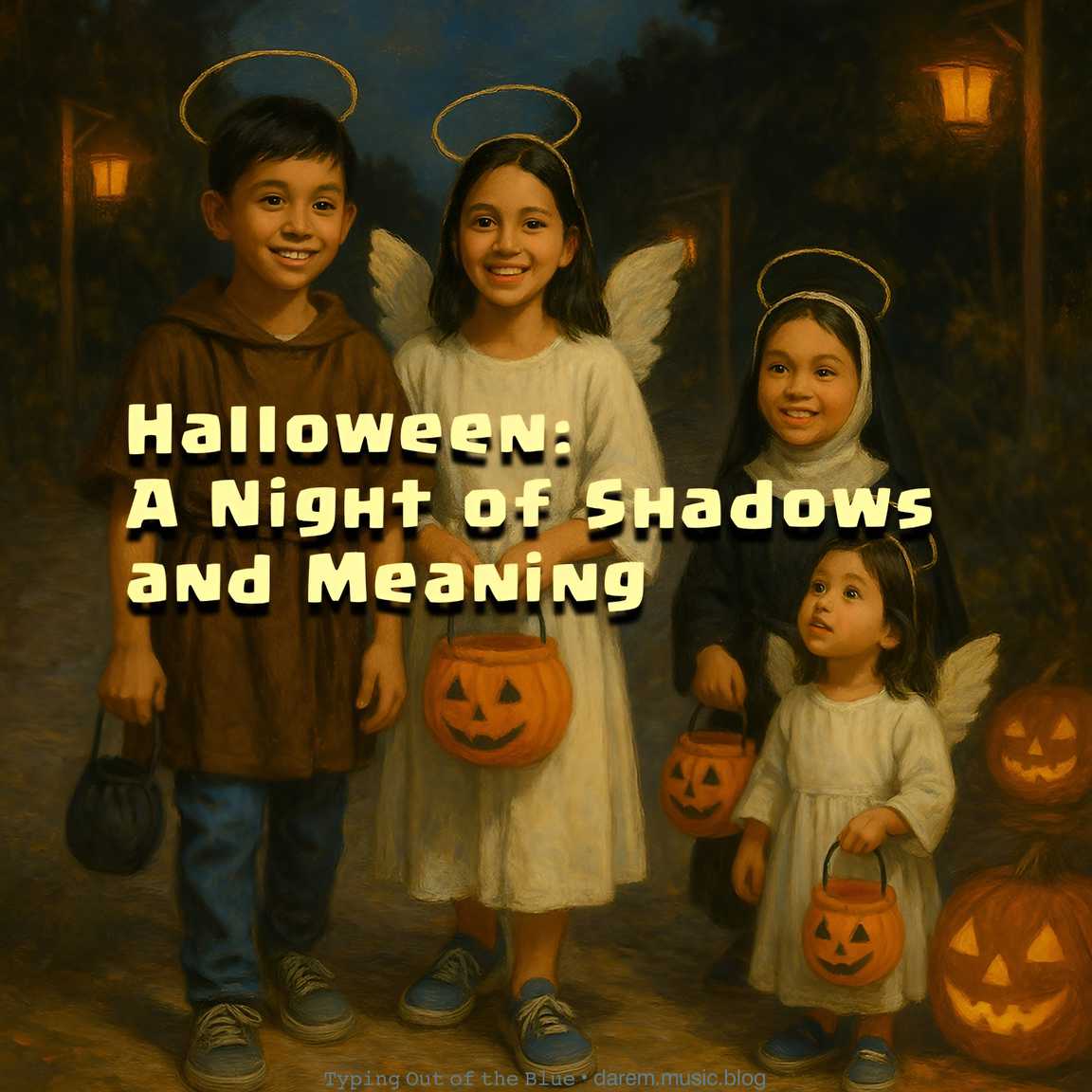
October 31. Streets glow with pumpkins, masks, and flashes of light. Kids laugh, some knock on doors, and others just watch from their windows. In the Philippines, trick or treat isn’t really a big tradition, though malls and a few villages have started doing it in recent years. For most families, it’s still about quiet evenings, candles, and preparing to visit cemeteries the next day.
But where did Halloween come from? Long before candies and costumes, there was Samhain—an ancient Celtic festival that began around 500 BC in Ireland, Scotland, and Wales, long before Christ was born. It marked the end of the harvest and the start of winter, the “dark half of the year.” The Celts believed that on this night, the boundary between the living and the dead grew thin. Spirits could wander, so people lit bonfires and wore masks made of animal skins to protect themselves or blend in with the spirits.
When the Romans conquered Celtic lands around the 1st century AD, they blended Samhain with their own autumn feasts—Feralia, a day to honor the dead, and Pomona, a festival for the goddess of fruit. Later, when Christianity spread through Europe between the 4th and 7th centuries AD, the Church reframed the old customs into something sacred. The night became All Hallow’s Eve, the vigil of All Saints’ Day, turning fear of spirits into prayer for the departed. Over time, All Hallow’s Eve shortened to Hallowe’en—and eventually, Halloween.
The idea of “trick or treat” came much later. In medieval Europe, poor people called soulers went door to door asking for soul cakes—small breads offered in exchange for prayers for the dead. In Ireland and Scotland, this turned into guising, where children wore disguises and performed songs or jokes for food or coins. When Irish and Scottish immigrants moved to North America in the 1800s, they brought these traditions with them. By the early 1900s, children began saying “trick or treat!”—and by the 1950s, candy companies helped make it the family-friendly celebration we know today.
In the Philippines, trick or treat came much later through Western influence—TV, malls, and subdivisions copying the American version. Some children now wear costumes and visit stores or neighbors for candy, while others just watch the fun from home. Yet the Filipino way of remembering the dead still carries more reflection than festivity.
The skulls, candles, and tombstones of Halloween were never meant to glorify fear. They remind us that life is brief, but the soul continues beyond death. For Catholics, the night can still hold meaning—not as a celebration of darkness, but as a moment of reflection and light.
We don’t have to reject the fun. Dressing up, giving sweets, or joining a Halloween event is fine when done in good spirit. If we choose to wear costumes, we can dress as saints, angels, or symbols of goodness and courage—reminders that holiness can be joyful too. Maybe light a candle for someone who has passed. Whisper a short prayer before sleeping. Teach children that real bravery isn’t about scaring others—it’s about facing fear with faith.
Halloween isn’t about running from death; it’s about remembering that Christ already conquered it. So when October 31 arrives, enjoy the laughter, the costumes, and the candy—but pause for a moment. Let the glow of a candle remind you that darkness never wins, and that every shadow points to the light beyond it.
⌨ ᴛʸᵖⁱⁿᵍ ᴏᵘᵗ ᵒᶠ ᵗʰᵉ ʙˡᵘᵉ ᵈᵃʳᵉᵐ ᵐᵘˢⁱᶜ ᵇˡᵒᵍ
