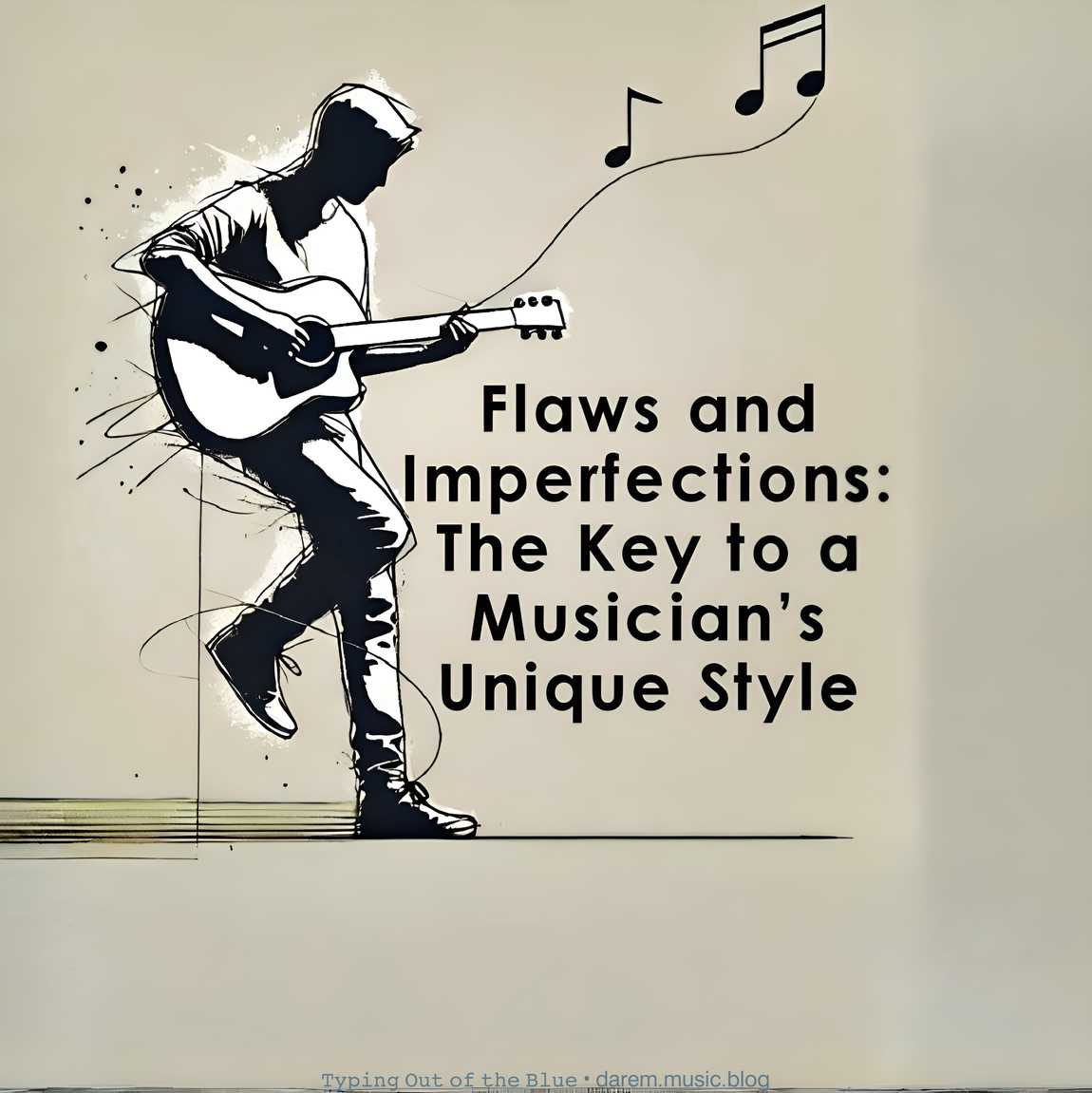
Every musician starts somewhere, and for many, that means imitating their idols. It’s natural to want to play like the greats—copying their techniques, tone, and phrasing. But here’s something many don’t realize early on: true style doesn’t come from perfecting someone else’s—it comes from embracing what makes you different.
Flaws, in this case, don’t mean mistakes in a negative sense. They’re the little things that make your playing unique—your timing, your touch, the way you naturally phrase notes, or even how you approach a melody. If Jimi Hendrix had stuck to traditional guitar techniques, would his sound have been as iconic? If Thelonious Monk had played the piano with perfect precision instead of his offbeat, angular style, would he have stood out? Probably not.
Not everyone can play like their idols, and that’s okay. Some things just don’t come naturally, no matter how much time you spend trying. Instead of forcing yourself to master something that isn’t your strength, why not focus on what you can do? A guitarist with one hand won’t play the same way as someone with two—but that limitation can create a completely unique sound. Do you think a two-handed guitarist could ever sound exactly like him? Probably not.
Aspiring musicians often think mastery means sounding exactly like their idols. But the moment you stop chasing perfection and start playing in a way that feels natural to you, something shifts. Music isn’t about flawless technique—it’s about expression. Those little quirks, those imperfections? They aren’t flaws. They’re what make your music yours.
And as the music plays on, a sense of freedom settles in—a Classical Haze, where tradition and individuality blend, creating something uniquely yours.

Listen on Apple Music, Apple Music Classical, and YouTube Music
⌨ ᴛʸᵖⁱⁿᵍ ᴏᵘᵗ ᵒᶠ ᵗʰᵉ ʙˡᵘᵉ ᵈᵃʳᵉᵐ ᵐᵘˢⁱᶜ ᵇˡᵒᵍ