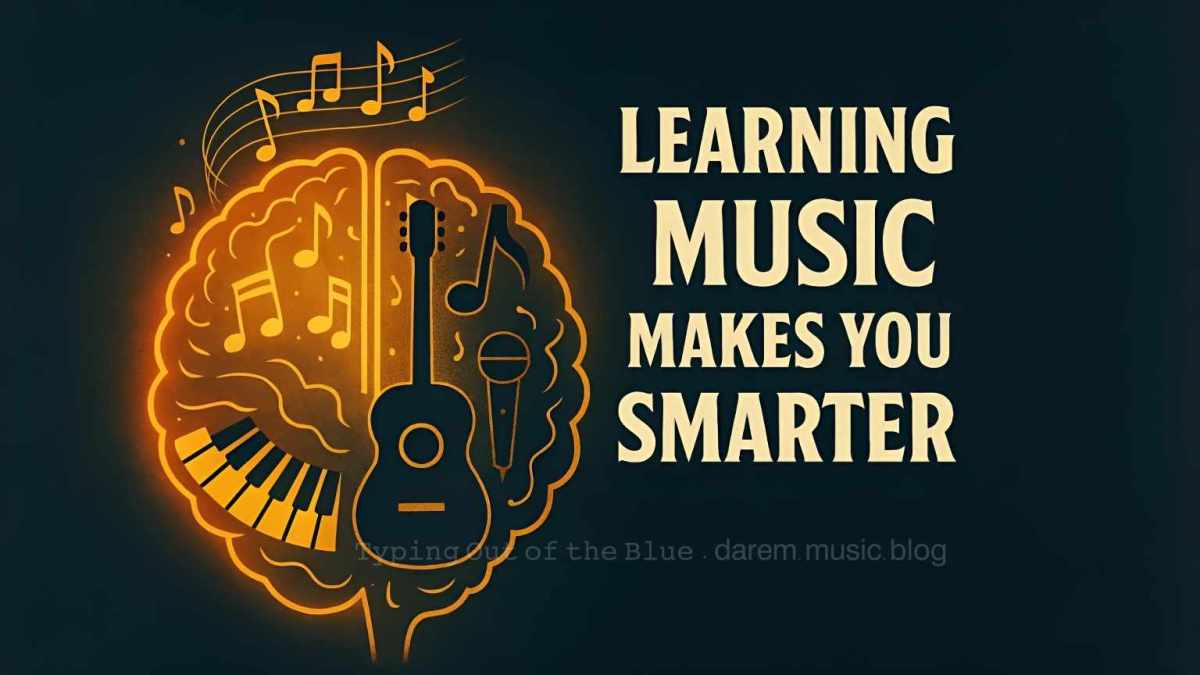
We all know music feels good. It helps you chill, focus, or release emotions. But here’s something most people don’t realize: actually learning music rewires your brain. Not just listening—learning.
🧠 Music Literally Changes Your Brain
When you learn an instrument—or train your voice—your brain does everything at once: listening, moving, focusing, timing, feeling. That kind of multitasking builds real brain power.
Studies show that musicians have more gray matter in areas that control sound, movement, memory, focus, and timing. The more you train, the more your brain grows.
🔗 Better Brain Connections
Learning music also strengthens how your left and right brain communicate. That means:
- Faster thinking
- Smarter decision-making
- More emotional control
- Creative ideas come easier
You’re not just using more of your brain—you’re using it smarter.
⏳ Start Early, Win Big
Kids who start music between ages 5 to 10 see the strongest effects. That’s when the brain is still wiring itself, so music becomes part of the build. Even if they stop later, the changes stick.
🎵 What About Adults?
It’s not too late. Adults still get brain boosts from learning music—better memory, focus, and emotional balance. Music training also helps slow down brain aging.
But yes, starting young creates deeper, long-term change. Still, the brain will thank you either way.
💡 It’s Not Just About IQ
Music also improves:
- Language and reading
- Focus and patience
- Empathy and discipline
- Teamwork and self-expression
So it’s not just about being smart. It’s about building a brain that works better—in school and in life.
🎤 Final Note
Music isn’t just a hobby. It’s brain training in disguise. Whether you’re playing piano, singing, or just practicing a few minutes a day—you’re making your brain stronger on purpose.
𝚃𝚢𝚙𝚒𝚗𝚐 𝙾𝚞𝚝 𝚘𝚏 𝚝𝚑𝚎 𝙱𝚕𝚞𝚎 • 𝖽𝖺𝗋𝖾𝗆.𝗆𝗎𝗌𝗂𝖼.𝖻𝗅𝗈𝗀