There’s a small story from the early 600s in what is now eastern France about Columbanus, an abbot known for his firm and steady way of leading. This moment comes from one of the early biographies written by monks who recorded his life, and it shows exactly how he thought.
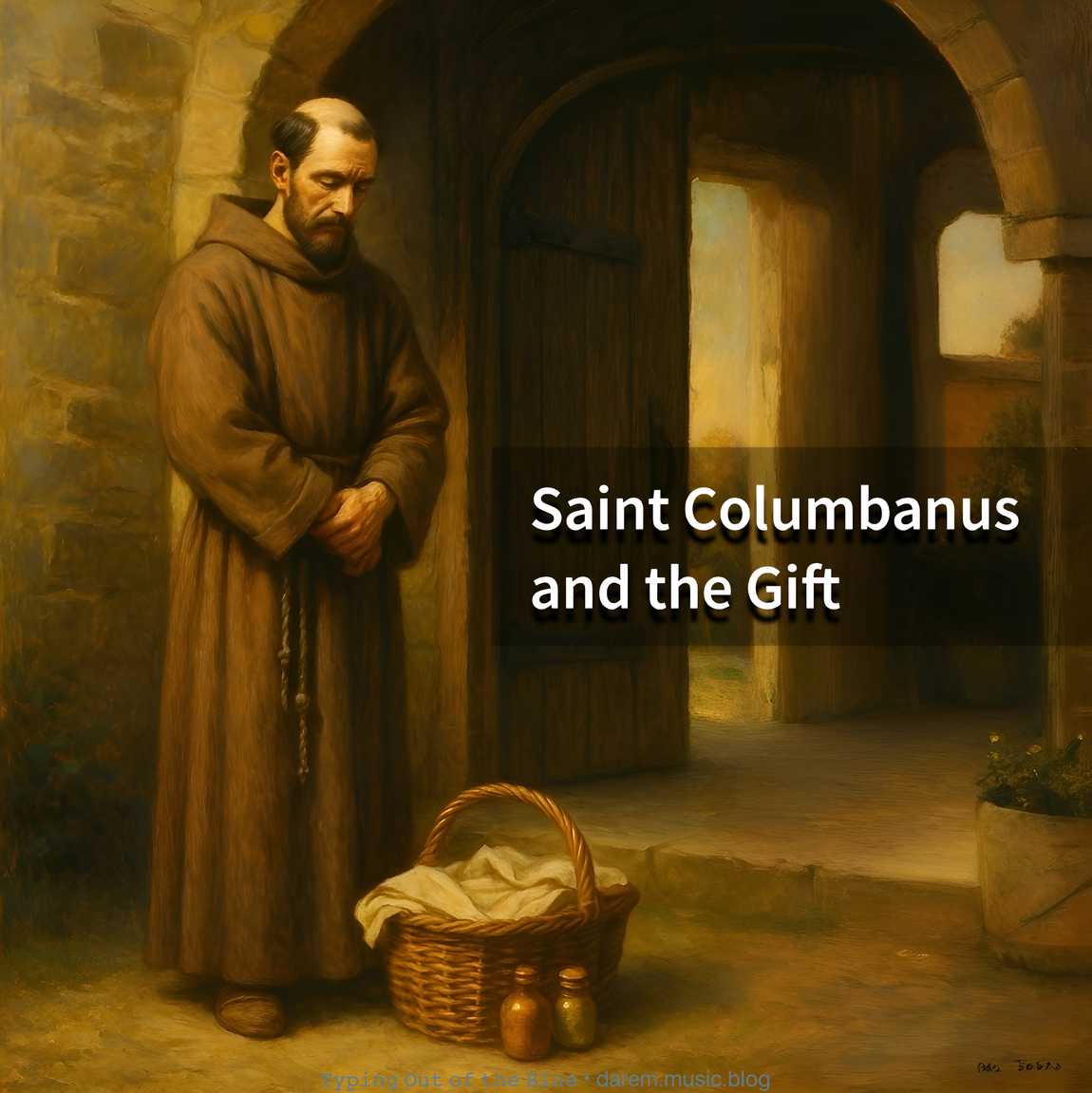
A noblewoman once sent him a basket filled with luxury items. Fine cloth. Expensive oil. A piece of gold. In that time, gifts like this were normal. Everyone accepted them. Leaders, monks, advisers. A gift meant you were respected. But it also meant the giver now had a quiet influence on you.
Father Columbanus didn’t like that part.
When the basket arrived, he didn’t even touch it. He asked who sent it, listened quietly, and then said something that surprised everyone:
“If a gift changes the truth, then it is not a gift. It is a chain.”
Father Columbanus told the monks to give everything inside the basket to the poor families living near the forest. No drama. No anger. Just a clean decision.
Later, he sent a message back to the noblewoman:
“A gift should make the giver lighter, not heavier.”
Some people give because they want connection. Others give because they want control. Father Columbanus knew the difference, and he protected his freedom to speak honestly by staying away from gifts that carried hidden weight.
It was clarity, and it kept him free to lead without fear or pressure.
In time, Father Columbanus would be remembered as Saint Columbanus—honored for a life that stayed clear, steady, and free.
⌨ ᴛʸᵖⁱⁿᵍ ᴏᵘᵗ ᵒᶠ ᵗʰᵉ ʙˡᵘᵉ ᵈᵃʳᵉᵐ ᵐᵘˢⁱᶜ ᵇˡᵒᵍ

Listen on Apple Music, Apple Music Classical, and YouTube Music