Music changes lives—but how we experience it makes the difference. We can play, sing, or listen. Each has beauty, but when it comes to real inclusion and personal growth, instrumental music stands out. It’s not just sound—it’s connection, focus, and freedom.
🎸 Playing: When sound becomes action
Learning to play an instrument gives students control. That’s powerful—especially for those with intellectual or developmental disabilities.
• A drum hit, a guitar strum, or a single piano note lets them see and feel the result of their effort.
• It builds coordination, patience, and confidence.
• Mistakes don’t break the moment—they just become part of the rhythm.
Instrumental music gives space for success at every level. You don’t need perfect pitch—the rare ability to name or play notes by ear alone—just the will to play. Everyone can join, and everyone contributes something real.
🎤 The limits of singing
Singing has its place, but it’s not always open for all.
• Some students struggle with speech, tone, or breath control—it can make singing stressful instead of joyful.
• Vocal work depends heavily on physical condition—even small health issues can silence participation.
• In group settings, louder or more confident singers often dominate, leaving others unheard.
Unlike instruments, the voice can’t be redesigned or adapted. A broken voice means silence. A broken drumstick just needs tape.
🎧 The quiet comfort—and its wall
Listening brings peace. It soothes emotions and fills silence with warmth. But it’s still passive.
• Listeners can feel connected for a moment, but they stay on the outside looking in.
• There’s no movement, no teamwork, no personal creation—just reaction.
• Once the song stops, the effect fades fast.
That’s why therapists often move from listening to playing—because real healing begins when the listener becomes part of the sound.
🌍 Why instruments win
Instrumental music doesn’t depend on a “good voice,” perfect hearing, or clear speech.
It’s flexible, visual, physical, and emotional all at once.
It teaches timing, patience, and unity—values that reach beyond music itself.
When a group of students pick up instruments, no one is left out. The quiet one can keep rhythm. The shy one can guide the melody. The group learns harmony by doing, not just by hearing.
🎶 The truth
Music that only a few can join isn’t real music—it’s performance.
But when every hand has a role, when sound becomes shared creation—that’s music with a soul.
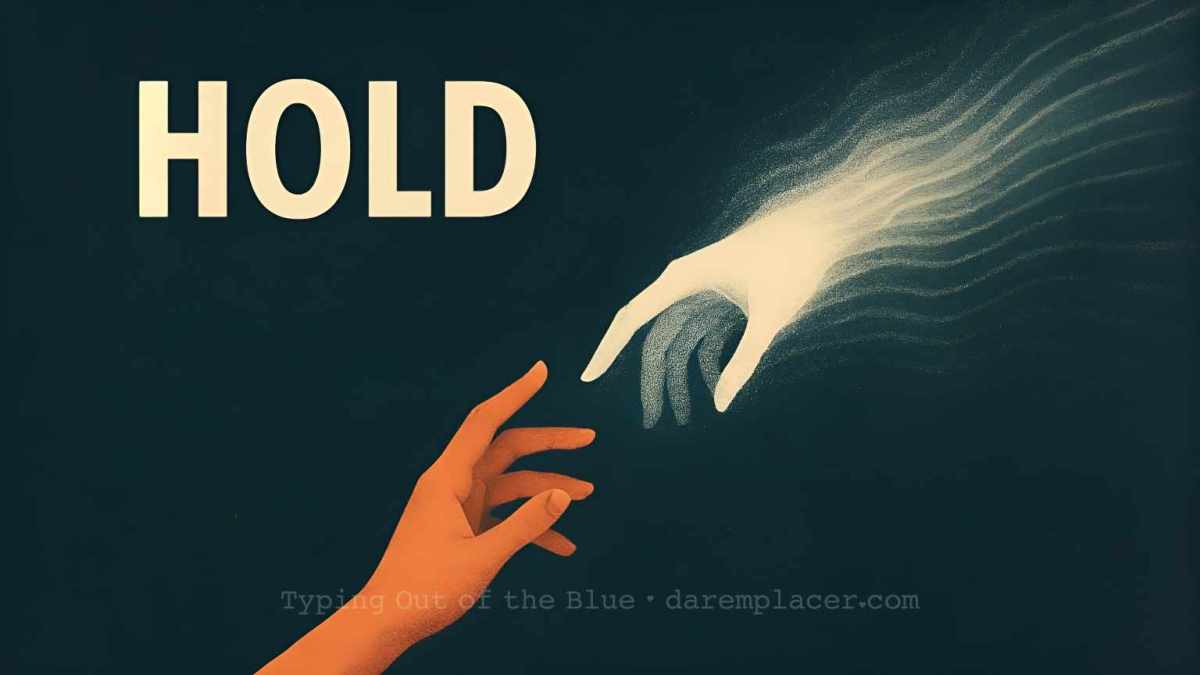
Real music begins when you hold the sound in your hands.
⌨ ᴛʸᵖⁱⁿᵍ ᴏᵘᵗ ᵒᶠ ᵗʰᵉ ʙˡᵘᵉ ᵈᵃʳᵉᵐ ᵐᵘˢⁱᶜ ᵇˡᵒᵍ