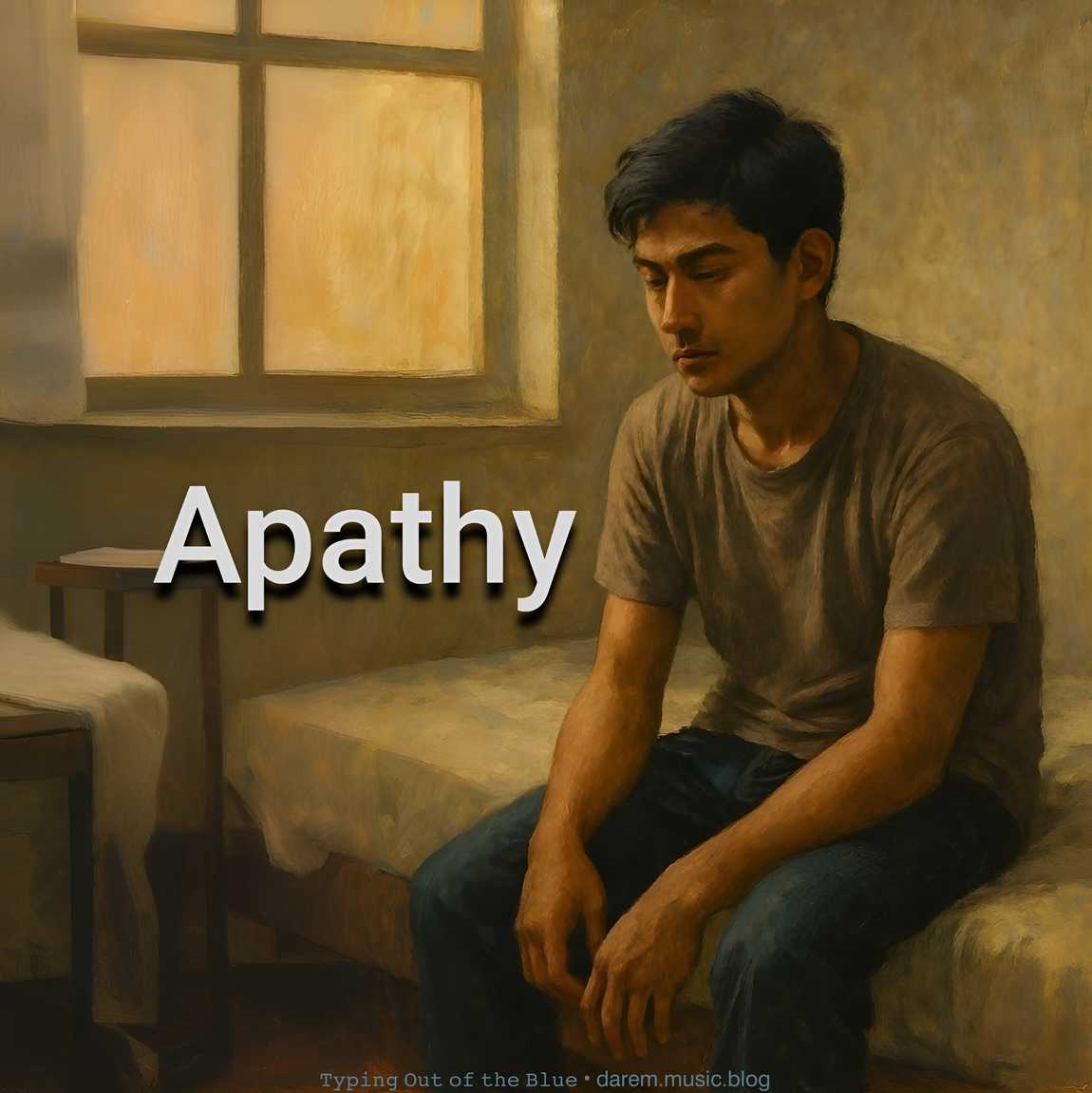
Life has moments when everything feels flat. You move through the day, do what you need to do, and nothing inside reacts. Not sadness. Not anger. Just a quiet blankness that stays longer than it should.
This feeling has a name. Apathy.
Apathy shows up when the heart is tired. When you’ve carried too much for too long. When stress keeps building and you’ve run out of space to hold it. Sometimes you act “okay” for so long that your mind protects you by dimming everything at once.
People often mistake apathy for not caring, but it’s usually the opposite. It happens because you cared deeply, used up your energy, and never had the chance to refill. The system goes on low power so you don’t break.
You notice it in small ways: things you used to enjoy feel distant, conversations lose their color, and even simple tasks feel heavier than usual. It’s not laziness. It’s your body trying to recover by slowing everything down.
Apathy is also a signal that you need breathing room. You might need real rest, a gentler rhythm, or a quiet moment to hear yourself again. Sometimes one solid night of sleep is enough to remind you that something inside can still wake up.
You don’t need big actions to push through apathy. Big steps are impossible when you’re drained. But tiny movements—the kind that cost almost nothing—can help you lift the fog a little.
You don’t do them out of motivation.
You do them because they’re small enough to manage.
Things like:
• drinking water
• opening a window
• stretching for a few seconds
• standing up and sitting down
• fixing one small thing on your table
They don’t solve everything, but they gently switch your mind from “off” to “slightly on.” Apathy stops big goals, but it doesn’t stop the smallest spark.
Apathy doesn’t erase your worth. It doesn’t mean you’ve failed. Everyone meets this phase at some point—during stress, after loss, or when life pushes harder than usual.
And on some days, apathy presses deeper than tiredness. You move, but the world feels a few steps away. You wait for something to reach you, but nothing does. You sit in your own space and feel the weight of a moment that only you can sense—a heaviness that lingers, the same way it does In the Empty Room.
Listen on Apple Music, Apple Music Classical, and YouTube Music
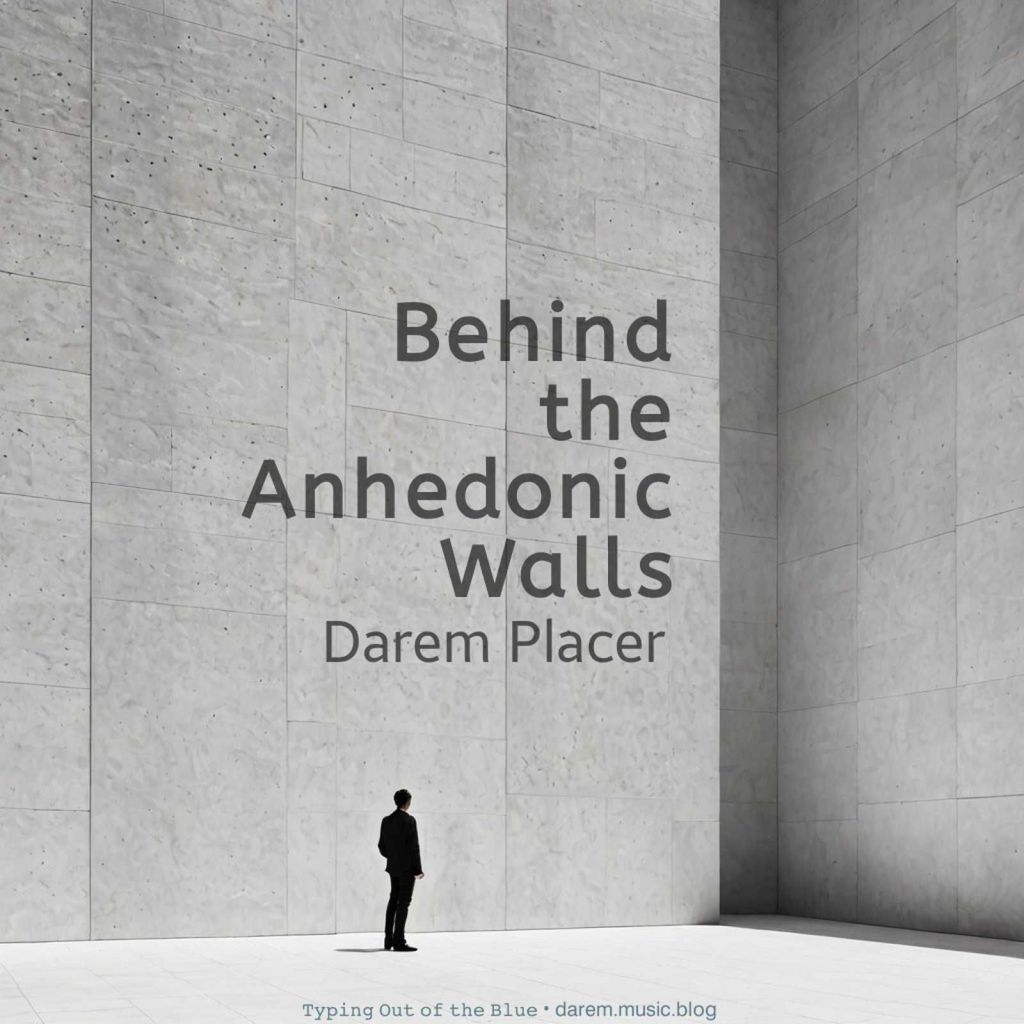
Behind the Anhedonic Walls includes In the Empty Room
ᴛʸᵖⁱⁿᵍ ᴏᵘᵗ ᵒᶠ ᵗʰᵉ ʙˡᵘᵉ ᵈᵃʳᵉᵐ ᵐᵘˢⁱᶜ ᵇˡᵒᵍ