When Saint Swithin Turned His Home into a Haven

One open door changed everything in a dangerous time.

In late 16th-century England, Swithin Wells lived at a time when being openly Catholic could cost you everything. He wasn’t a priest. He wasn’t a monk. He was a regular man with a steady faith, and that made his courage stand out even more.

He opened his own home for secret Masses because he knew people needed a place to pray safely. Every time he did that, he risked his freedom. Still, he kept going. Faith, for him, wasn’t a quiet idea—it was something you lived, even when the world pushed back.

One day, the authorities caught a group attending Mass in his house. Swithin wasn’t even home yet, but when he heard what happened, he didn’t hide. He walked straight into the situation and defended the priest and the people present. That bold step ended with his arrest.

He was sentenced to death by hanging for giving Catholics a place to worship. On the day he was led to the gallows, he stayed calm and even joked about it. He told the executioner, “Help me up the ladder and for coming down I can manage on my own.” It showed how fearless he was, carrying peace even in a moment meant to break him.

He died in 1591, steady to the end, loyal to what he believed. Saint Swithin Wells is remembered as a layman who chose conviction over comfort. His story shows how faith becomes powerful when lived with courage.

⌨ ᴛʸᵖⁱⁿᵍ ᴏᵘᵗ ᵒᶠ ᵗʰᵉ ʙˡᵘᵉ ᵈᵃʳᵉᵐ ᵐᵘˢⁱᶜ ᵇˡᵒᵍ

Merely Christmas • Darem Placer
Out this season on Bandcamp.

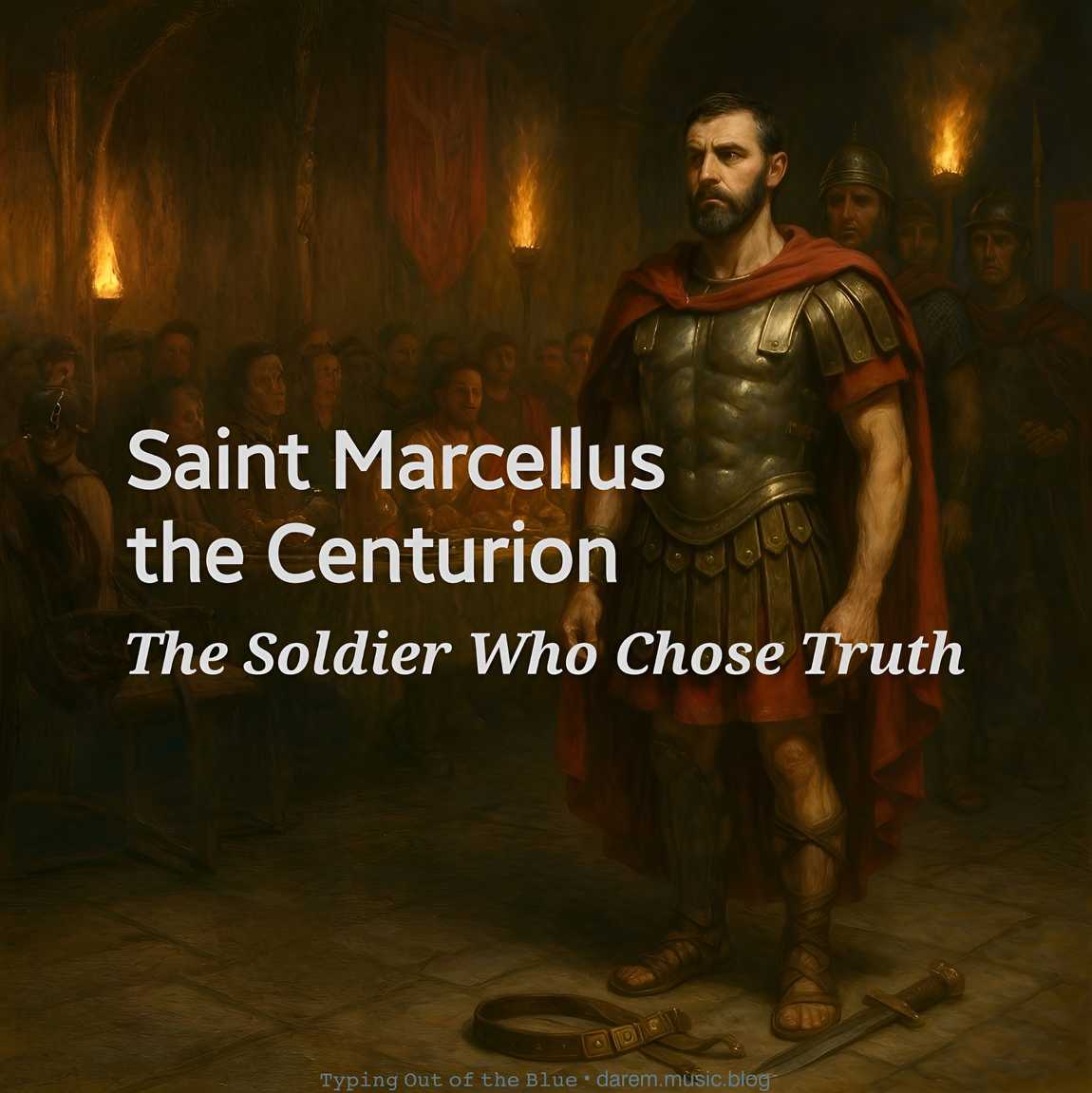
The Soldier Who Chose Truth—Saint Marcellus the Centurion

In a world that worshiped power, one soldier laid down his rank to serve truth that no empire could command.

In the late third century, the Roman Empire ruled most of the world—and expected everyone to worship its gods. Every soldier had to honor the emperor as divine. Refusal meant death.

Marcellus was a centurion—a commander trusted by his men. He wore his armor with pride and obeyed every order. Until one day, at a feast for Emperor Maximian, everything changed.

The hall was filled with light, noise, and celebration. Torches burned, cups were raised, and offerings were made to the gods.

Then Marcellus stepped forward. He unbuckled his command belt, let it drop to the floor, and said,

“I serve Jesus Christ, the eternal King. I cannot serve the gods of men.”

The noise stopped. Soldiers stared. Within minutes, he was arrested and brought before Governor Aurelius Agricolanus in Tangier.

Did you throw away your weapons?” the judge asked.

“I did,” Marcellus replied. “A Christian cannot serve two masters.”

He was sentenced to death and executed in Tangier in 298 AD.

Saint Marcellus died without anger, without fear—just truth. And through that single act, his name outlasted the empire that condemned him.

⌨ ᴛʸᵖⁱⁿᵍ ᴏᵘᵗ ᵒᶠ ᵗʰᵉ ʙˡᵘᵉ ᵈᵃʳᵉᵐ ᵐᵘˢⁱᶜ ᵇˡᵒᵍ

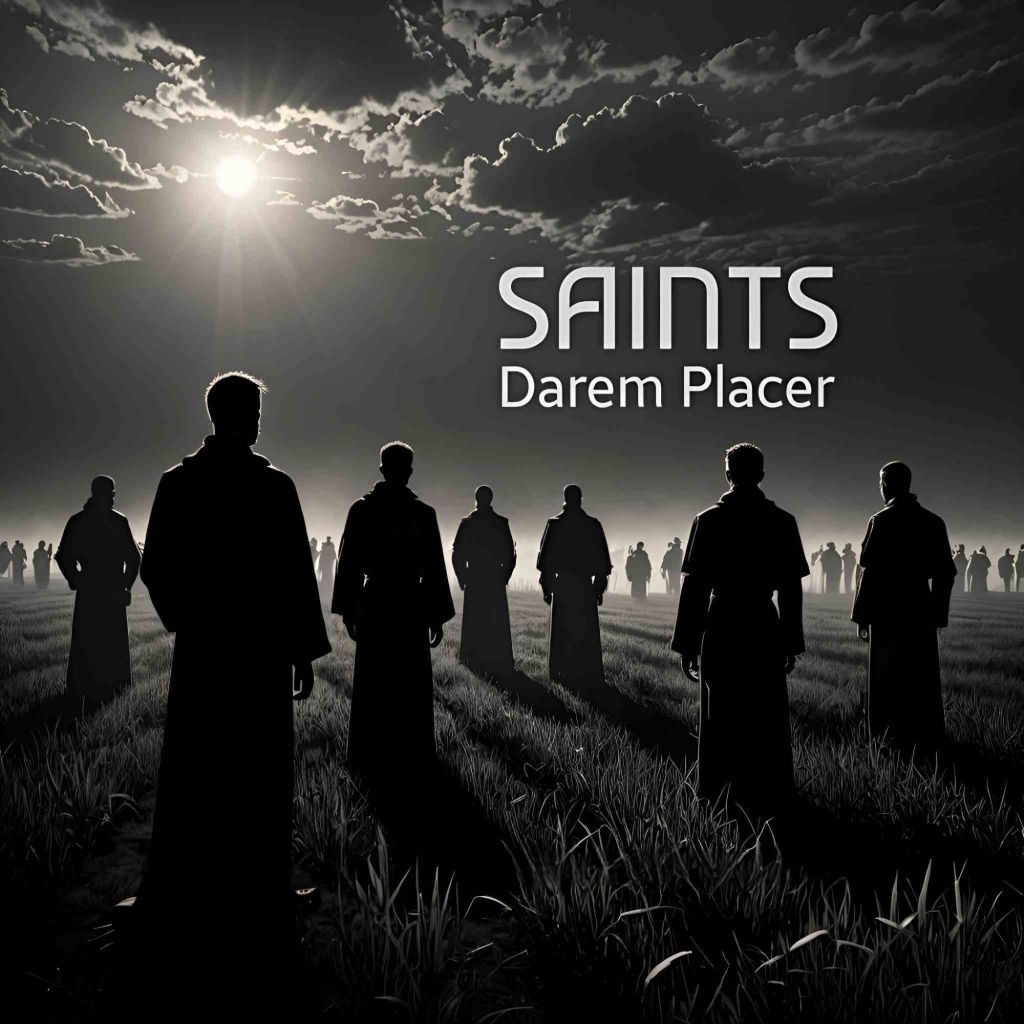
Traces of courage, silence, and sacrifice—this is Saints.

Listen on Apple Music, Apple Music Classical, and YouTube Music