Bringing Stroke Advocacy and Awareness Together to Drive Action on Stroke

A few seconds can save a life. Learn the signs, act fast, and keep your body calm before silence takes over.

World Stroke Day • October 29

Stroke changes everything. Not just the body, but the whole story of a person. Some survive but lose their speech. Some walk again, slowly, learning balance like it’s their first day on earth. It matters because most strokes didn’t have to happen. With enough care, most could’ve been stopped before they began.

What to Watch Out For

• F – Face drooping. Ask the person to smile. One side may sag.

• A – Arm weakness. Ask them to lift both arms. One may drift down.

• S – Speech trouble. Words sound strange or slurred.

• T – Time to call for help. Don’t wait. Every second matters.

Even if the signs fade, get checked. That “mini-stroke” might be the warning before a full one.

How to Prevent It

Start small.

• Don’t put too much salt. Eat food that looks normal, not packed or shiny.

• Walk a bit every day. Doesn’t have to be far.

• Keep your pressure okay. Watch your sugar sometimes.

• Drop the cigarette—it never loved you back.

• Sleep right. Stress less. Drink water.

Stroke isn’t only a doctor’s topic. It’s a life topic. The more people know the signs, the more lives walk away from it.

This day is a reminder that knowledge isn’t enough. We move, we speak, we act—together. That’s how stroke loses power.

⌨ ᴛʸᵖⁱⁿᵍ ᴏᵘᵗ ᵒᶠ ᵗʰᵉ ʙˡᵘᵉ ᵈᵃʳᵉᵐ ᵐᵘˢⁱᶜ ᵇˡᵒᵍ
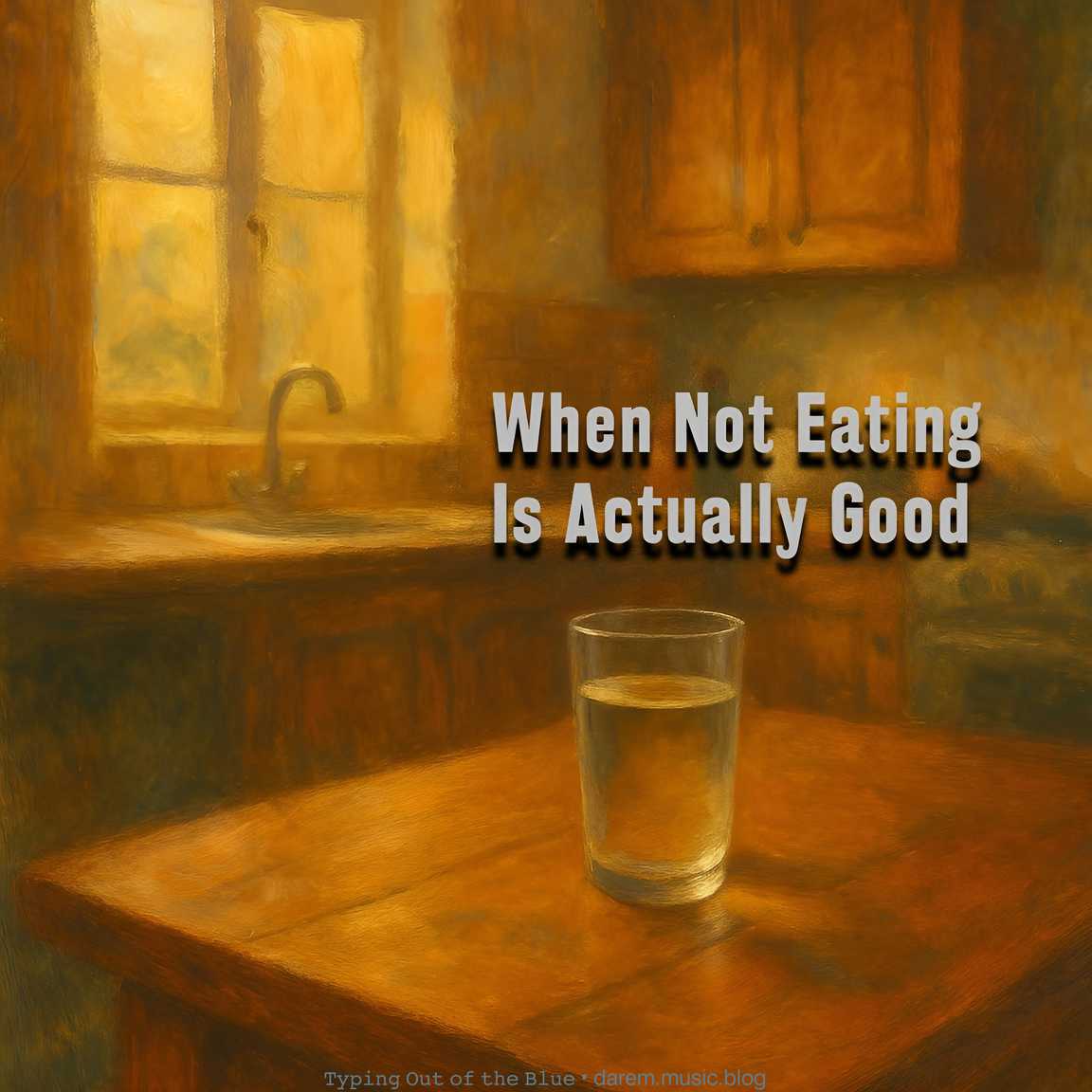
When Not Eating Is Actually Good

Not eating isn’t always bad. Sometimes your body just needs a pause, not another plate. Learn how fasting really works.

We all grew up thinking we had to eat three times a day—breakfast, lunch, dinner. Miss one and people said you’d get weak. But that rule didn’t come from nature. Someone just made it up, and everyone went with it. Nobody even asked why.

Back in the 1700s, people simply ate when they got hungry—plain and real. Farmers ate after long days—hunters after a good catch. No clocks yet. No rules. Then came the 1800s—factories took over, and the bell started running people’s lives more than hunger did.

By the 1900s, cereal brands joined the game. They said breakfast was “the most important meal of the day.” Catchy line. Sold boxes. It wasn’t really about health—just a smart business move.

These days, science says your body doesn’t actually care much about time. When you give it space—what people now call intermittent fasting—your system fixes itself. Clears leftovers, steadies sugar, makes room to breathe again. It’s not starving. It’s letting your body catch up.

Still, fasting’s not for everyone. If your stomach’s weak or you’ve got ulcers or low sugar, don’t push it. Hunger pain isn’t strength—it’s your body saying, “slow down a bit.”

Try it this way:

• Not hungry? Then skip it. You’re fine.

• Hungry? Eat. Don’t wait too long, or you’ll attack the food like it’s been missing all day.

• Keep water near. Sip when you want.

• Eat real food when you do.

• Rest, too. If you barely slept or your head’s too tired, fasting won’t do you any good.

Skipping a meal once in a while’s okay. Your body could still be working on the food from earlier. You don’t need to chase every rule people made up. Just listen.

⌨ ᴛʸᵖⁱⁿᵍ ᴏᵘᵗ ᵒᶠ ᵗʰᵉ ʙˡᵘᵉ ᵈᵃʳᵉᵐ ᵐᵘˢⁱᶜ ᵇˡᵒᵍ