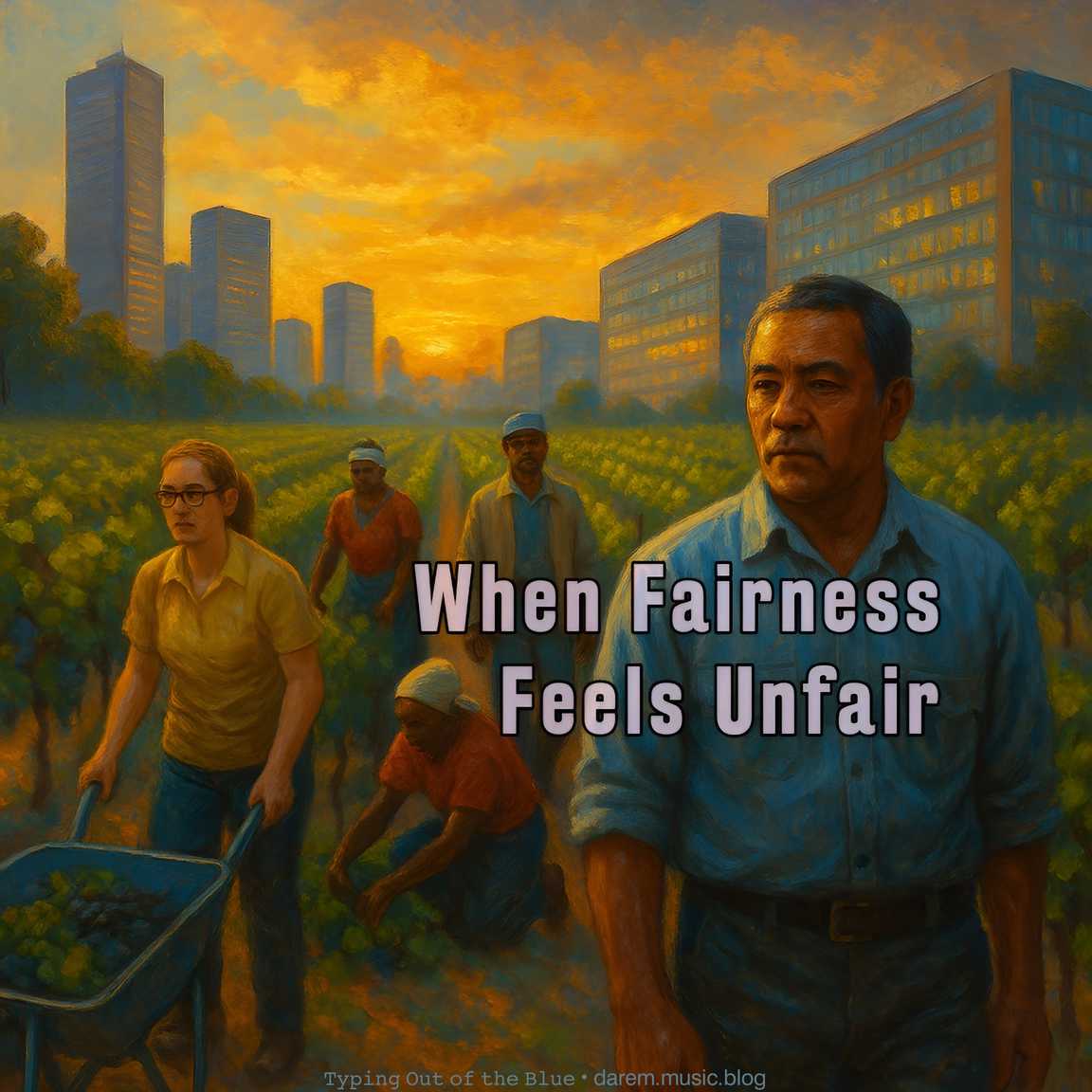
When Fairness Feels Unfair

When fairness starts to feel forced, maybe the problem isn’t justice—it’s who’s defining it.

You ever notice how some people seem to get the same reward even when they do less? In school. At work. In life. You give your whole day, someone else shows up late—and somehow, you both end up equal.

It feels wrong, right? But it’s not new. Jesus once told that exact story—the parable of the workers in the vineyard. The early workers complained, “Unfair! We worked longer.” But the owner said, “Didn’t I pay you what we agreed on?”

It makes you think—maybe God’s fairness isn’t about equal hours, but equal love. Still, when people use that story to excuse unfair systems, they miss the whole point. Because the owner in the parable kept his promise. There was honesty. There was mercy. In real life, some “vineyard owners” break both—they call it fairness, but it’s just control wearing kindness as a mask.

So maybe the lesson isn’t about who deserves more. It’s about keeping your word. And remembering that mercy without truth isn’t grace—it’s just noise.

Sometimes the holiest thing you can do is stay silent—not out of fear, but because you’ve seen how people twist fairness into favor.

⌨ ᴛʸᵖⁱⁿᵍ ᴏᵘᵗ ᵒᶠ ᵗʰᵉ ʙˡᵘᵉ ᵈᵃʳᵉᵐ ᵐᵘˢⁱᶜ ᵇˡᵒᵍ
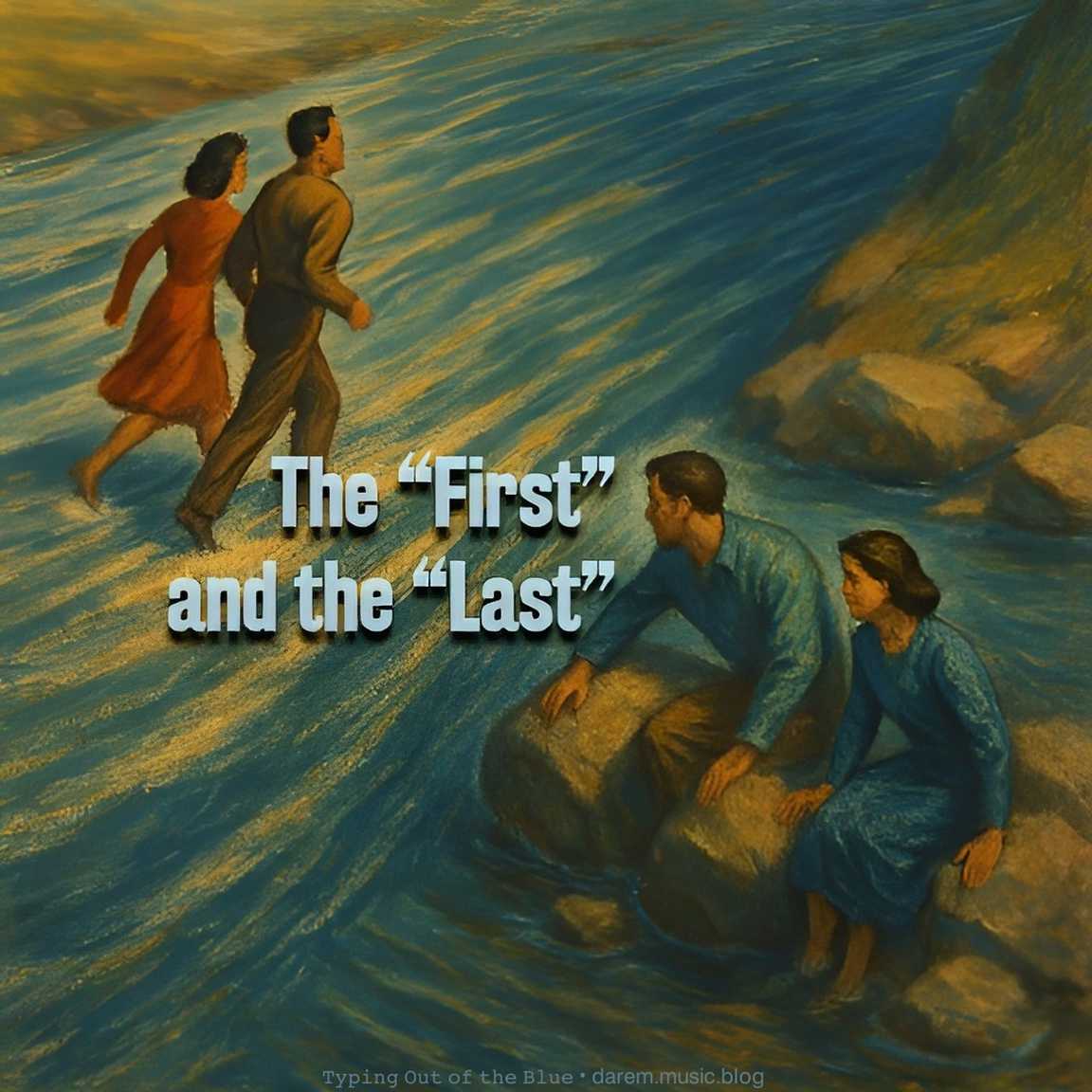
The “First” and the “Last”

Some rise fast and bend the rules. Others stay true and hold on. In time, life shows who really deserves to be first.

Some people always want to be the “first.” They speak loud, move fast, and take the lead in everything. It looks impressive—they set trends, create systems, and define what success means. But as time goes on, power changes the rules. The goal shifts from doing right to just staying ahead. Soon, people start copying them, thinking that pride, shortcuts, and control are the new normal.

Like a strong current, the influence of the “first” pulls everyone along. Many get swept away, even those who once knew what was right.

Then there are those who stay “last.” They’re not slow—they’re holding on. While the crowd drifts with the flow, they cling to what’s fair and true. They don’t want to be “first” if it means becoming false. It’s hard, tiring, and often lonely, but they endure.

And when life hopefully turns things around, the current weakens. People start to see who really stood firm. The “first” lose what they built on pride, and the “last”—the ones who never let go of what’s right—finally rise in quiet strength.

It doesn’t always happen fast, but life has a way of showing who truly deserves to be first. Human ranking doesn’t define worth. Fairness—whether divine or human—doesn’t follow ego or timing.

Maybe that was what Jesus was trying to show all along—not a promise for later, but a mirror for how life should already work.

The last will be first, and the first will be last.” (Matthew 20:16)

Sometimes, walking against the current feels like Running from Tomorrow itself.

Running from Tomorrow • Darem Placer

⌨ ᴛʸᵖⁱⁿᵍ ᴏᵘᵗ ᵒᶠ ᵗʰᵉ ʙˡᵘᵉ ᵈᵃʳᵉᵐ ᵐᵘˢⁱᶜ ᵇˡᵒᵍ
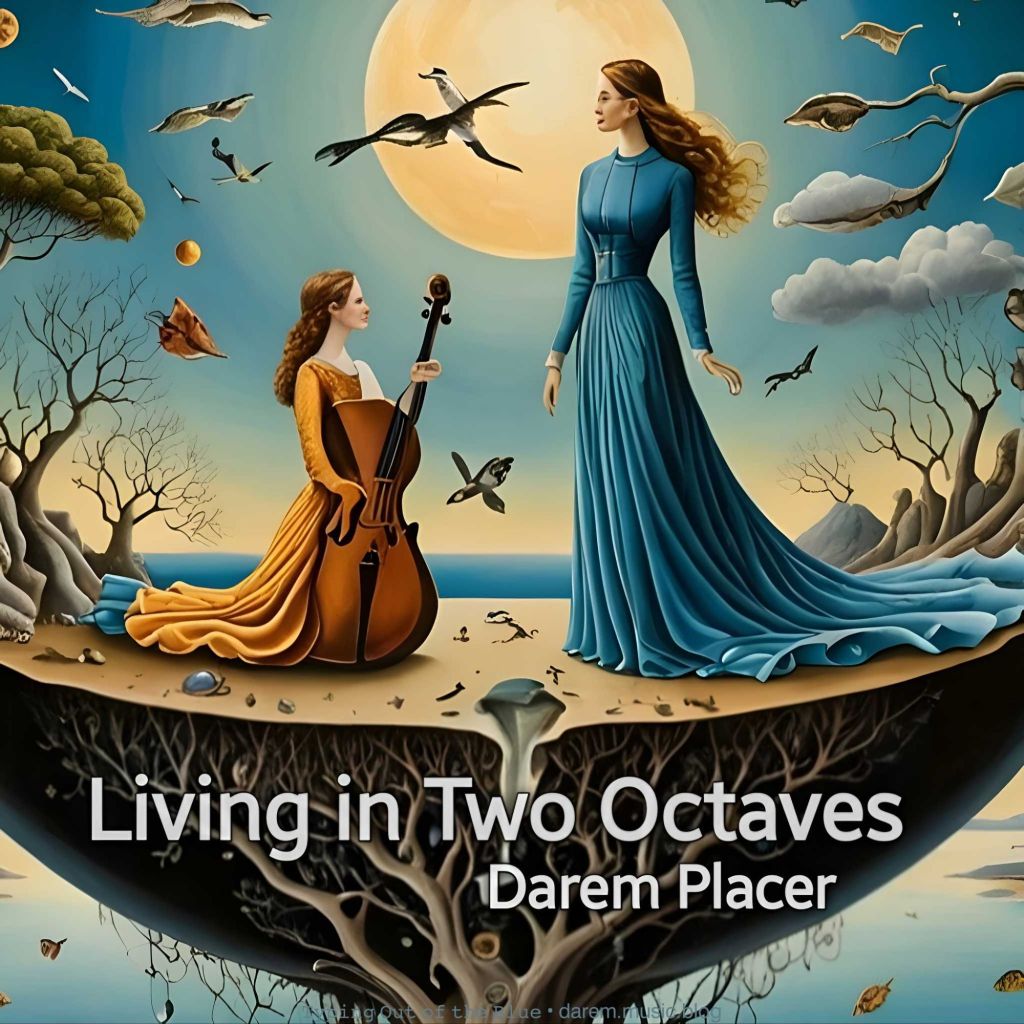
Living in Two Octaves explores the duality of life—shifting between emotional highs and lows, balancing the physical and spiritual, and living in the space between the past and future. It’s all about the contrasts and connections that shape our journey. This album includes Running from Tomorrow.

Listen on Apple Music, Apple Music Classical, and YouTube Music