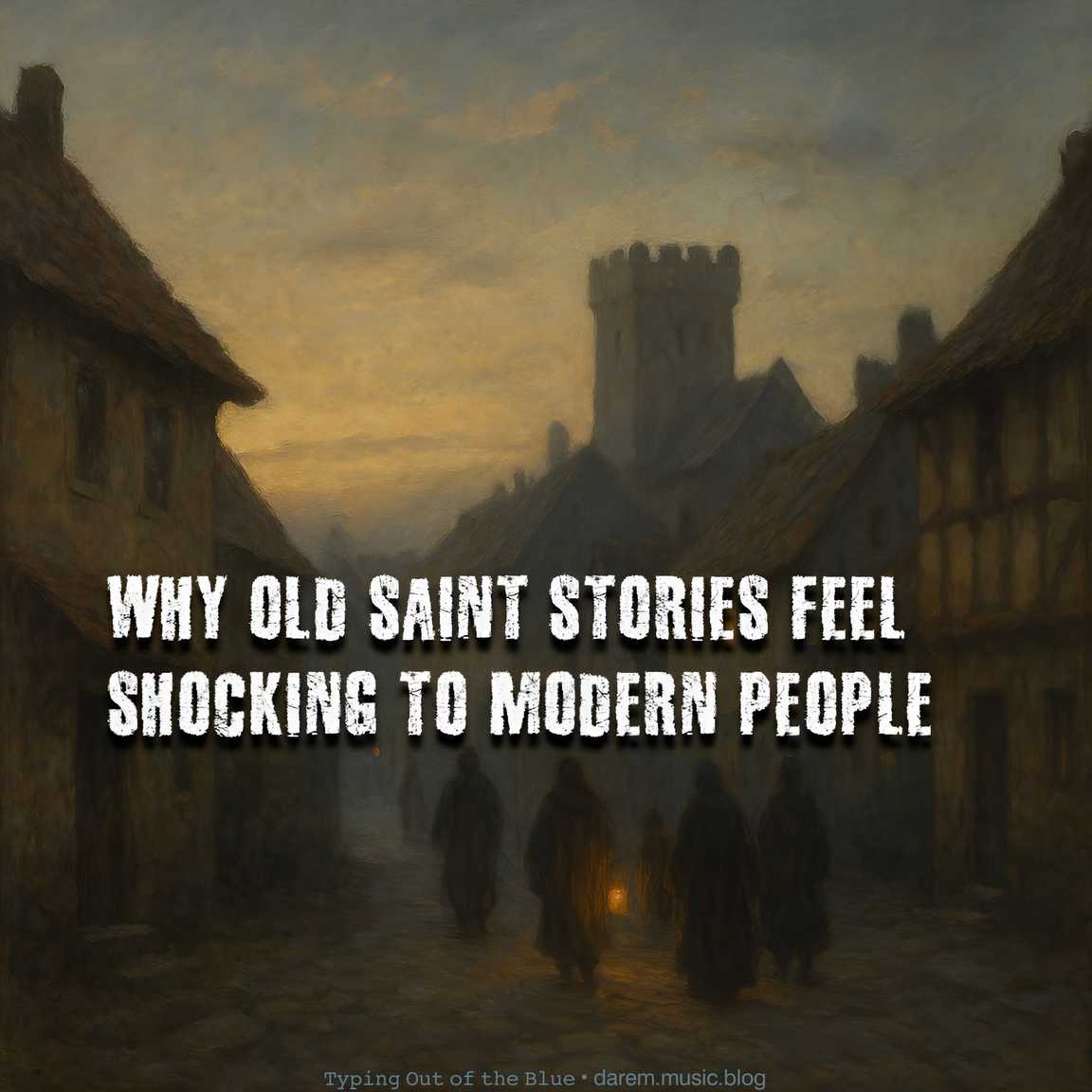
Why Old Saint Stories Feel Shocking to Modern People

Their world was different from ours—tense, fearful, and easily shaken.

Modern readers often open a story about a saint and feel surprised. The punishments seem extreme. The reactions seem excessive. Everything feels too harsh for the small actions being described.

But once you understand the world they lived in, the whole thing starts to make sense.

Long ago, religion wasn’t just a belief you practiced quietly at home. It was the backbone of a kingdom. The faith of the ruler was expected to be the faith of the entire country. That wasn’t about prayer—it was about loyalty.

If someone followed a different belief, rulers didn’t think, “This person has a different spiritual path.”They thought, “This person might follow a different leader.”

And that fear shaped everything.

Kingdoms were fragile. Power was unstable. A change in belief could look like a sign of rebellion. Even a calm, gentle priest visiting a family could appear dangerous to a paranoid ruler who feared losing control.

At the same time, the Church was still growing into itself. Teachings were developing. Rules were still being shaped. Leaders were learning as they went. There were beautiful moments, but also mistakes, conflicts, and scandals. Big institutions never form cleanly—they grow through chaos before they find stability.

Rulers responded to all this with harshness. They created strict laws. They punished quickly. They reacted out of fear more than reason. To them, it wasn’t about attacking faith. It was about protecting the throne.

Ordinary people lived inside that same tension. Religion wasn’t private. It defined identity, family, community, and national loyalty. Changing your religion wasn’t just a personal choice—it had political meaning.

Today, everything looks different. We have freedom of belief. Governments don’t rely on religion for stability. Human rights protect people from the punishments that were once considered normal. The Church itself has matured—more peaceful, more structured, wiser through experience.

So when we read old saint stories now, they feel shocking because we live in a quieter world.

They lived in a world built on fear, power struggles, and survival.

That’s why their courage stands out. Their faith didn’t grow in comfort—it grew in a time when the world was sharp, unstable, and easily threatened.

⌨ ᴛʸᵖⁱⁿᵍ ᴏᵘᵗ ᵒᶠ ᵗʰᵉ ʙˡᵘᵉ ᵈᵃʳᵉᵐ ᵐᵘˢⁱᶜ ᵇˡᵒᵍ
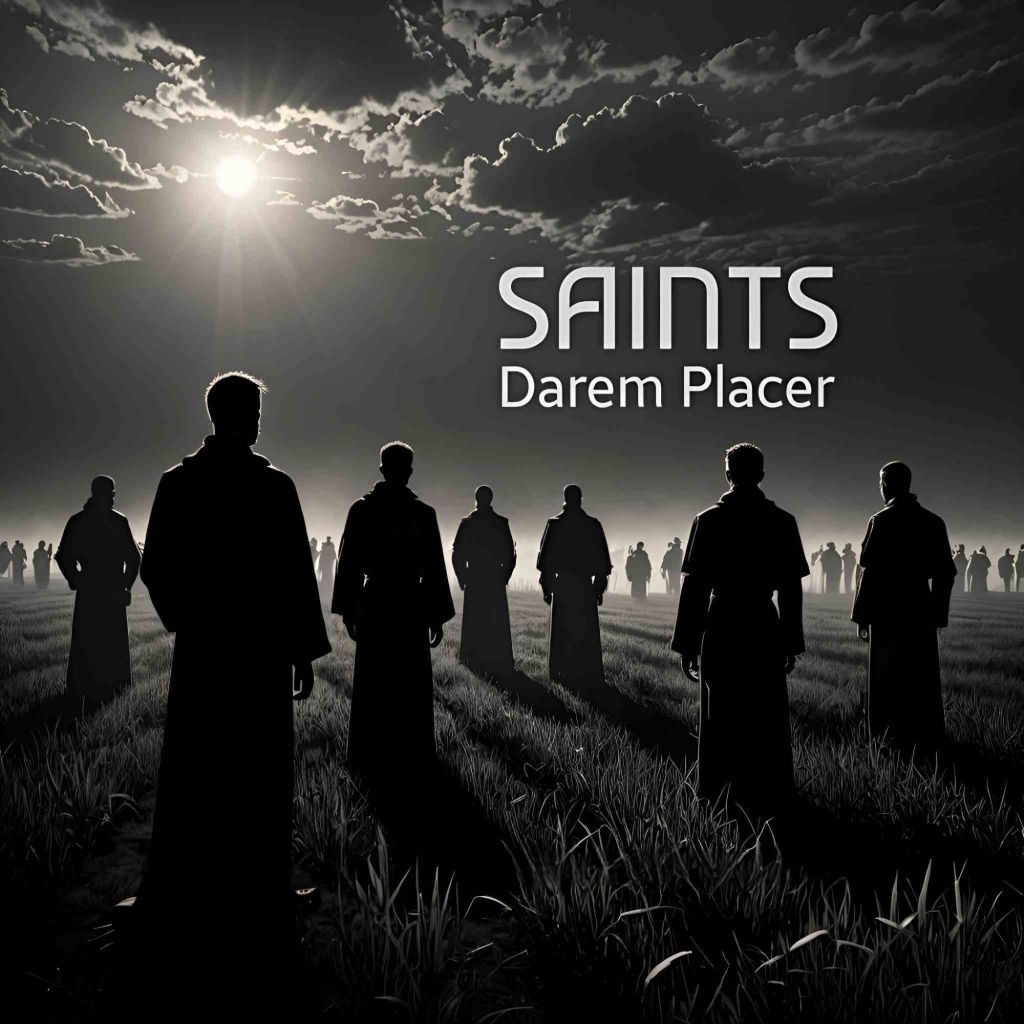
Traces of courage, silence, and sacrifice—this is Saints.

Listen on Apple Music, Apple Music Classical, and YouTube Music
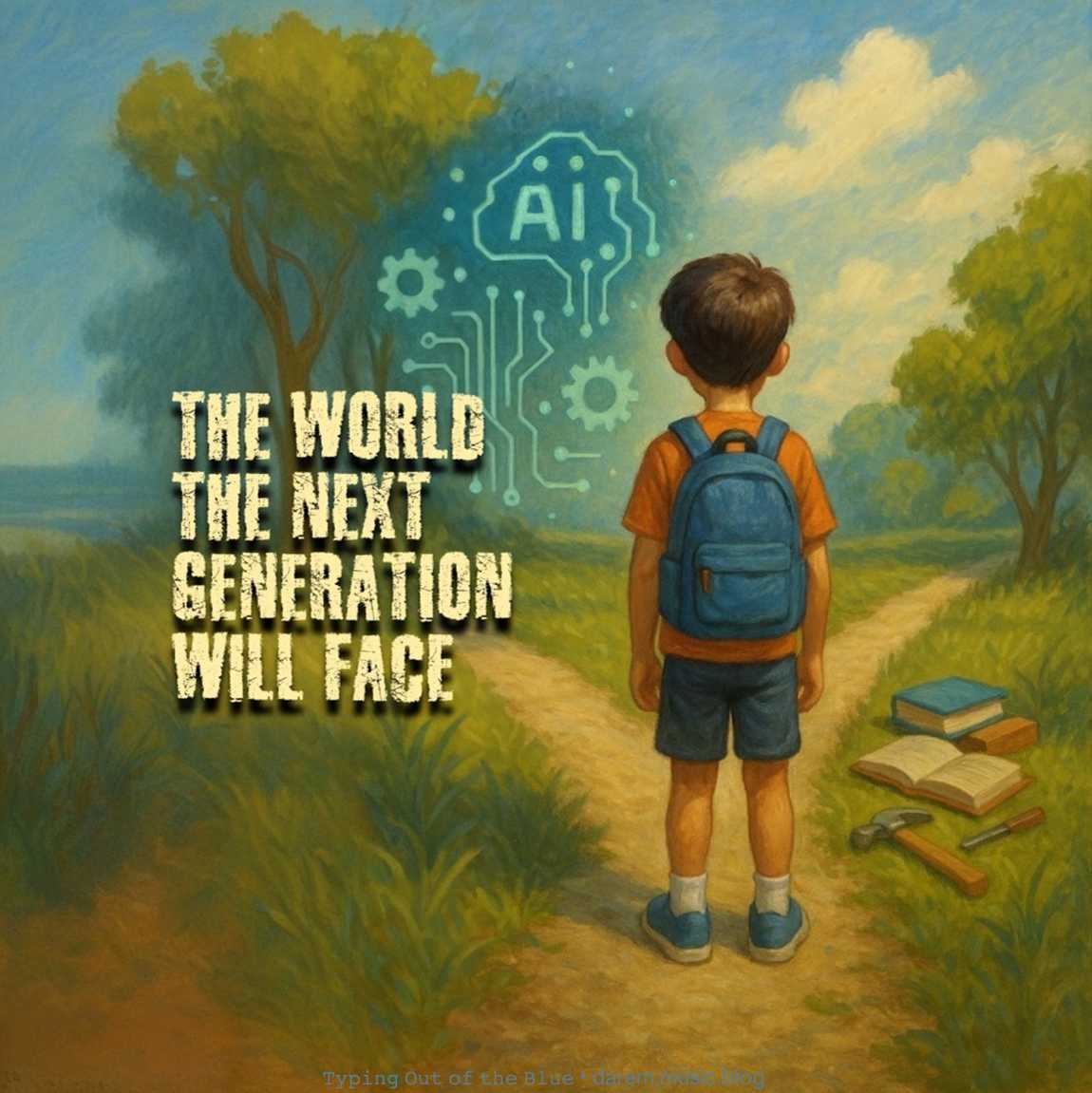
The World the Next Generation Will Face

Technology is changing how work is done, creating new roles and new skills for the next generation.

The world they’ll grow up in won’t look exactly like the one we know now—not because everything will disappear—but because everything is being rearranged.

Based on recent global reports from the World Economic Forum and McKinsey, by 2030, almost one-third of the tasks inside today’s jobs will be reshaped by automation, not erased.

By 2027, nearly half of all workers will need new skills to stay relevant. That’s how fast the shift is moving.

And honestly, schools and traditional systems are still slow. The change feels like a train that already left the station, and many people are still looking for the timetable.

But the point isn’t fear.
The point is clarity.

The future belongs to people who can learn fast, adjust fast, and stay flexible in a world that refuses to slow down.

What Skills Will Matter?

As AI takes over repetitive tasks, human skills rise in value. Not the fancy ones—just the real ones:

• Creativity
• Communication
• Problem-solving
• Adaptability
• Working with AI, not against it

Based on the same global studies, these are the abilities machines can’t fully replace because they come from lived experience.

The Jobs That Will Grow

Here’s the part that balances the story: Yes, some jobs will be disrupted—but new ones will grow even faster.

According to these worldwide forecasts, these fields will stay strong by 2030:

Human-Centered Tech

People who guide, review, and align AI systems. The world still needs humans who understand context.

▪︎ Creative Work

Writers, designers, musicians, comic artists, video creators.

Machines can imitate—but they can’t live a life.

And creativity comes from life.

▪︎ Health, Care, and Teaching

Therapists, nurses, teachers, counselors.

Anything that needs human presence will always need humans.

Climate & Sustainability

Solar techs, disaster-planning teams, community-resilience workers.

Especially in the Philippines—climate jobs won’t just grow—they’ll be necessary.

Security

Cybersecurity, fraud defense, emergency response.

When tech becomes smarter, so do the risks.

Systems People

Those who connect apps, automate workflows, and make tools work together.

This is one of the biggest gaps in the country right now.

Strong Soft-Skill Roles

Leaders, project coordinators, negotiators, community builders.

People follow people—not machines.

The Real Advantage

The safest future isn’t one job. It’s one mindset:

Stay curious.
Stay learning.
Stay ready to shift.

Because in a world filled with intelligent machines, the true competitive edge is still something no AI can copy—a human who knows how to adapt.

PQR (Predictive Quantum Research) • Darem Placer
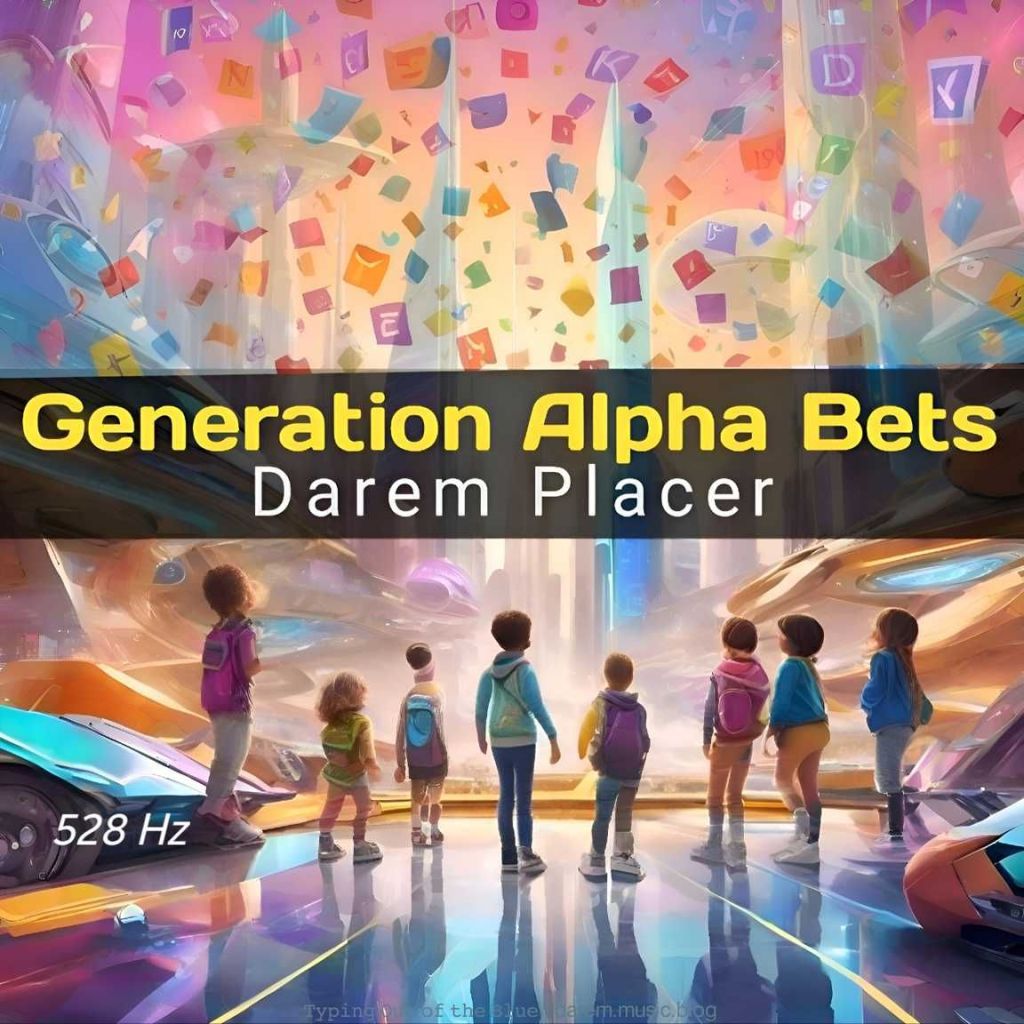
Generation Alpha Bets includes PQR. Soon on Bandcamp.

⌨ ᴛʸᵖⁱⁿᵍ ᴏᵘᵗ ᵒᶠ ᵗʰᵉ ʙˡᵘᵉ ᵈᵃʳᵉᵐ ᵐᵘˢⁱᶜ ᵇˡᵒᵍ