Out of Rhythm

When your routine slips, something quiet in your body starts to miss its cue.

Normally, people don’t talk about poop. It’s something everyone deals with, but it stays private. You don’t hear about it unless something goes wrong.

And when it does, you feel it. Constipation doesn’t make noise. It just slows everything down. You sit longer than usual. Nothing happens. Or when it does, it’s hard, uncomfortable, and incomplete.

It’s easy to blame food, but that’s only part of it. Your body follows your habits. Stress tightens things. Lack of sleep throws off your rhythm. Sitting too much keeps everything still. Not drinking enough water dries things out. Ignoring the urge teaches your body to wait. Do that often enough, and the signal fades.

The body runs on timing. For many people, the strongest window is in the morning. You wake up, drink water, eat, and your system gets the cue to move. For some, even coffee helps trigger that signal. But if your mornings are rushed, or you keep delaying, that timing breaks.

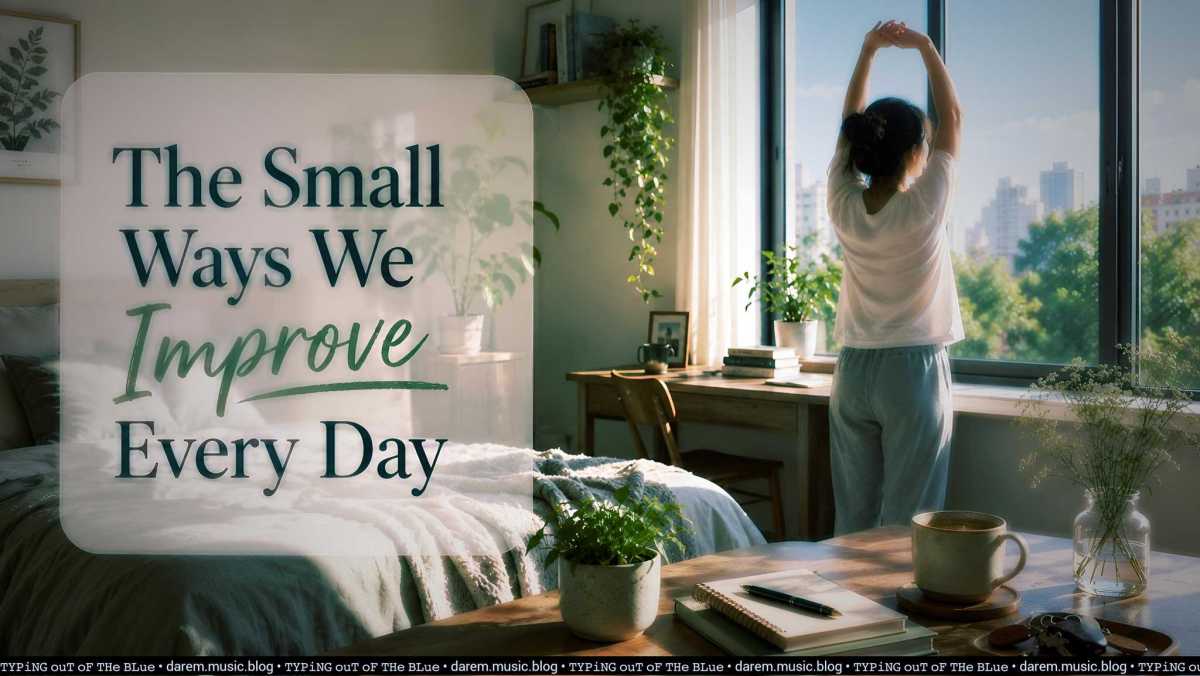
So the fix is not complicated. Wake up. Drink water. Move a little. Eat. Then sit for a few minutes. Don’t force it. Don’t scroll. Just give your body the chance to respond.

At first, nothing might happen. That’s fine. You’re not chasing a result. You’re rebuilding a pattern. Show up at the same time every day, and your body starts to meet you there. It’s quiet work. No attention. No shortcuts. But when the rhythm comes back, everything moves the way it should.

Practical tip: give your body something to work with.
• Banana (ripe), papaya, apple with skin, pear 
• Leafy greens, carrots, broccoli, squash 
• Oats, whole wheat bread, brown rice 
• Monggo, chickpeas, lentils 
• Chia seeds or flaxseeds 
Pair these with enough water. Add them gradually. Stay consistent. Simple inputs. Steady output.

If it keeps happening for a long time or comes with pain, it’s worth getting checked.

⌨ ᴛʸᵖⁱⁿᵍ ᴏᵘᵗ ᵒᶠ ᵗʰᵉ ʙˡᵘᵉ ᵈᵃʳᵉᵐ ᵐᵘˢⁱᶜ ᵇˡᵒᵍ

Right Time, Right Light

The sun doesn’t follow your clock. Knowing when to wear shades—and when to take them off—changes everything.

For those who’d rather listen.

Wearing Shades

Sunglasses are not meant for all day use. They are meant for the moments when light becomes too much.

The sun is not always the same. In the morning, it is soft. It helps your body wake up, sets your internal clock, and lifts your mood. Wearing sunglasses during this time blocks a signal your body actually needs.

By midday, everything changes. The light turns harsh. It reflects off roads, glass, and concrete. This is where sunglasses make sense. They protect your eyes from UV damage that builds over time. They reduce glare and help prevent headaches, even light-triggered migraines.

The same goes for driving. Even if it is not noon, glare can hit at the wrong angle. Sunglasses help you stay focused and avoid eye strain.

At the beach or in open areas, sunlight hits harder because it bounces back at you. In these places, sunglasses are not just helpful. They are necessary.

But not all use is good use.

Wearing sunglasses all the time has downsides. Your eyes help regulate your body clock. If you block natural light too often, especially early in the day, your sleep and energy patterns can slowly drift.

There is also a subtle habit that forms. If you always wear sunglasses, normal light may start to feel too bright. You begin to rely on them even when you do not need them.

Very dark lenses in low light can reduce visibility and make your eyes work harder, not easier.

And one detail people miss—dark lenses without proper UV protection are worse than no sunglasses at all. They make your eyes open wider while still letting harmful rays in.

Late afternoon shifts again. The light softens. It becomes easier on the eyes. This is a good time to take off your sunglasses and let your eyes adjust naturally.

The balance is simple. Use sunglasses when the light is harsh. Take them off when the light is calm.

There is also a simple way to tell without checking the time. If your shadow is short, the sun is strong—wear protection. If your shadow is long, the light is softer—you can ease up.

Sunlight is not the enemy. It helps your body function. But too much of it, at the wrong time, can cause damage.

Sunglasses are not there to block the sun completely. They are there to filter it, so your eyes can handle the day without losing what the light is meant to give.

And for your skin, do the part sunglasses cannot. Use sunblock when you step out into the day.

⌨ ᴛʸᵖⁱⁿᵍ ᴏᵘᵗ ᵒᶠ ᵗʰᵉ ʙˡᵘᵉ ᵈᵃʳᵉᵐ ᵐᵘˢⁱᶜ ᵇˡᵒᵍ