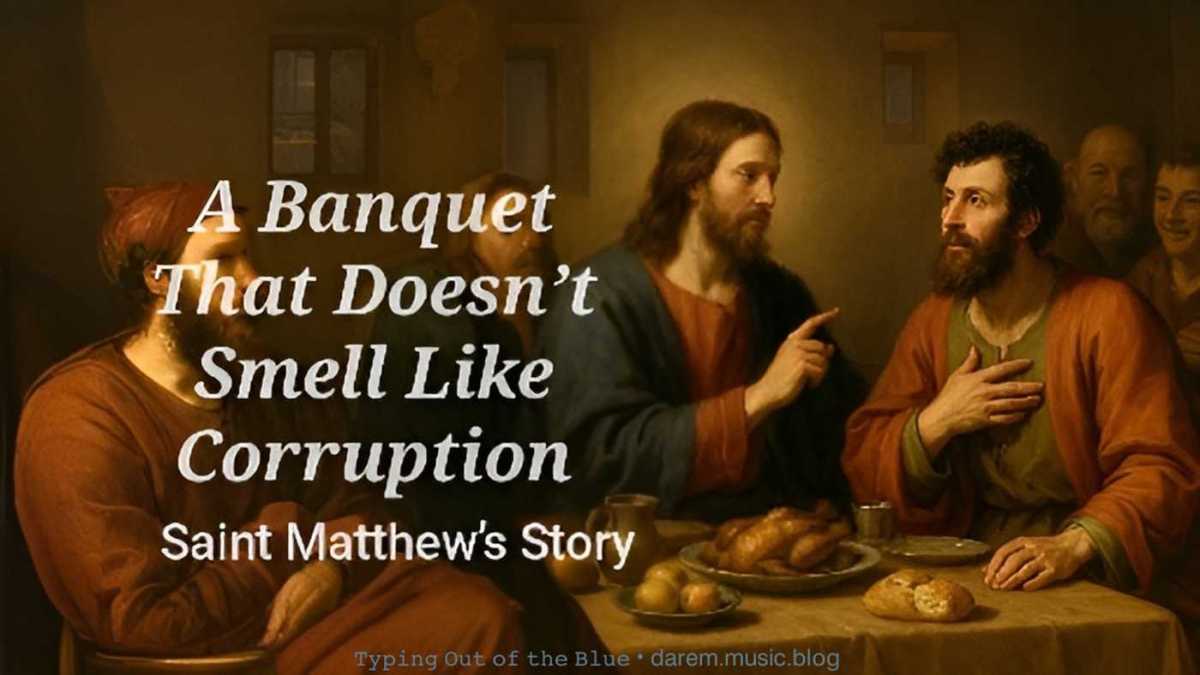
A Banquet That Doesn’t Smell Like Corruption

Not every feast is what it seems—sometimes the table hides more than it shows.

Saint Matthew’s Story

In the time of Jesus, tax collectors were the definition of corruption. They worked for Rome—the foreign power squeezing their own people. They overcharged and pocketed the extra. They dealt daily with Gentiles (their Roman bosses and other non-Jews), making them “unclean” in Jewish society. To their neighbors, they were traitors, thieves, and outcasts.

When Jesus said “Follow Me,” Matthew didn’t stall or negotiate. He stood up and left everything—his job, his power, his wealth, his safety net—and followed Jesus.

Then Matthew prepared a banquet. Not a show to cover up his dirty past, but a feast where fellow sinners could meet the same Jesus who called him.

Today, too many feasts exist only for show—to keep power, to protect stolen wealth, to survive another cycle.

We see too many fake banquets in our country—projects and handouts that sparkle outside but leak corruption inside. Saint Matthew showed us that what we need is change—not the loose coins, but the life-transforming change.

ᴛʸᵖⁱⁿᵍ ᴏᵘᵗ ᵒᶠ ᵗʰᵉ ʙˡᵘᵉ ᵈᵃʳᵉᵐ ᵐᵘˢⁱᶜ ᵇˡᵒᵍ
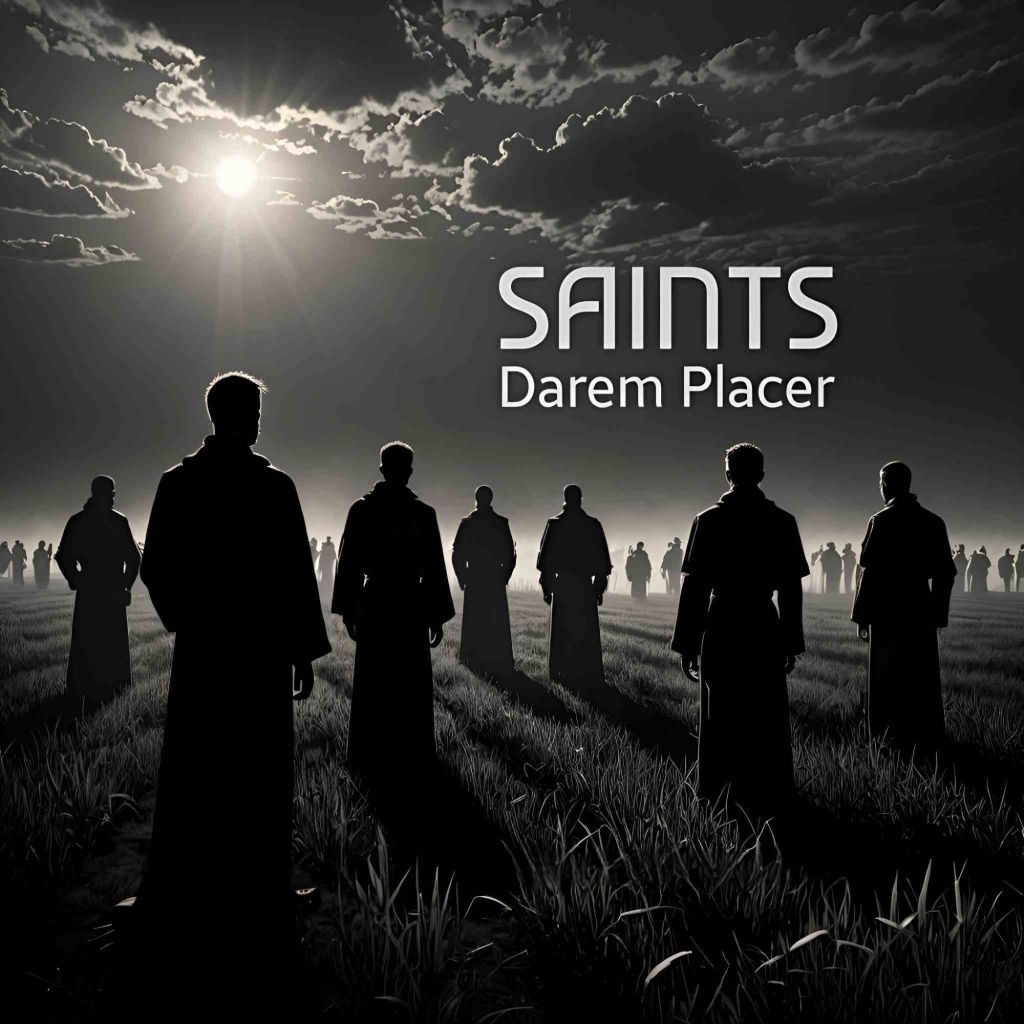
Traces of courage, silence, and sacrifice—this is Saints.

Listen on Apple Music, Apple Music Classical, and YouTube Music
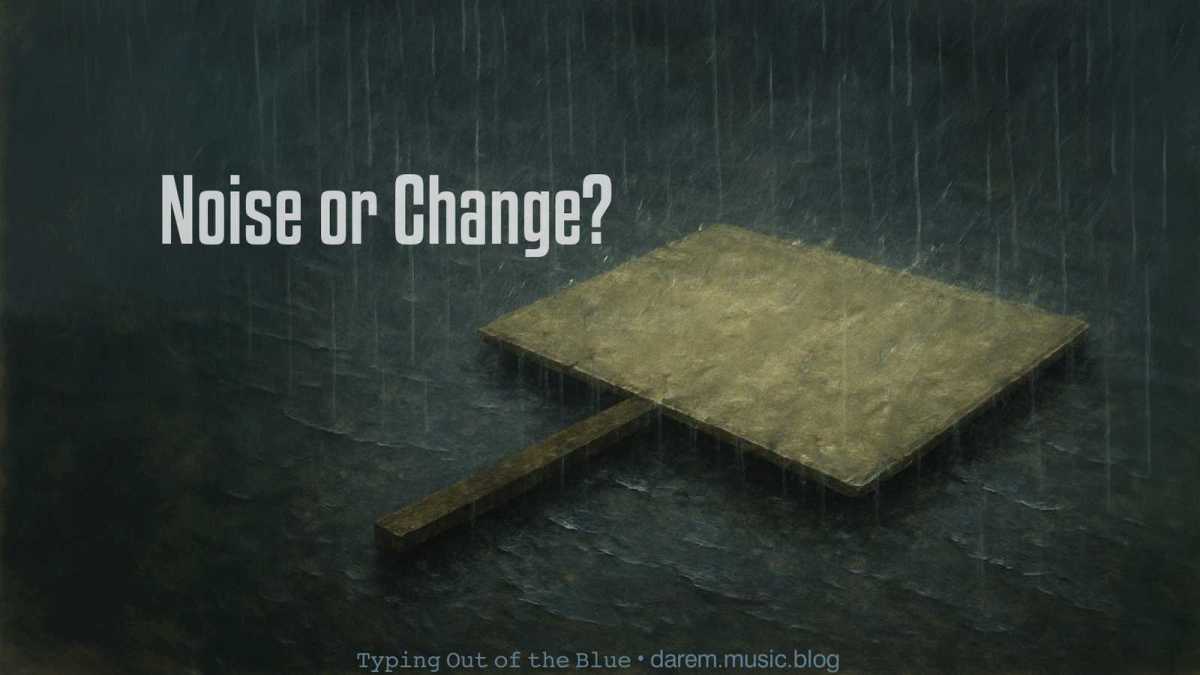
Noise or Change?

A sea of placards can shout “enough,” but what happens after the noise fades?

Rallies have always carried a strange power. A sea of people, shirts in one color, placards lifted high, voices echoing the same demand. It feels righteous, it feels historic—like you’re part of something bigger than yourself. That’s the pro: unity, visibility, the symbolic punch of saying “enough.” It shows the world that silence isn’t an option.

But here’s the con: noise doesn’t equal change. A chant on the street doesn’t put thieves behind bars. A placard won’t erase corruption, poverty, or injustice. At worst, rallies become a ritual—people show up, take photos, go home, and nothing shifts. The system remains untouched.

So where does the truth lie? Somewhere in between. A rally can be a spark, but never the fire itself. It can start a conversation, but it cannot finish it. Real change demands the slow, gritty work—laws rewritten, leaders held accountable, habits unlearned. That’s the part rallies can’t cover.

The danger is when people mistake symbolism for victory. Marching is easy; building honest institutions is not. Unity is loud; reform is quiet, often unseen. Both matter, but one without the other is empty theater.

In the end, rallies are a mirror of us. Do we gather to be seen, or do we gather to begin? If it’s just for the former, then it’s noise dressed as action. But if it pushes us toward the harder road, then maybe the streets really can lead to change.

ᴛʸᵖⁱⁿᵍ ᴏᵘᵗ ᵒᶠ ᵗʰᵉ ʙˡᵘᵉ ᵈᵃʳᵉᵐ ᵐᵘˢⁱᶜ ᵇˡᵒᵍ