It began with a sound—not a song, but an ad. Between playlists, Spotify listeners in the U.S. suddenly heard a voice inviting them to “Join ICE today.” Fifty-thousand dollar bonuses. Patriotic music. And a message that made many stop listening altogether.
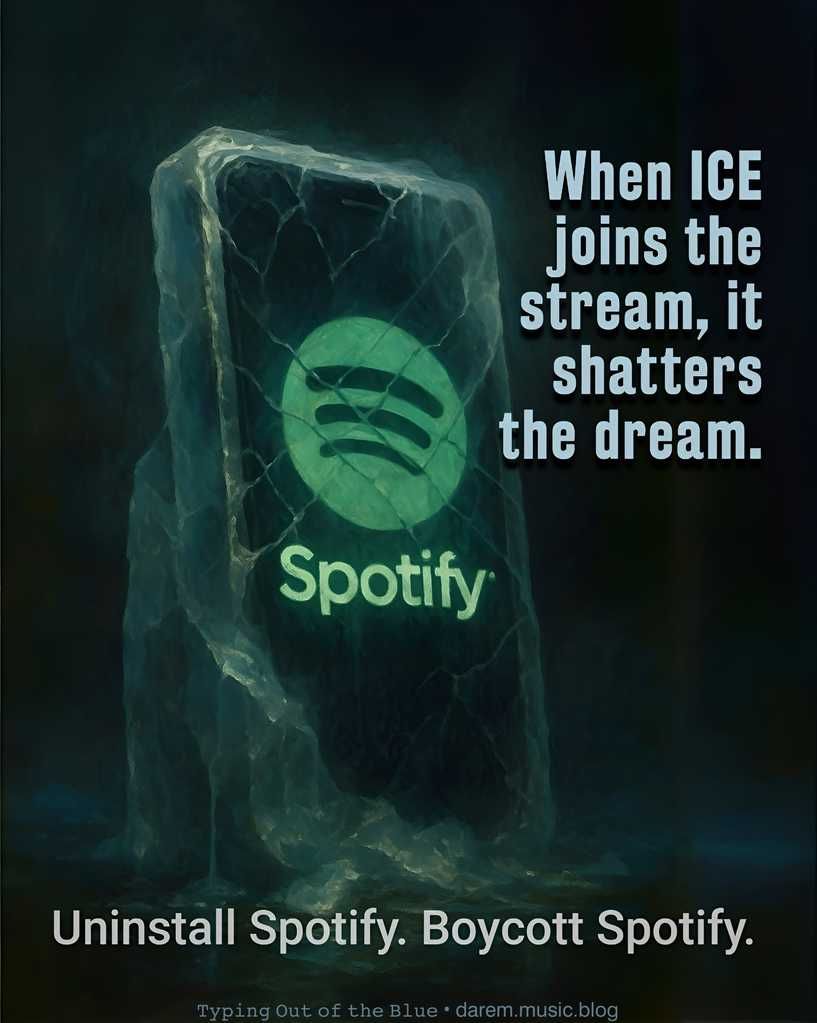
ICE—short for Immigration and Customs Enforcement—was formed after 9/11. Its mission sounds noble: protect borders, catch criminals, defend the nation. But for millions, it became a symbol of fear. Raids in neighborhoods, families separated, children locked in detention centers. The name itself turned cold as ice—freezing kindness, numbing hearts, and chilling what it meant to be human.
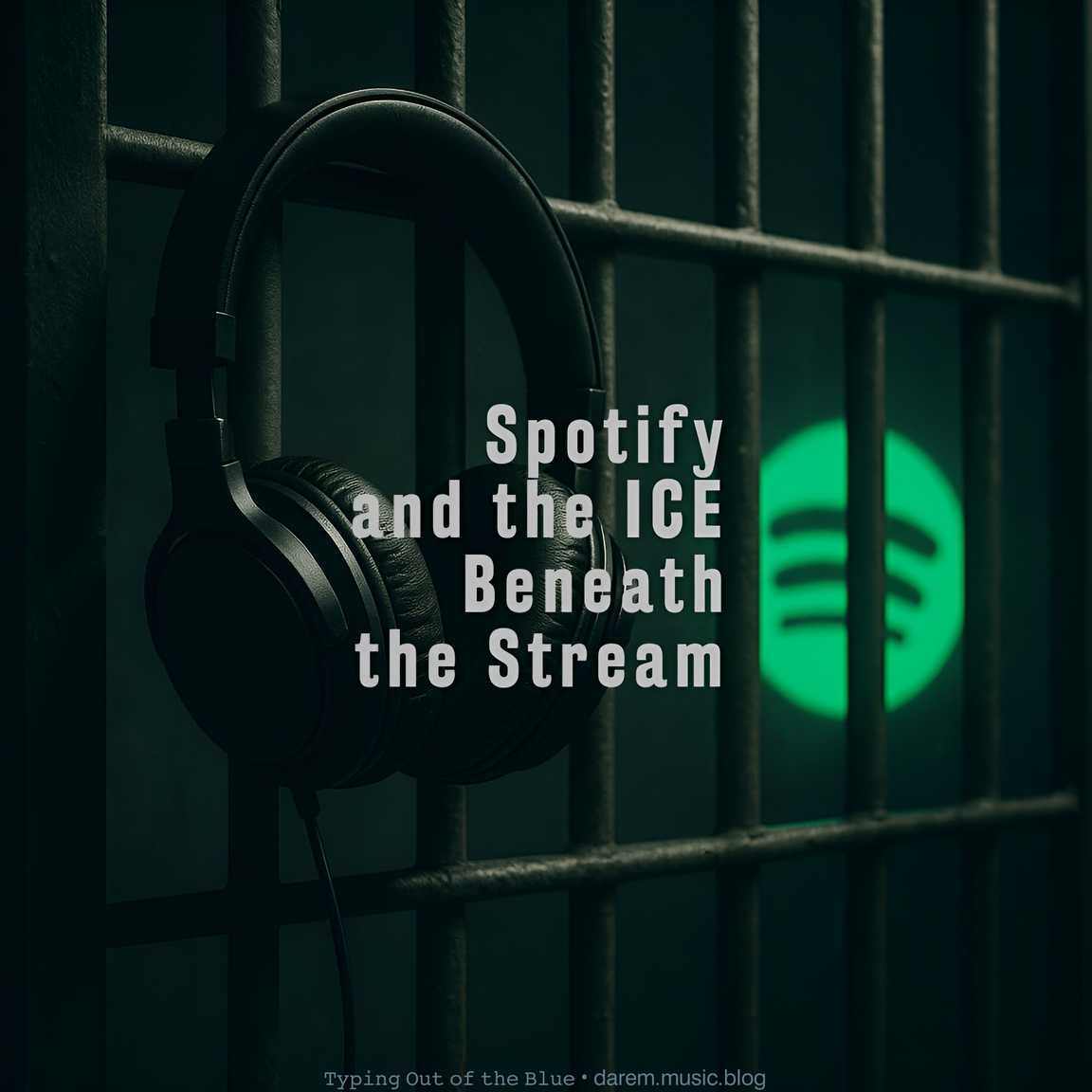
So when Spotify allowed ICE recruitment ads to play on its platform, listeners felt betrayed. For them, music was supposed to be a refuge, not a recruiting ground for an agency known for pain and division. Artists began to speak up. Fans deleted the app. The boycott hashtag spread like static across social media.
Spotify’s answer? The ads didn’t break their rules. But rules are not always right. When money stands beside fear, even silence becomes part of the problem.
It’s not just about an ad. It’s about what a company chooses to stand with—or stand against.
And when the rhythm stops for a reason this deep, it’s not just a boycott. It’s a wake-up call.
Music, war, and ICE shouldn’t mix.
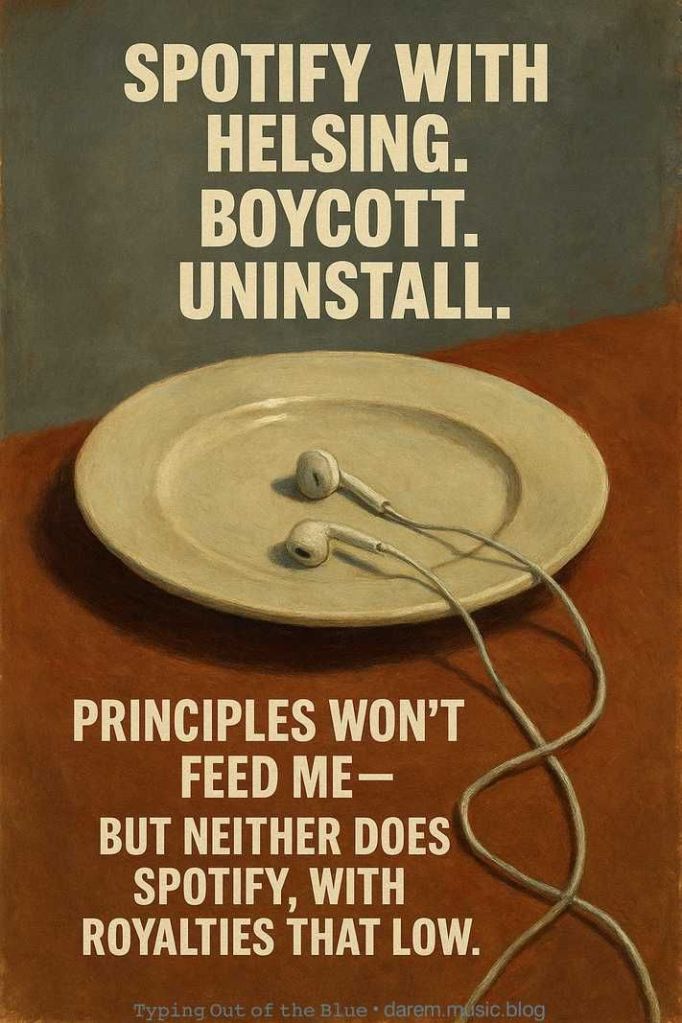
Uninstall Spotify. Boycott Spotify.
⌨ ᴛʸᵖⁱⁿᵍ ᴏᵘᵗ ᵒᶠ ᵗʰᵉ ʙˡᵘᵉ ᵈᵃʳᵉᵐ ᵐᵘˢⁱᶜ ᵇˡᵒᵍ