

People still ask if humans really went to the Moon. The first landing happened in 1969, during the Apollo missions.

1. The whole world was watching
Apollo missions were not seen by the US alone. Other countries tracked them live, including rival nations.

2. Astronauts brought things back
They returned with rocks from the Moon. Scientists around the world studied them. These rocks are different from rocks on Earth.

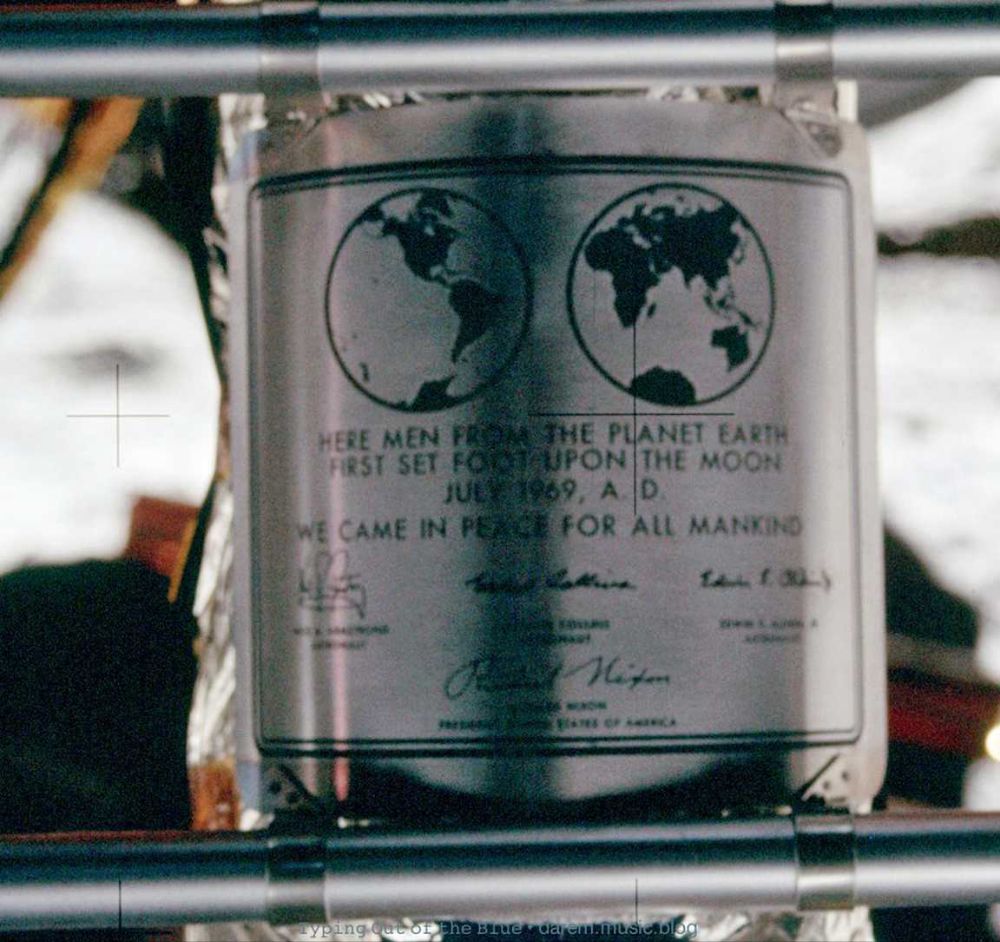
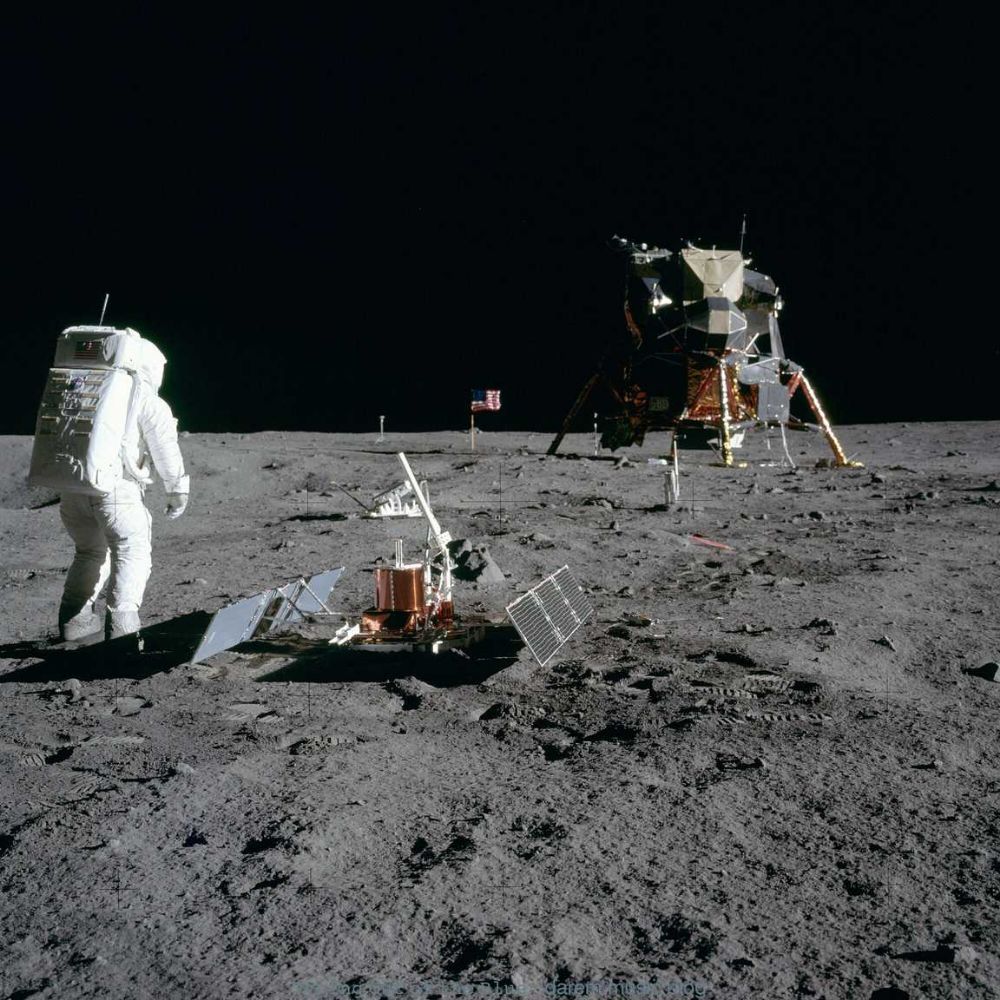
3. Something was left on the Moon
Apollo astronauts left equipment and markers on the Moon, including plaques and scientific instruments. Even today, scientists measure the Moon’s distance using laser retroreflectors left during the Apollo missions.
4. America’s rivals never called it fake
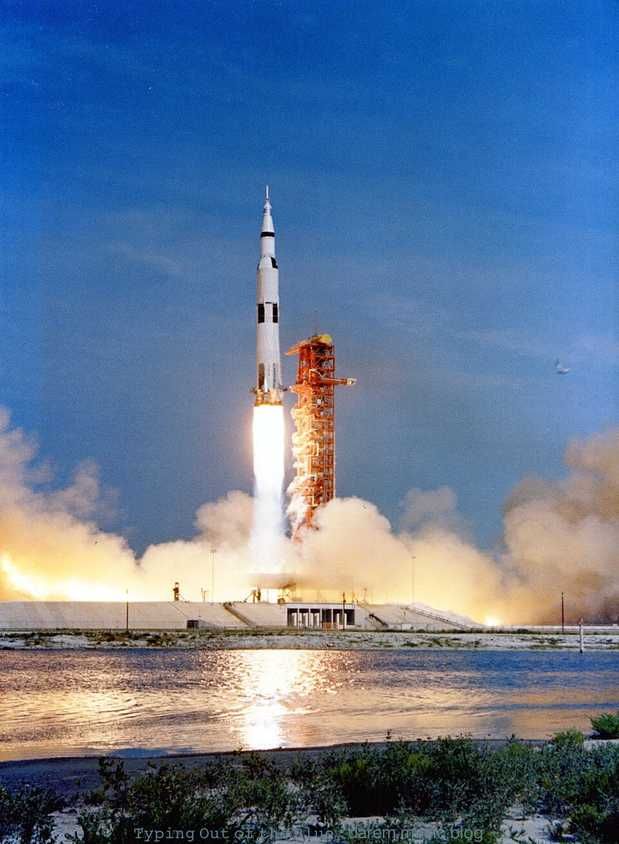
The Soviet Union tracked the missions too. They never said the landings were fake.
5. Too many people were involved to fake it
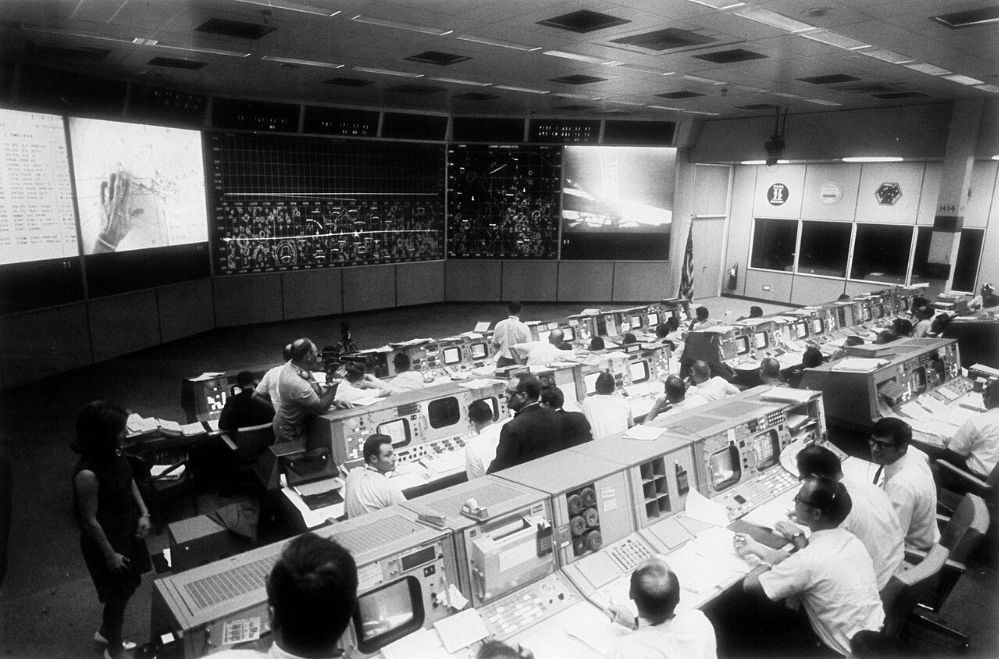
More than 400,000 people worked on Apollo. A lie that big would not stay hidden.
6. The photos look strange because the Moon is strange
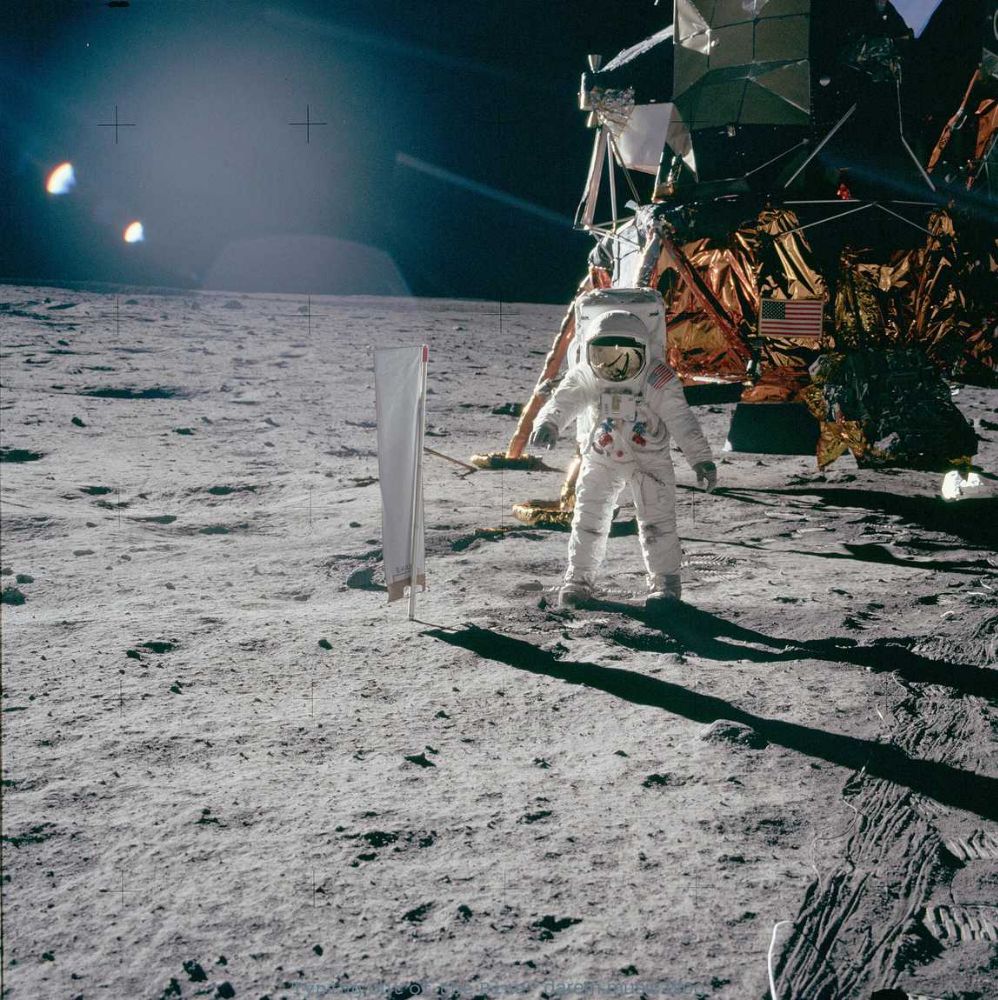
There is no air, low gravity, and very bright sunlight. That’s why Moon photos don’t look like Earth photos.
7. No stars in the sky is normal
The Moon’s surface is very bright. The cameras were set for that, so stars did not appear.

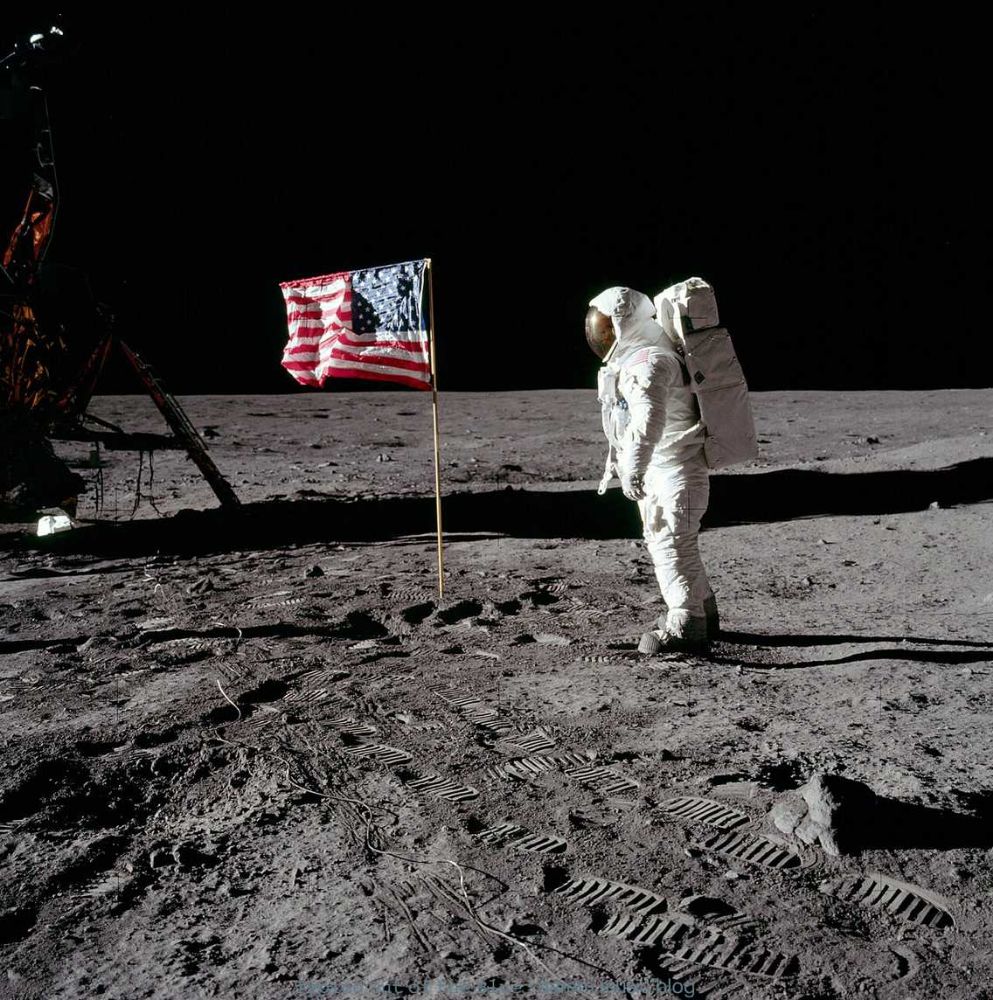
8. The flag did not wave in the wind
There is no wind on the Moon. The flag moved while being planted, then stopped.
9. Radiation did not kill the astronauts
Astronauts passed through dangerous areas quickly and safely. They did not stay there.
10. The computers were simple but worked
Apollo computers were basic compared to today’s devices, but they were built to do one job and they did it well.

11. No big hole under the landing craft
The engine was turned down during landing. Moon dust behaves differently than soil on Earth.

12. Modern missions still use Apollo data
Today’s Moon missions are built using Apollo measurements and experience. Engineers still rely on what worked before.

Decades later, the story continues.
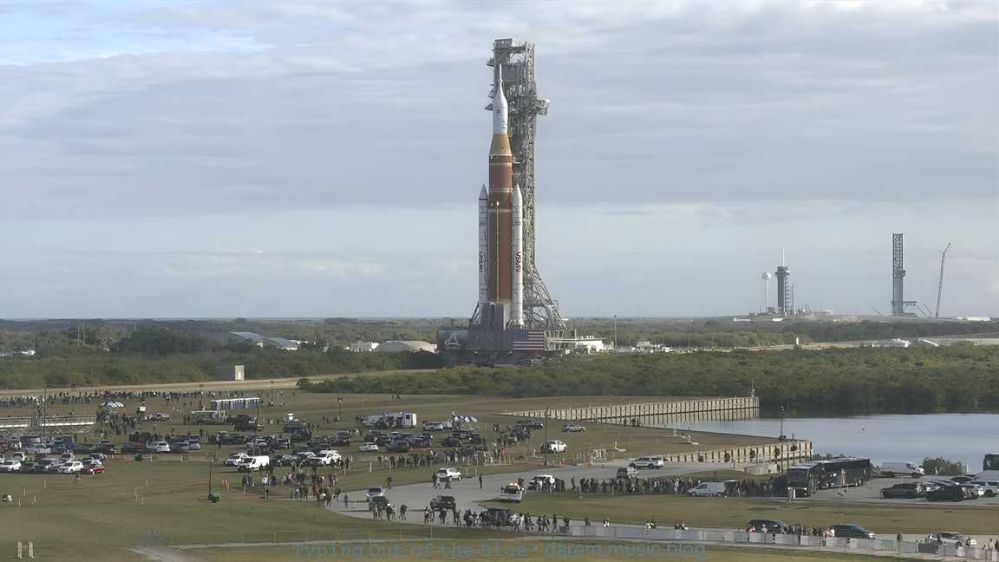
Artemis is NASA’s new Moon program.
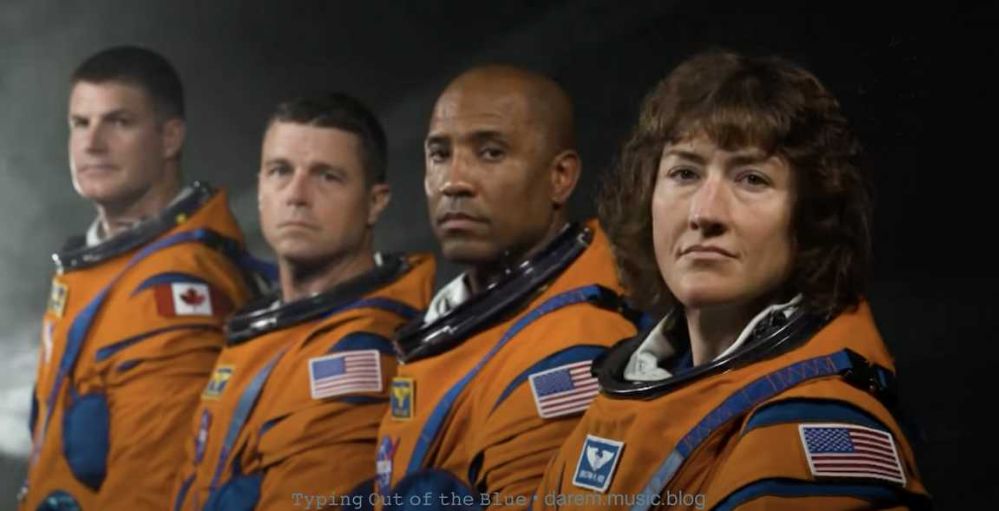
The next crewed Moon mission is planned for February 2026.
• Artemis II will send astronauts around the Moon
• Artemis III aims to land humans on the Moon again
• These missions are built on Apollo data, not to prove Apollo
If Apollo was fake, Artemis wouldn’t exist.
All photos are from Wikimedia Commons and are in the public domain.
⌨ ᴛʸᵖⁱⁿᵍ ᴏᵘᵗ ᵒᶠ ᵗʰᵉ ʙˡᵘᵉ ᵈᵃʳᵉᵐ ᵐᵘˢⁱᶜ ᵇˡᵒᵍ
