A Small Baby’s Early Beginning

A baby born too soon begins with gentle care, quiet strength, and small steps that slowly grow into real hope.

World Prematurity Awareness Day • November 17

Some babies arrive before anyone expects them. One day everything feels normal, and the next day a tiny baby needs extra help to stay warm, breathe, and grow.

Prematurity is not an abstract idea. It’s a real moment that changes a family’s life.

A small baby rests inside an incubator. Soft light, steady machines, and careful hands surround them. Parents watch closely and hope each day brings a small sign of progress.

In this quiet place, tiny things matter—an extra breath, a little weight gained, a calmer heartbeat. These small steps feel like big victories.

Many people assume tiny babies are weak, but they often show surprising strength. They fight in a slow, gentle way—learning to breathe better, eat better, and stay stable day by day.

Prematurity also reminds everyone that simple care before birth matters: healthy food, regular checkups, a safe home, and less stress for the mother. These basic habits help create safer beginnings, even when a baby chooses to arrive early.

Most babies born too soon grow up well—active, curious, and full of life. Their early days were difficult, but those days do not define their whole future.

Prematurity is about early beginnings, careful support, and the quiet strength found in the smallest lives.

⌨ ᴛʸᵖⁱⁿᵍ ᴏᵘᵗ ᵒᶠ ᵗʰᵉ ʙˡᵘᵉ ᵈᵃʳᵉᵐ ᵐᵘˢⁱᶜ ᵇˡᵒᵍ
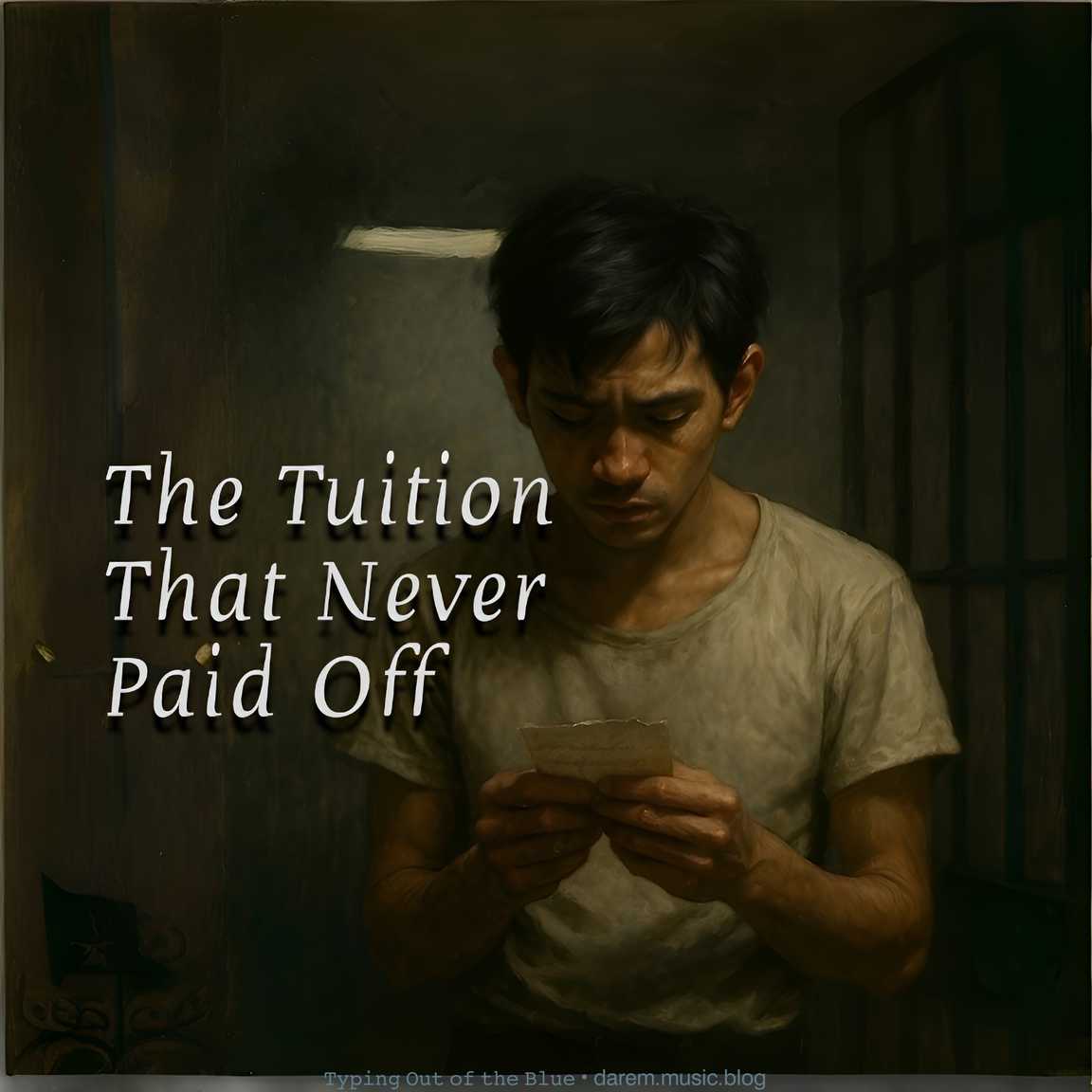
The Tuition That Never Paid Off

Some dreams lift us out of poverty. Others teach us why we fell in the first place.

They were poor, but the parents had a dream bigger than their hunger. Every coin they saved was a step toward a promise: their child would study in the best school. Maybe one day, they’d never have to count coins again.

The boy grew up seeing his mother skip meals and his father work double shifts. When he entered that expensive school, he thought he finally belonged to the world he always watched from the outside—polished shoes, shiny phones, soft accents. Soon, he learned how to pretend.

He started walking ahead of his mother so his classmates wouldn’t see her faded dress. He told his friends his father worked abroad. He laughed at the poor, forgetting that his own laughter smelled like rice from home that wasn’t enough.

One rainy night, both parents died in an accident on their way home from work. The next morning, he realized something worse than loss—there was no money for tomorrow. No savings, no food, no income. Only one thing remained untouched: the education fund his parents had protected all their lives.

He dropped out, saying school could wait. He told himself he’d go back once things were “stable.” But he never did.

He rented a small room, bought new clothes, ate in cafes, and scrolled through life pretending everything was fine. The money slowly disappeared, like the people who used to believe in him.

Then came the hunger. The same kind his parents knew—but without love beside it. He searched for jobs but found none that fit the image he built. He couldn’t even afford to print a resume.

One night, he saw a wallet left on a cafe table. He looked around. No one was watching. His hands shook—not because of fear, but because it felt familiar. Easy money, like a shortcut to the dream his parents once worked for.

He took it.
Then another.
Then another.

By the time the police caught him, the only thing left in his pocket was a small piece of paper—torn from the envelope his mother once used to keep their savings. On it, her handwriting still whispered: “For your college.”

He stared at it for a long time. The words blurred under his tears, and for the first time in years, he whispered back—almost like a prayer no one could hear.

“Nay… Tay… naubos ko na pati yung para bukas. At akoy unti-unti na ring nauubos.”

The officer pulled him away. The paper slipped from his hand, drifting down the station floor like a promise he could never pay back.

⌨ ᴛʸᵖⁱⁿᵍ ᴏᵘᵗ ᵒᶠ ᵗʰᵉ ʙˡᵘᵉ ᵈᵃʳᵉᵐ ᵐᵘˢⁱᶜ ᵇˡᵒᵍ