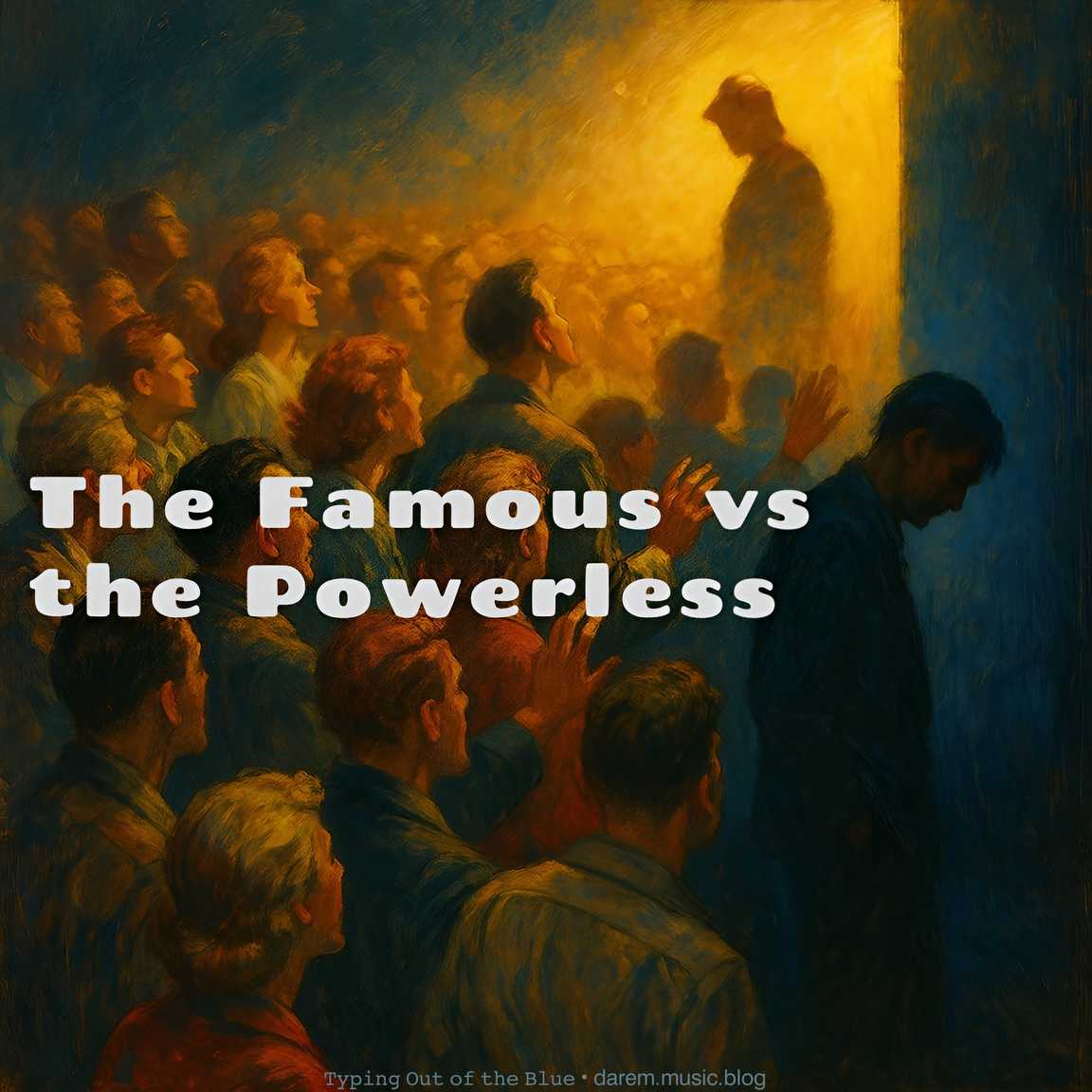
Some crowd reactions online don’t come from facts—they come from old habits. Generations of social conditioning shaped the way Filipinos choose who to believe, who to defend, and who to ignore. Hindi ito about logic. Hindi rin ito about truth. It’s about culture—deep, old, and automatic.
1. Colonial mentality — “Kung sino maganda, mayaman, sikat… sila ang tama.”
For centuries, Filipinos lived under strict hierarchy:
• Spanish ruling class
• American superiority mindset
• Local elites
Kaya nakatanim sa generations na ang may power, pangalan, at mukha—sila ang credible. Ang ordinary citizen? Hindi agad pinapakinggan. At hanggang ngayon, nakakabit pa rin yan sa mindset ng marami.
2. Showbiz culture domination
For decades, artista ang idol, authority, at “standard of truth.”
TV conditioned people to think:
• kung sikat ka, mabait ka
• kung sikat ka, victim ka
• kung sikat ka, hindi ka gagawa ng mali
Kahit may scandal or abuse, the crowd still protects the celebrity. At ngayon, vloggers and influencers ang modern artistas—same worship pattern, same reflex.
3. Crab mentality turned upside-down
Pinoys tear down people on the same level pero worship those above them. The reflex becomes:
“Equal tayo? Babanatan kita.”
“Sikat ka? Ikaw ang bida.”
It’s insecurity flipped into hero worship.
4. Poverty psychology — people cling to “winners”
Sa bansang maraming naghihirap, success becomes escape. Seeing someone famous gives people:
• hope
• escapism
• pride-by-proxy
• the feeling of joining something “better”
Kaya automatic ang pattern:
Support the famous para maramdaman na part ka ng panalo.
Attack the ordinary para ma-distance ang sarili sa own struggles.
5. Herd mentality amplified by Facebook
Pinoys love Facebook more than any other country. Doon nabuo ang toxic version ng bayanihan:
• what the majority says feels right
• what goes viral feels true
• who has more followers becomes the “voice”
Facts are optional. Views become truth. Followers become morality.
6. Fear of going against the crowd
Maraming Pinoy avoid conflict.
Kaya kung sino ang mas sikat at mas maingay, doon sila sumasabay.
Mas safe. Mas simple. Mas tahimik ang buhay.
At bihira ang taong lalaban sa millions of supporters.
7. Historical distrust of ordinary voices
For generations, systems taught people:
“The elites know better.”
“The masses don’t.”
Kaya pag ordinary person nagsalita, madali siyang tawaging:
• papansin
• naghuhuthot
• bitter
• sinungaling
Even when valid ang point.
The system was built to protect the famous and silence the powerless. Matagal nang ganito—hindi bago. Ang nagbago lang, social media made everything faster, louder, and harsher.
In this culture, the fight is never equal. And the ordinary voice has to push twice as hard just to be heard.
⌨ ᴛʸᵖⁱⁿᵍ ᴏᵘᵗ ᵒᶠ ᵗʰᵉ ʙˡᵘᵉ ᵈᵃʳᵉᵐ ᵐᵘˢⁱᶜ ᵇˡᵒᵍ

Out this season on Bandcamp.
