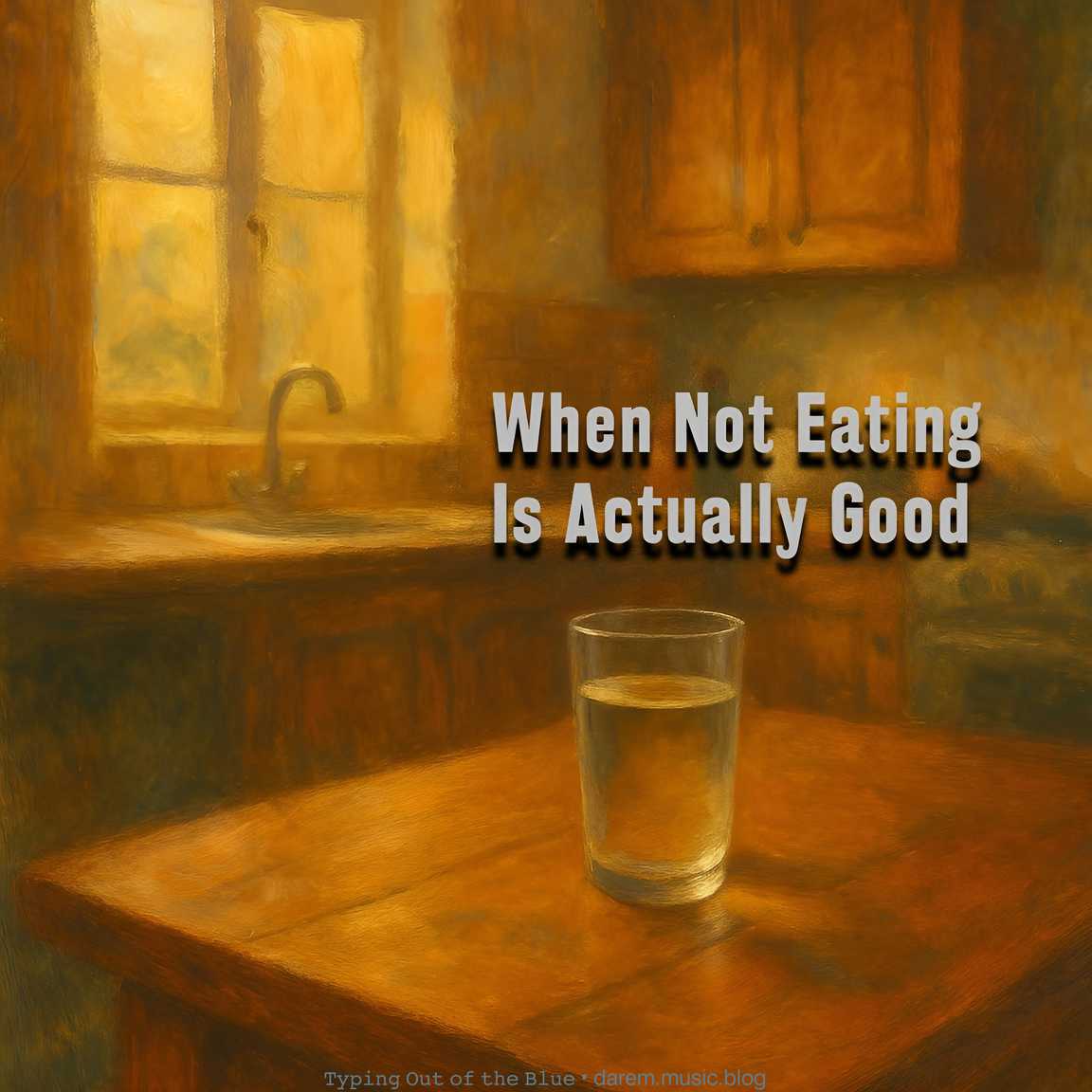
We all grew up thinking we had to eat three times a day—breakfast, lunch, dinner. Miss one and people said you’d get weak. But that rule didn’t come from nature. Someone just made it up, and everyone went with it. Nobody even asked why.
Back in the 1700s, people simply ate when they got hungry—plain and real. Farmers ate after long days—hunters after a good catch. No clocks yet. No rules. Then came the 1800s—factories took over, and the bell started running people’s lives more than hunger did.
By the 1900s, cereal brands joined the game. They said breakfast was “the most important meal of the day.” Catchy line. Sold boxes. It wasn’t really about health—just a smart business move.
These days, science says your body doesn’t actually care much about time. When you give it space—what people now call intermittent fasting—your system fixes itself. Clears leftovers, steadies sugar, makes room to breathe again. It’s not starving. It’s letting your body catch up.
Still, fasting’s not for everyone. If your stomach’s weak or you’ve got ulcers or low sugar, don’t push it. Hunger pain isn’t strength—it’s your body saying, “slow down a bit.”
Try it this way:
• Not hungry? Then skip it. You’re fine.
• Hungry? Eat. Don’t wait too long, or you’ll attack the food like it’s been missing all day.
• Keep water near. Sip when you want.
• Eat real food when you do.
• Rest, too. If you barely slept or your head’s too tired, fasting won’t do you any good.
Skipping a meal once in a while’s okay. Your body could still be working on the food from earlier. You don’t need to chase every rule people made up. Just listen.
⌨ ᴛʸᵖⁱⁿᵍ ᴏᵘᵗ ᵒᶠ ᵗʰᵉ ʙˡᵘᵉ ᵈᵃʳᵉᵐ ᵐᵘˢⁱᶜ ᵇˡᵒᵍ
