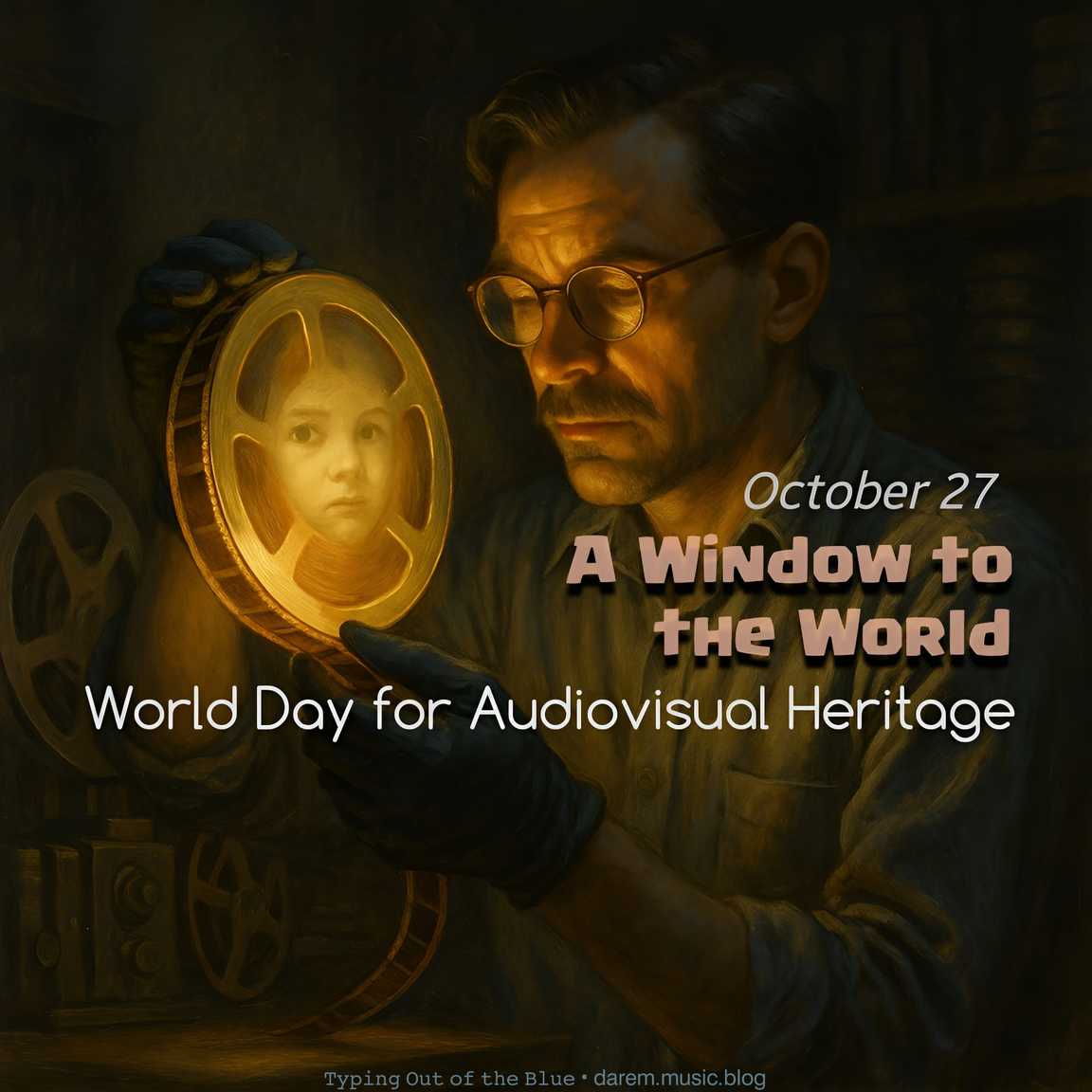
Celebrating Audiovisual Heritage with UNESCO Archives
We forget fast. Voices fade. Tape curls up. Time eats what we make. Somewhere in Paris, inside a quiet room that smells of dust and light, UNESCO (United Nations Educational, Scientific and Cultural Organization) keeps pressing rewind.
You can almost hear it—children laughing in half-broken classrooms, a teacher reading through the hum of an old mic. The film shakes a bit, colors bleeding, but the moment still breathes. Old cameras caught faces trying to explain peace in words they barely knew. Not perfect, not framed right, but real. People once cared enough to remember each other.
The scratches on film? That’s heartbeat. The flicker? Someone fighting the dark. Now it’s different. We don’t just lose memories anymore—we fake them. AI can paint a smile, build a face, bend a truth until it sounds true. But the archives—they carry the weight of real things. The uneven sound. The pause before a sentence. The silence no one edited out.
That’s what makes them sacred. Truth isn’t built by code. It’s kept by care. October 27 is for those quiet hands who save what’s left—splicing reels, fixing frames, pulling sound from the dust. They’re not keeping the past alive for nostalgia. They’re keeping it honest. When you hit play, it’s not history—it’s proof someone once lived, and tried, and spoke. And that’s enough.
⌨ ᴛʸᵖⁱⁿᵍ ᴏᵘᵗ ᵒᶠ ᵗʰᵉ ʙˡᵘᵉ ᵈᵃʳᵉᵐ ᵐᵘˢⁱᶜ ᵇˡᵒᵍ
