Water isn’t just part of life—it is life. Every drop inside us keeps everything working—blood, organs, even the brain that shapes our thoughts and moods. But new research says it’s doing way more than we used to think.
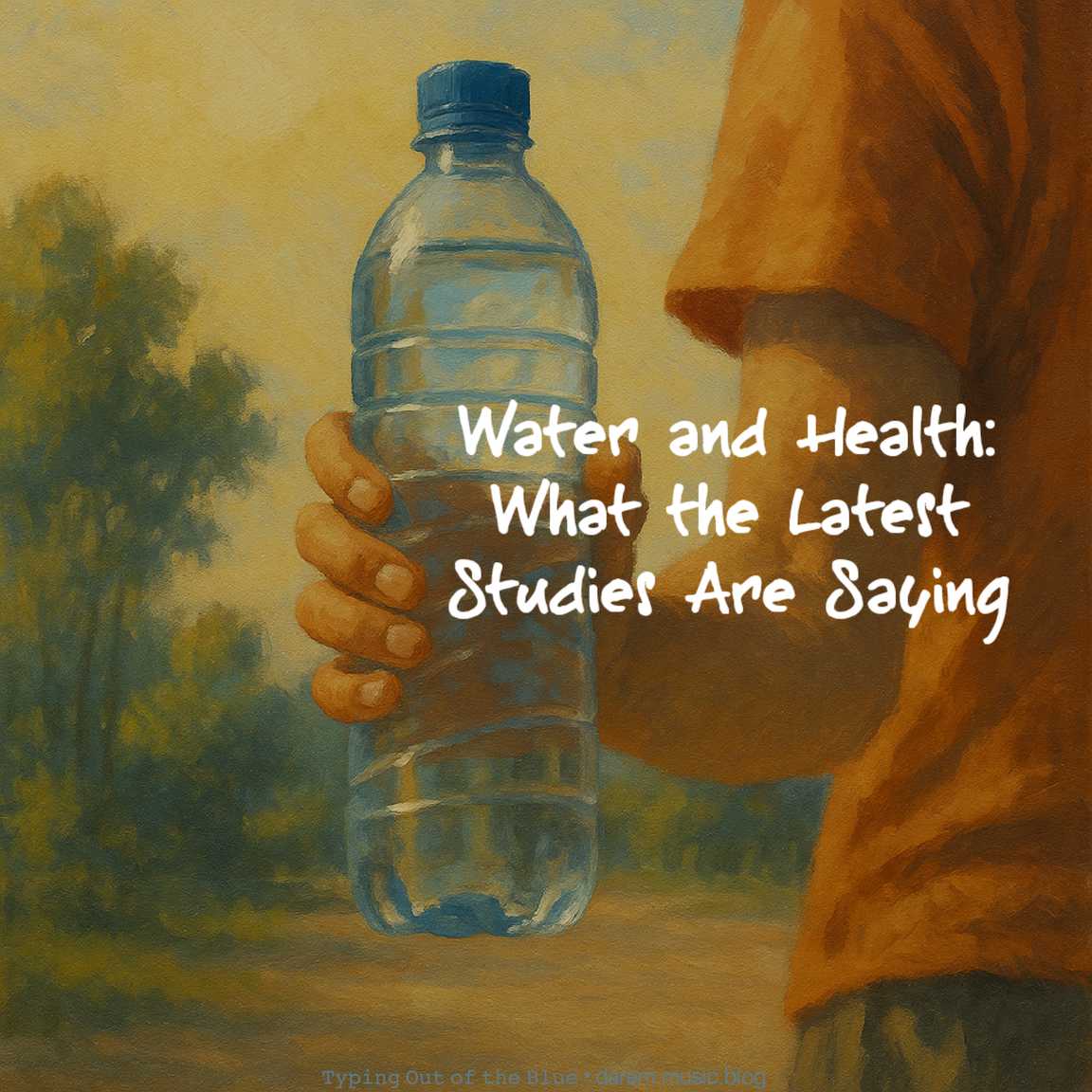
Recent studies show that staying hydrated isn’t only about thirst. It can actually affect how you sleep, how stressed you feel, and even how fast you age. One 2025 study found that people who drank enough water slept better than those who didn’t. Another showed that low water intake raised stress hormones by over 50%. Think about that—stress levels could drop just by drinking more water.
Then there’s the long game. Higher plain water intake was linked to a lower stroke risk. And those with higher sodium levels (a sign of poor hydration) showed faster biological aging and more chronic diseases. Studies show around 75% of adults still fall short of their daily hydration needs. So the science keeps repeating the same tune—water touches everything inside us, from our cells to our sleep.
But it’s not just “drink eight glasses a day” anymore. Hydration depends on your body, weather, and even what you drink. In hot or humid places like the Philippines, you need more water than you think. Some 2025 research even found that drinks with a bit of protein or sugar, like milk, can hydrate longer than plain water.
In hot or humid months, people often get dehydrated without realizing it. So it’s not enough to “feel thirsty”—you’ve got to be intentional about drinking before your body starts asking. And when you’re sweating heavily or feeling drained, that’s when electrolytes help—naturally found in foods like bananas, avocados, spinach, and yogurt, or drinks like coconut water, milk, or electrolyte beverages such as Pocari Sweat and Lightwater.
So yeah, water still wears the crown—but with updated rules. Drink regularly. Adjust with the weather. Add electrolytes only when sweating heavily or feeling drained. It’s not just about drinking more, it’s about staying aware that your body runs on water as much as it runs on will.
⌨ ᴛʸᵖⁱⁿᵍ ᴏᵘᵗ ᵒᶠ ᵗʰᵉ ʙˡᵘᵉ ᵈᵃʳᵉᵐ ᵐᵘˢⁱᶜ ᵇˡᵒᵍ