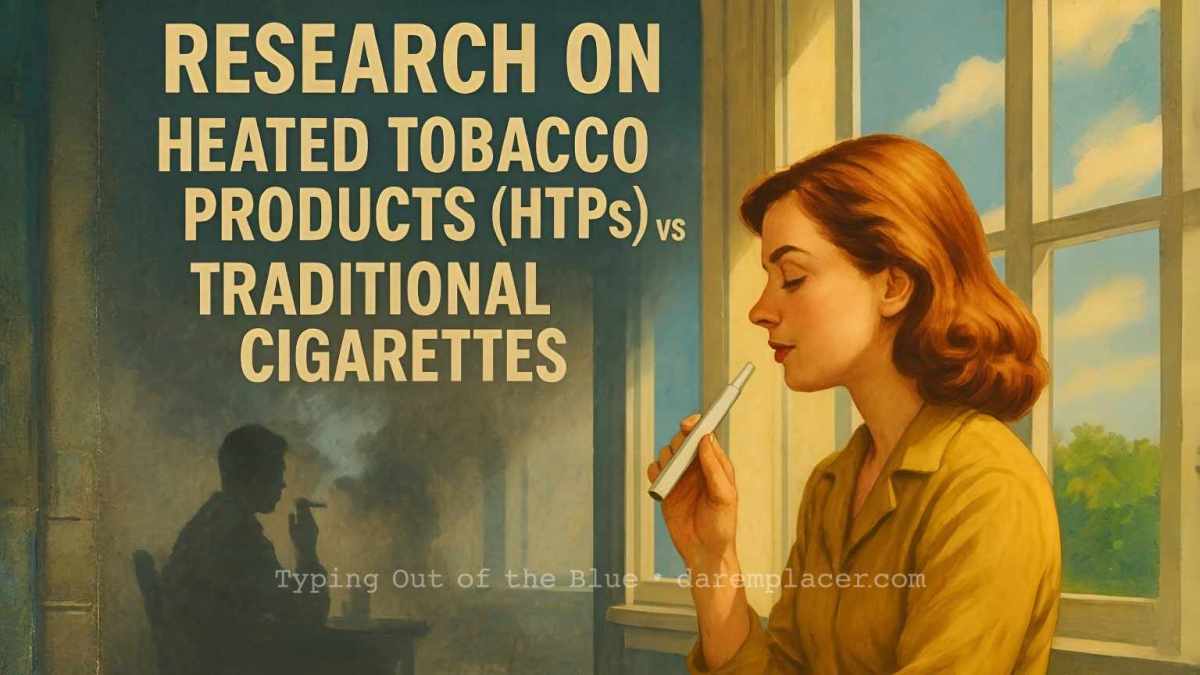
Smoking has long been linked with serious health risks, not just for smokers but also for the people around them. In recent years, heated tobacco products (HTPs) have been introduced as alternatives to traditional cigarettes. They do not burn tobacco but heat it to release nicotine-containing vapor. Research has begun to look into how these products compare with regular cigarettes. Here are the main reported findings:
Health Effects
1. Lower exposure to harmful chemicals
HTPs release fewer toxic compounds and less particulate matter compared to cigarette smoke.
Studies confirm reduced exposure when switching, but harmful substances remain.
Note: Less doesn’t mean harmless — HTP aerosol still carries toxins.
2. Reduced passive smoking risks
Because HTPs heat instead of burn, they produce vapor rather than smoke.
This means non-smokers take in far less exposure.
Note: Cleaner than smoke, but still not pure “water vapor.”
3. Possible cardiovascular benefits
Short-term trials show improvements such as lower heart rate, better blood vessel function, and improved HDL cholesterol.
Long-term effects are still uncertain.
Note: Current evidence comes from small, short studies only.
4. Improvements in biomarkers
Research shows reduced oxidative stress and less cell damage with HTP aerosol.
Some markers of vascular health also appear better than in cigarette smokers.
Note: Biomarkers are only early signals, not proof of reduced disease.
5. Possibly lower disease risk
Some reviews suggest reduced chances of cancer and cardiovascular disease compared to smoking.
But these are still early findings.
Note: Mostly modeled projections — actual long-term results are missing.
6. Less nicotine intake
Certain HTP devices deliver less nicotine than cigarettes.
This may mean slightly lower addictive potential, though cravings are still satisfied.
Note: Not all HTPs are the same — some give less nicotine, others deliver levels close to cigarettes.
Environment & Safety
7. Cleaner indoor air
Rooms where HTPs are used show less indoor pollution.
Air clears faster than in smoke-filled rooms.
Note: Cleaner doesn’t mean clean — pollutants are still detectable.
8. Lower fire risk
Since there is no burning tip, the risk of accidental fires is reduced.
Note: Fire from burning is gone, but battery or device failures remain possible.
9. Less trash
HTPs produce no ashes or cigarette butts.
Note: They still add to plastic and electronic waste.
User & Social Experience
10. Less smell and stains
HTPs cause less yellowing on teeth and fingers.
They also leave less odor on clothes and in rooms.
Note: Odor is lighter and fades faster, but not gone completely.
11. Fewer oral health problems
Users report less gum irritation, bad breath, and sore throat compared to cigarette smokers.
Note: “Fewer” means reduced problems, not eliminated.
12. Less discomfort for non-users
People around HTP users complain less of coughing, sore throat, or nausea.
Note: Some people may still react, just less often than with smoke.
Overall View
Research shows that HTPs present several improvements compared to traditional cigarettes in terms of health, environment, and social comfort. They are still nicotine products and not risk-free, but available studies suggest they may be a less harmful option for those who continue to use tobacco.
Bottom line
HTPs are not the same as quitting, but they represent a move toward reduced harm compared to cigarettes.
The only way to fully avoid risks is to stop using tobacco completely.
𝚃𝚢𝚙𝚒𝚗𝚐 𝙾𝚞𝚝 𝚘𝚏 𝚝𝚑𝚎 𝙱𝚕𝚞𝚎
𝚍𝚊𝚛𝚎𝚖𝚙𝚕𝚊𝚌𝚎𝚛.𝚌𝚘𝚖
