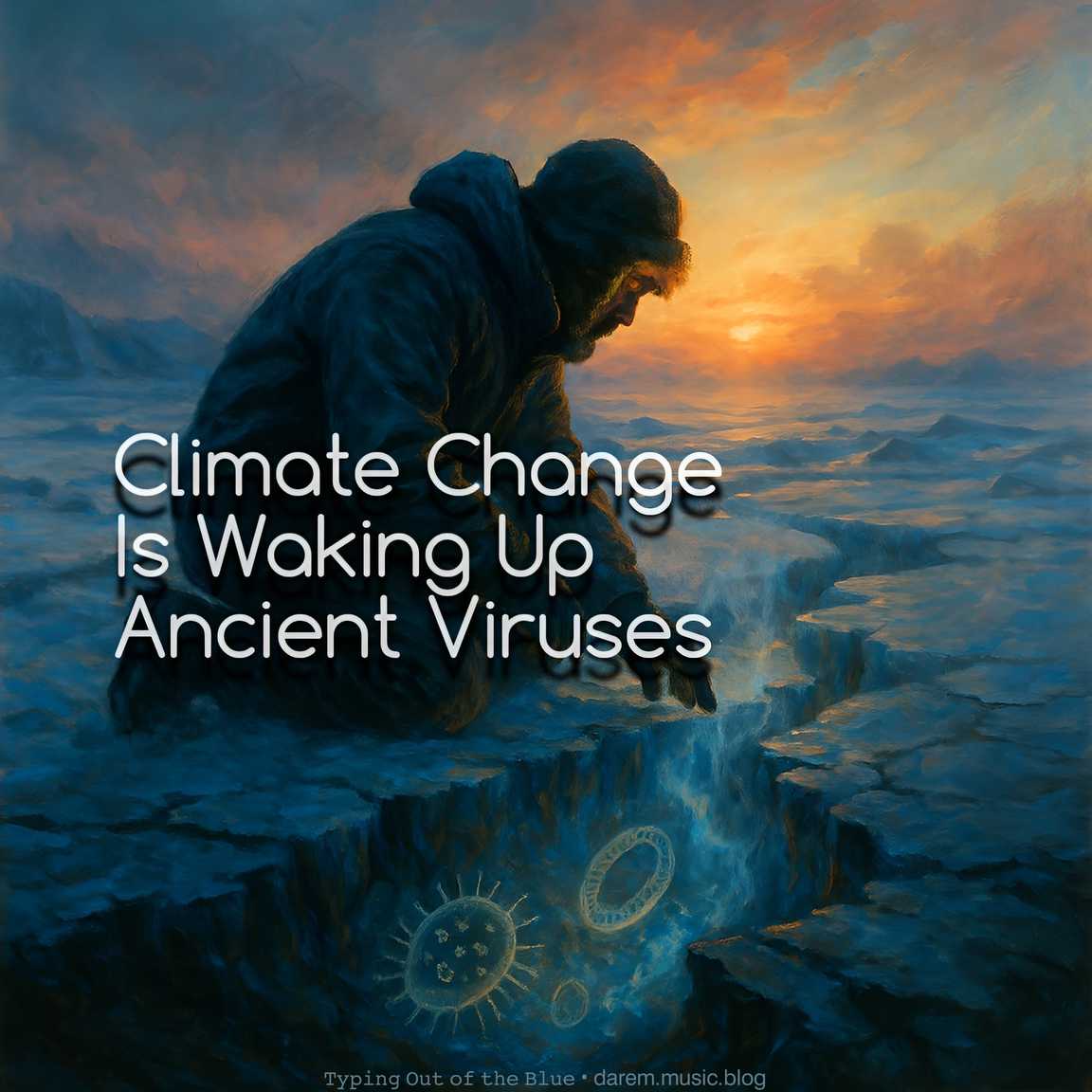
Climate Change Is Waking Up Ancient Viruses

Melting ice is releasing ancient microbes and viruses. The past is waking—and scientists say the world must pay attention.

As the planet warms, something old is stirring beneath the ice.

In the frozen Arctic and distant mountain ranges, scientists are finding ancient microbes and viruses—some frozen for tens of thousands of years. They call them “zombie viruses.” Not because they crawl, but because they never truly died.

🧊 What’s Beneath the Ice

Permafrost, the ground that stays frozen for centuries, is melting faster than ever. Inside it are the remains of plants, animals, and microorganisms from a forgotten world. When the ice thaws, those tiny life forms can wake up again.

In Siberia, researchers revived 13 ancient viruses, including one that’s 48,500 years old and still capable of infecting amoebas.

In the Himalayas, scientists discovered around 1,700 unknown viral species trapped inside glacier ice. They may not infect humans, but they reveal how much life the Earth has been keeping in storage.

⚠️ The Real Concern

The risk to humans is still small—but not zero.

In 2016, melting permafrost in Siberia released anthrax bacteria from a frozen reindeer carcass, infecting both people and animals. That outbreak proved one thing: some threats from the past can still return.

As mining, drilling, and research move deeper into thawing ground, more contact with ancient microbes becomes possible. Each disturbance of the ice opens another page of the planet’s old archive.

🌡 More Than Health

The melting isn’t just a health issue—it’s a climate one.

When permafrost softens, it also releases carbon and methane, powerful greenhouse gases that trap more heat and speed up global warming. The ice is part of Earth’s natural balance; when it breaks, the rhythm changes everywhere.

🔍 What Scientists Warn

Researchers are calling for stronger monitoring and safety systems in melting regions. We can’t refreeze the planet overnight, but we can track what’s emerging and prepare for the possible consequences.

Ignoring the problem doesn’t stop it—it only lets the thaw go unnoticed.

🌱 The Reminder

Climate change isn’t only about heatwaves and rising seas. It’s also about the Earth reopening its old pages.

Every melt reveals something forgotten.

Every discovery reminds us that when we disturb the past, it might just wake up.

⌨ ᴛʸᵖⁱⁿᵍ ᴏᵘᵗ ᵒᶠ ᵗʰᵉ ʙˡᵘᵉ ᵈᵃʳᵉᵐ ᵐᵘˢⁱᶜ ᵇˡᵒᵍ

👉 Download Sky-Low on Bandcamp

💿 Just type 0 if you want to download the album for free.

Sky-Low
“Sky-Low” is not just an album—it’s an awareness campaign about climate change and a challenge to protect our planet.

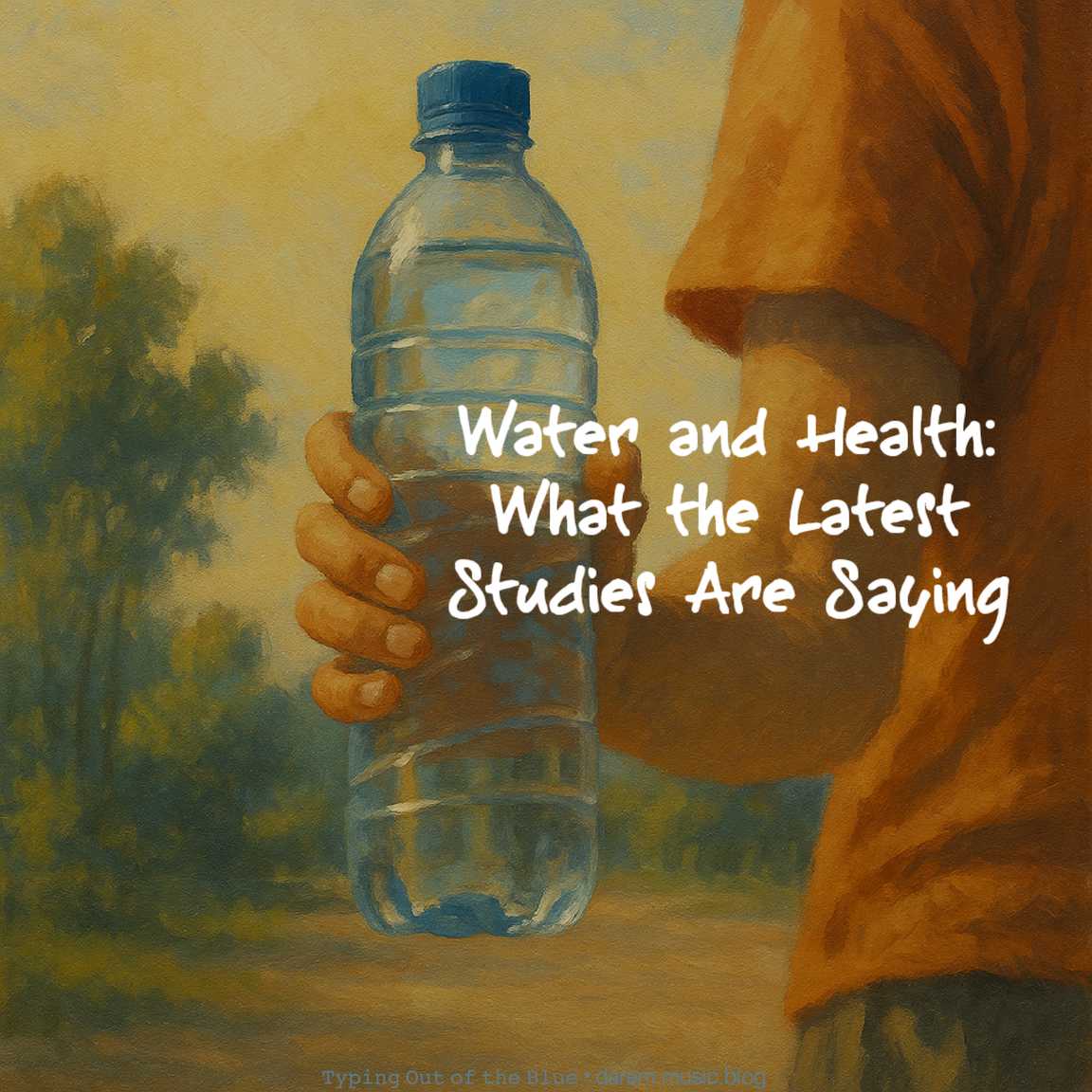
Water and Health: What the Latest Studies Are Saying

Hydration isn’t that simple anymore. Science just gave water a new story.

Water isn’t just part of life—it is life. Every drop inside us keeps everything working—blood, organs, even the brain that shapes our thoughts and moods. But new research says it’s doing way more than we used to think.

Recent studies show that staying hydrated isn’t only about thirst. It can actually affect how you sleep, how stressed you feel, and even how fast you age. One 2025 study found that people who drank enough water slept better than those who didn’t. Another showed that low water intake raised stress hormones by over 50%. Think about that—stress levels could drop just by drinking more water.

Then there’s the long game. Higher plain water intake was linked to a lower stroke risk. And those with higher sodium levels (a sign of poor hydration) showed faster biological aging and more chronic diseases. Studies show around 75% of adults still fall short of their daily hydration needs. So the science keeps repeating the same tune—water touches everything inside us, from our cells to our sleep.

But it’s not just “drink eight glasses a day” anymore. Hydration depends on your body, weather, and even what you drink. In hot or humid places like the Philippines, you need more water than you think. Some 2025 research even found that drinks with a bit of protein or sugar, like milk, can hydrate longer than plain water.

In hot or humid months, people often get dehydrated without realizing it. So it’s not enough to “feel thirsty”—you’ve got to be intentional about drinking before your body starts asking. And when you’re sweating heavily or feeling drained, that’s when electrolytes help—naturally found in foods like bananas, avocados, spinach, and yogurt, or drinks like coconut water, milk, or electrolyte beverages such as Pocari Sweat and Lightwater.

So yeah, water still wears the crown—but with updated rules. Drink regularly. Adjust with the weather. Add electrolytes only when sweating heavily or feeling drained. It’s not just about drinking more, it’s about staying aware that your body runs on water as much as it runs on will.

⌨ ᴛʸᵖⁱⁿᵍ ᴏᵘᵗ ᵒᶠ ᵗʰᵉ ʙˡᵘᵉ ᵈᵃʳᵉᵐ ᵐᵘˢⁱᶜ ᵇˡᵒᵍ