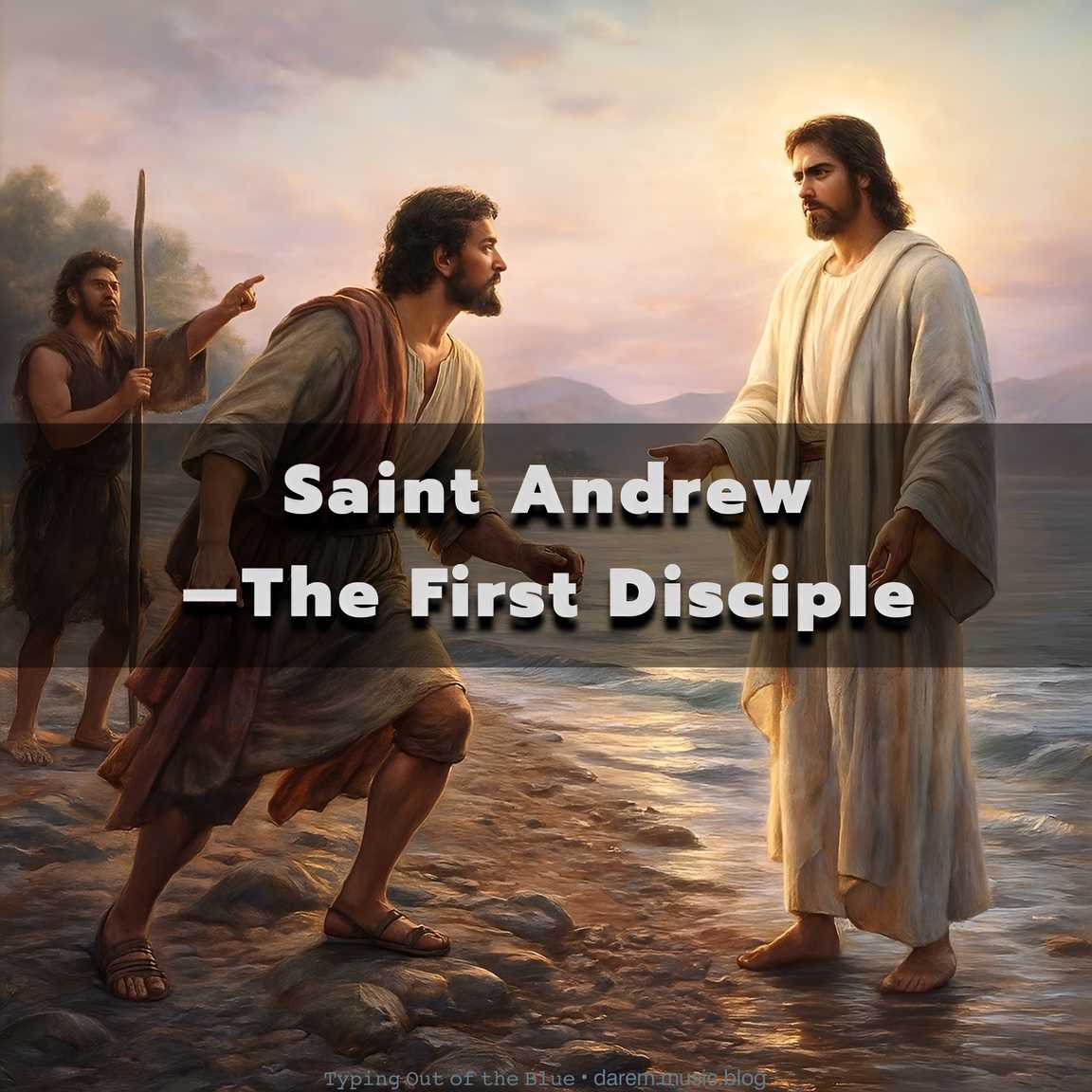
Saint Andrew—The First Disciple

He followed truth the moment he saw it—guiding others with steady steps and shaping a mission that began quietly.

Andrew lived by the shore in Bethsaida, where days began with the sound of water and the weight of fishing nets. He worked alongside his brother Simon, later known as Peter. Their life was simple, steady, and honest—built on effort and patience.

He listened to John the Baptist with genuine interest. Something in John’s voice carried a clear direction. When John pointed to Jesus with full certainty, Andrew understood the moment immediately. He followed Jesus, becoming the first disciple, guided by a heart ready for truth.

Andrew had a natural way of leading others toward what he discovered. He brought Peter to Jesus. He introduced the boy with the loaves and fish. He guided people who felt a quiet pull toward something higher. His influence moved through personal connections, one life at a time.

After Jesus’ Ascension, Andrew traveled across distant lands—Scythia, Greece, and regions far from his home by the sea. Each place was different, yet he carried the same calm mission everywhere he went. He shared the Gospel with steady courage, meeting people with openness and sincerity.

His final chapter unfolded in Patras, where he was sentenced to crucifixion for his preaching. Out of deep humility, he chose an X-shaped cross. They tied him to it, and even in those final hours, he continued speaking with strength, offering encouragement to the people gathered around him.

Today he is honored as Saint Andrew, patron of Scotland, Russia, Greece, and all who make their living by the water. His life shows how faith can move quietly but powerfully—through clear steps, honest intentions, and a heart that keeps guiding others toward hope.

Andrew leaves a simple truth behind him. Being the first disciple wasn’t about being ahead—it was about carrying the mission with a steady heart. He showed how real change often starts quietly—through sincere steps, through guiding one person at a time and through letting light move through ordinary moments. That kind of beginning shapes everything that follows.

⌨ ᴛʸᵖⁱⁿᵍ ᴏᵘᵗ ᵒᶠ ᵗʰᵉ ʙˡᵘᵉ ᵈᵃʳᵉᵐ ᵐᵘˢⁱᶜ ᵇˡᵒᵍ
Traces of courage, silence, and sacrifice—this is Saints.

Listen on Apple Music, Apple Music Classical, and YouTube Music
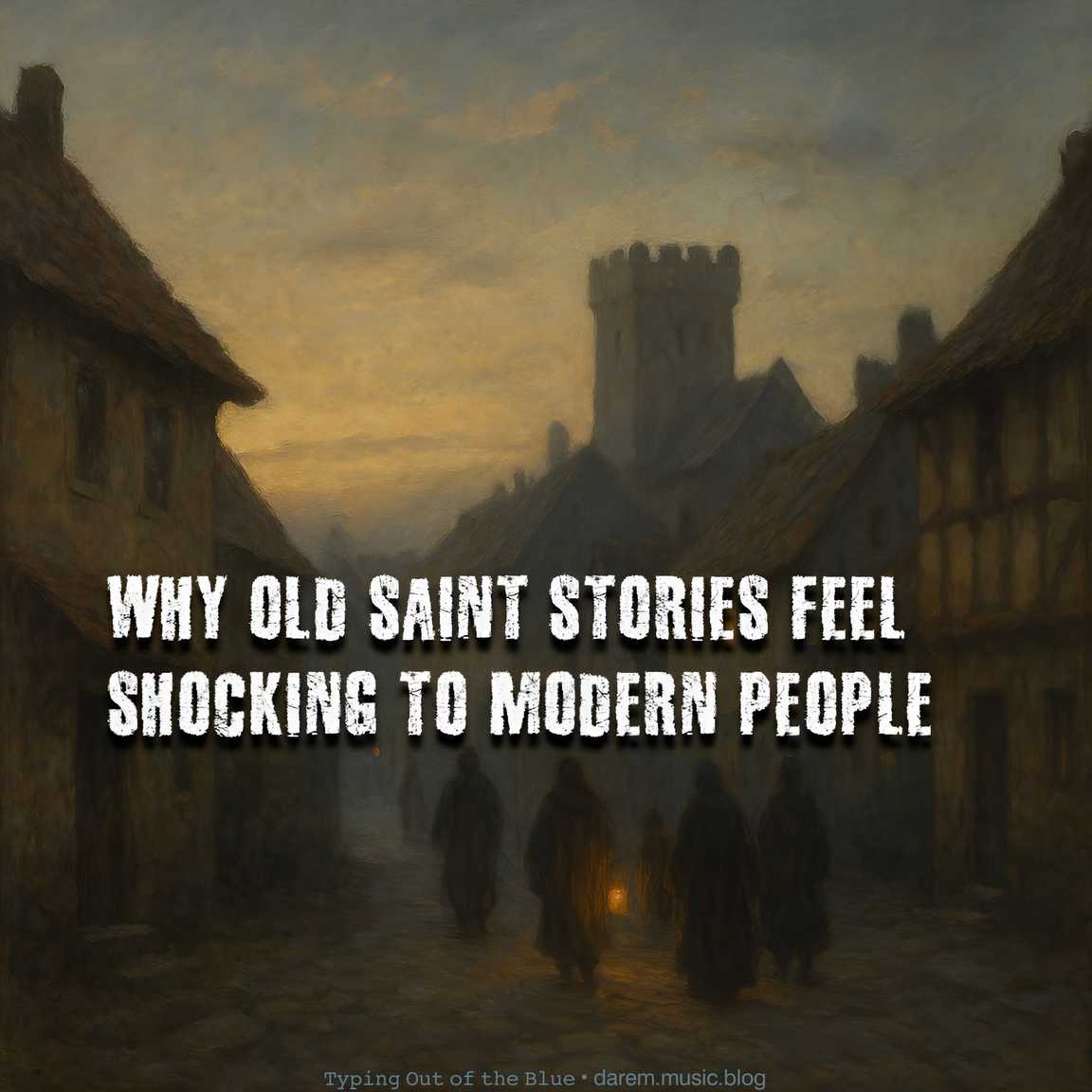
Why Old Saint Stories Feel Shocking to Modern People

Their world was different from ours—tense, fearful, and easily shaken.

Modern readers often open a story about a saint and feel surprised. The punishments seem extreme. The reactions seem excessive. Everything feels too harsh for the small actions being described.

But once you understand the world they lived in, the whole thing starts to make sense.

Long ago, religion wasn’t just a belief you practiced quietly at home. It was the backbone of a kingdom. The faith of the ruler was expected to be the faith of the entire country. That wasn’t about prayer—it was about loyalty.

If someone followed a different belief, rulers didn’t think, “This person has a different spiritual path.”They thought, “This person might follow a different leader.”

And that fear shaped everything.

Kingdoms were fragile. Power was unstable. A change in belief could look like a sign of rebellion. Even a calm, gentle priest visiting a family could appear dangerous to a paranoid ruler who feared losing control.

At the same time, the Church was still growing into itself. Teachings were developing. Rules were still being shaped. Leaders were learning as they went. There were beautiful moments, but also mistakes, conflicts, and scandals. Big institutions never form cleanly—they grow through chaos before they find stability.

Rulers responded to all this with harshness. They created strict laws. They punished quickly. They reacted out of fear more than reason. To them, it wasn’t about attacking faith. It was about protecting the throne.

Ordinary people lived inside that same tension. Religion wasn’t private. It defined identity, family, community, and national loyalty. Changing your religion wasn’t just a personal choice—it had political meaning.

Today, everything looks different. We have freedom of belief. Governments don’t rely on religion for stability. Human rights protect people from the punishments that were once considered normal. The Church itself has matured—more peaceful, more structured, wiser through experience.

So when we read old saint stories now, they feel shocking because we live in a quieter world.

They lived in a world built on fear, power struggles, and survival.

That’s why their courage stands out. Their faith didn’t grow in comfort—it grew in a time when the world was sharp, unstable, and easily threatened.

⌨ ᴛʸᵖⁱⁿᵍ ᴏᵘᵗ ᵒᶠ ᵗʰᵉ ʙˡᵘᵉ ᵈᵃʳᵉᵐ ᵐᵘˢⁱᶜ ᵇˡᵒᵍ

Traces of courage, silence, and sacrifice—this is Saints.

Listen on Apple Music, Apple Music Classical, and YouTube Music