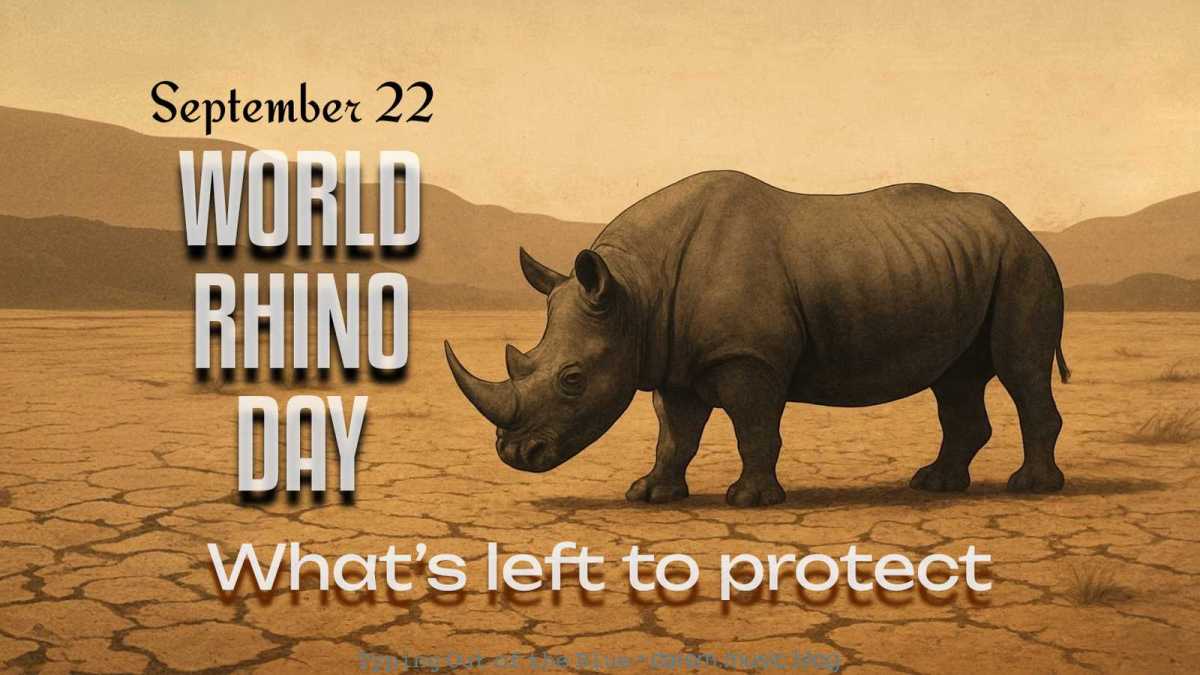
What’s left to protect
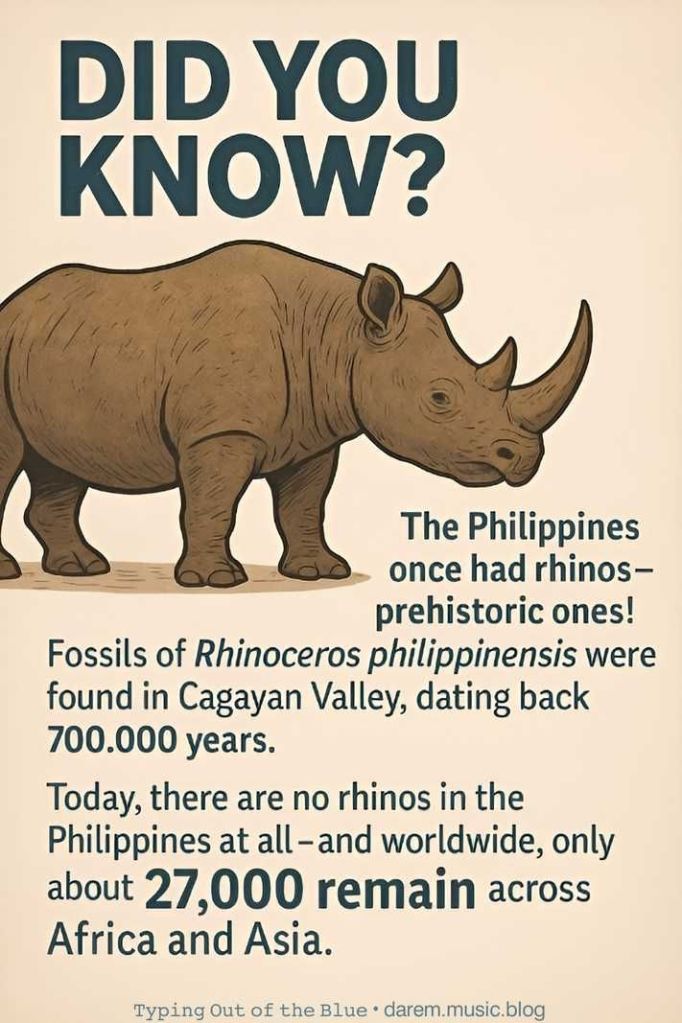
In the early 1900s, there were about 500,000 rhinos in Africa and Asia. Today, barely 27,000 remain.
Why the decline?
• Illegal hunting for horns – the biggest driver of decline
• Habitat loss – due to farming, logging, and expanding human settlements
• Illegal wildlife trade – horns treated as luxury items or used in traditional medicine
Climate change factor
• Shifts in rainfall – make it difficult for rhinos to find steady water and grazing areas
• Droughts & floods – add stress to their habitats, especially in Asia where wetlands and forests are vital
• Forest changes – critical for Sumatran and Javan rhinos, which depend on dense tropical forests sensitive to climate shifts
Climate change may not have caused the massive drop from 500,000 to 27,000, but it makes survival even harder for the remaining few.
World Rhino Day, marked every September 22, is a reminder of how close these giants are to disappearing. Four of the five species are threatened, with the Javan and Sumatran rhinos down to fewer than 150 combined.
Saving rhinos means saving their habitats—and countless other species with them. Awareness, protection, and action are the only reasons some rhino populations have survived this long.
If half a million could fall to 27,000 in just over a century, the fight to protect what’s left can’t wait.
ᴛʸᵖⁱⁿᵍ ᴏᵘᵗ ᵒᶠ ᵗʰᵉ ʙˡᵘᵉ ᵈᵃʳᵉᵐ ᵐᵘˢⁱᶜ ᵇˡᵒᵍ
