Continue reading “Stories of Saints Joachim and Anne with the Young Mary”
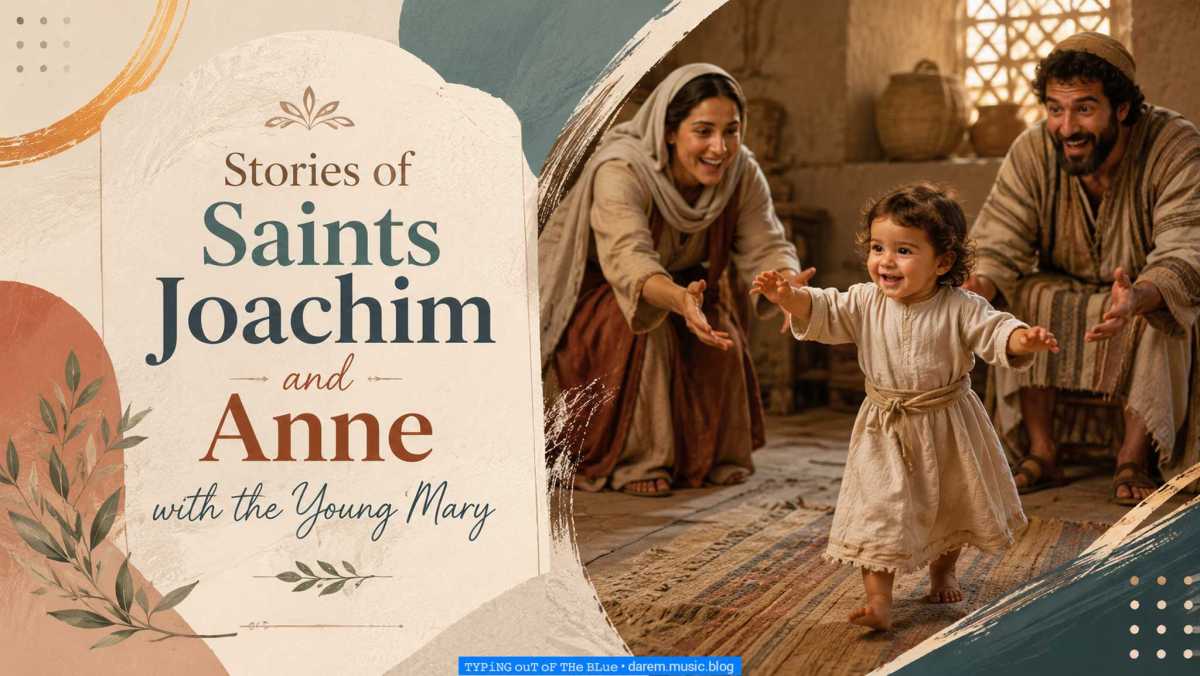
Stories of Saints Joachim and Anne with the Young Mary
Behind an ancient tradition are small moments of faith, parenthood, and difficult choices.

Behind an ancient tradition are small moments of faith, parenthood, and difficult choices.
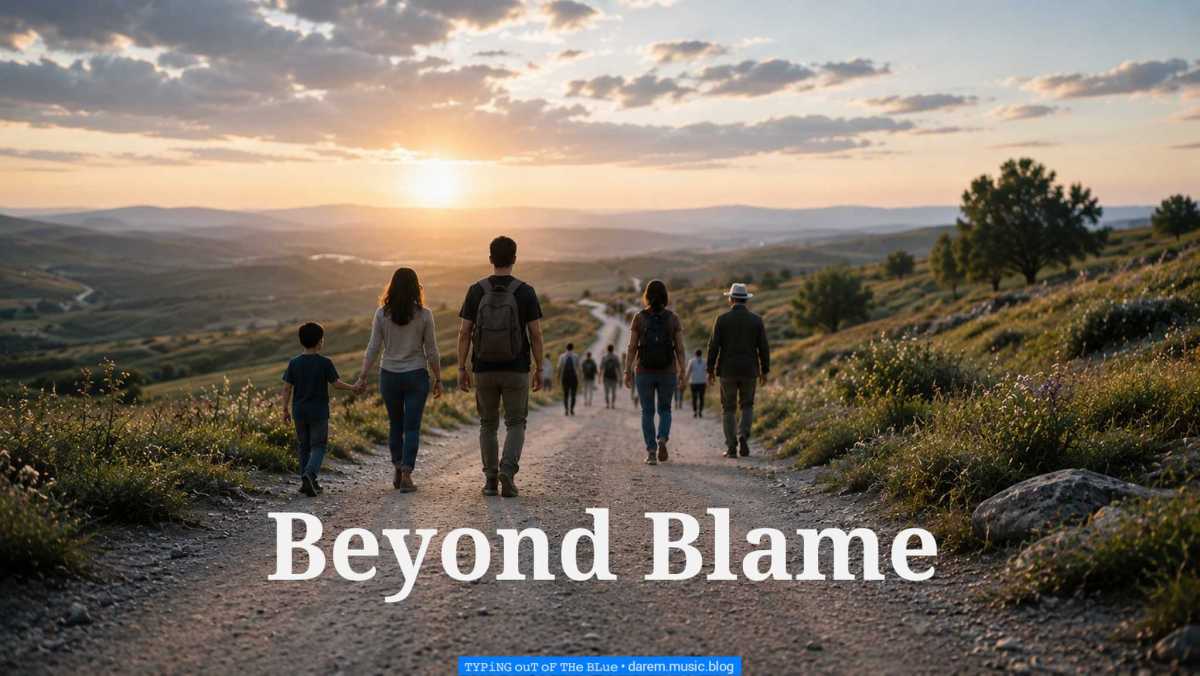
Life is rarely shaped by a single person or a single moment.
When we face struggles in life, we sometimes look for one person or one reason to explain everything. Maybe a narcissistic parent, a parent who often made everything about themselves and wanted things their way. Maybe a parent who was often angry or controlling. Maybe a parent who did not listen or understand.
Parents can affect us deeply. But our lives are usually shaped by many things, not just one person. We grow through many people and many experiences.
These can include:
• Our own personality and temperament
• Our relationship with other parents or guardians
• Brothers, sisters, and relatives
• Friends and classmates
• Teachers and the school environment
• The community and culture around us
• Family finances and living conditions
• Successes, failures, and opportunities in life
• Genetics and biological factors
Two children can grow up in the same home and still become very different people. One may struggle for a time. One may recover and thrive. One may carry painful memories. One may find strength in unexpected places.
Parents are important, but they are not the whole story. Life is not as simple as:
“Bad parent = bad outcome.”
People are more complex and more flexible than that.
If we spend all our time asking, “Whose fault is this?” we may miss the more important question:
“What can we do from here?”
Here are some ways we can move forward:
• Learn from the past, but do not let it be the only thing that defines us.
• Keep the good things we received and leave behind the things that hurt us or others.
• Build healthy friendships and relationships.
• Ask for help when we need it.
• Make choices that lead us toward a better future.
Our past may shape us, but it does not completely decide who we will become.
And our story is still being written.
⌨ ᴛʸᵖⁱⁿᵍ ᴏᵘᵗ ᵒᶠ ᵗʰᵉ ʙˡᵘᵉ ᵈᵃʳᵉᵐ ᵐᵘˢⁱᶜ ᵇˡᵒᵍ