🎹 Pope Saint John Paul II and the Night He Played the Piano

In wartime silence, a young man found courage in music—playing what the world tried to silence.

It was 1941 in Kraków, Poland.

World War II was at its worst.

Young Karol Wojtyła, only 21 years old, worked all day in a stone quarry under Nazi rule. It was heavy, painful work—but it helped him survive and avoid being taken to Germany.

At night, he would quietly walk to a friend’s house where an old piano waited. There, with only a small candle for light, he played Chopin—his favorite Polish composer.

Music was forbidden then. Any form of Polish art could get you arrested. But for Karol, playing was not just about music. It was about keeping his country’s soul alive.

One night, while he was playing a Chopin Nocturne, they heard German soldiers walking outside. Everyone froze. His friend whispered, “Stop, they might hear you.”

But Karol kept playing—very softly. The melody faded like a prayer. The soldiers passed. Nobody was caught.

After that, he told his friends, “Beauty can save.”

He believed that art, truth, and faith could survive even in a world filled with fear.

Years later, the same young man became Pope John Paul II—a leader who never forgot that night.

He would often say that music and faith are both languages of the soul—and both can bring hope where there is none.

Inspired by real events from Karol Wojtyła’s early life

⌨ ᴛʸᵖⁱⁿᵍ ᴏᵘᵗ ᵒᶠ ᵗʰᵉ ʙˡᵘᵉ ᵈᵃʳᵉᵐ ᵐᵘˢⁱᶜ ᵇˡᵒᵍ
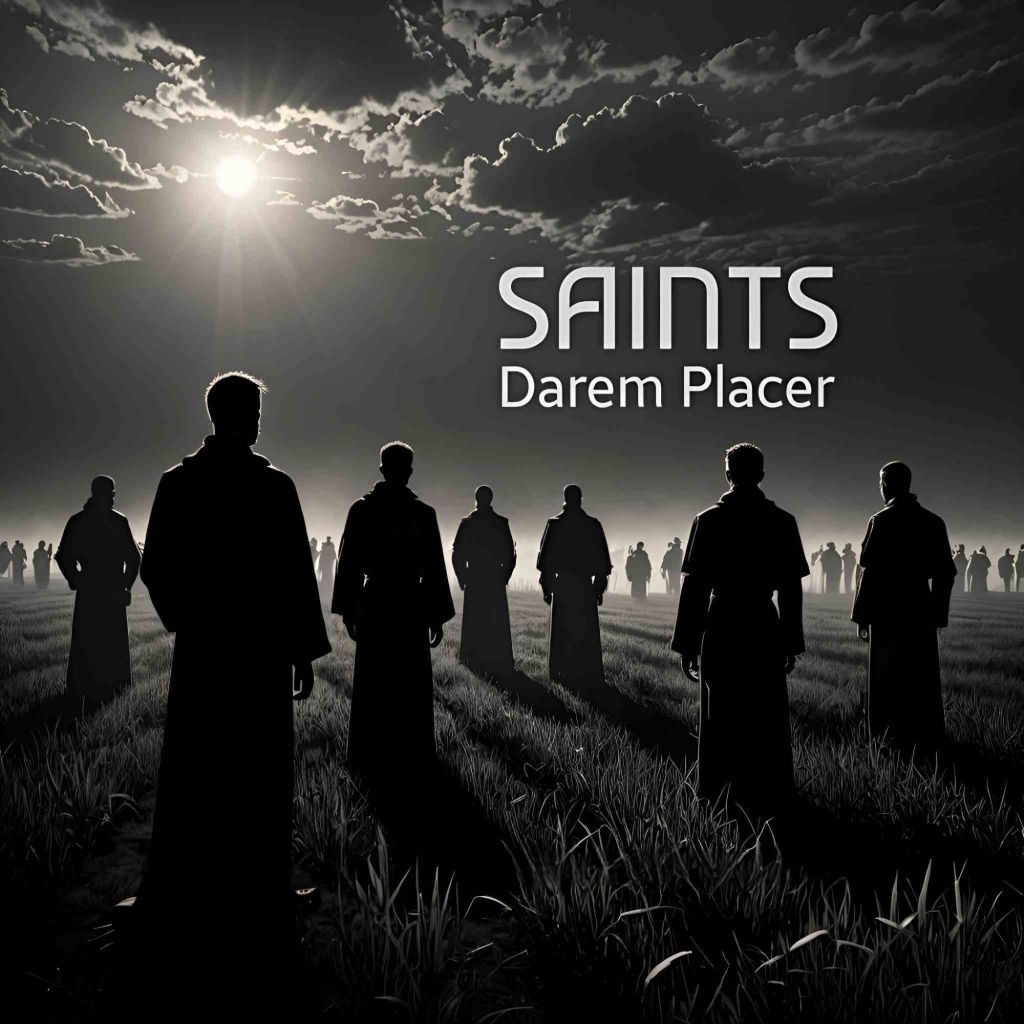
Traces of courage, silence, and sacrifice—this is Saints.

Listen on Apple Music, Apple Music Classical, and YouTube Music
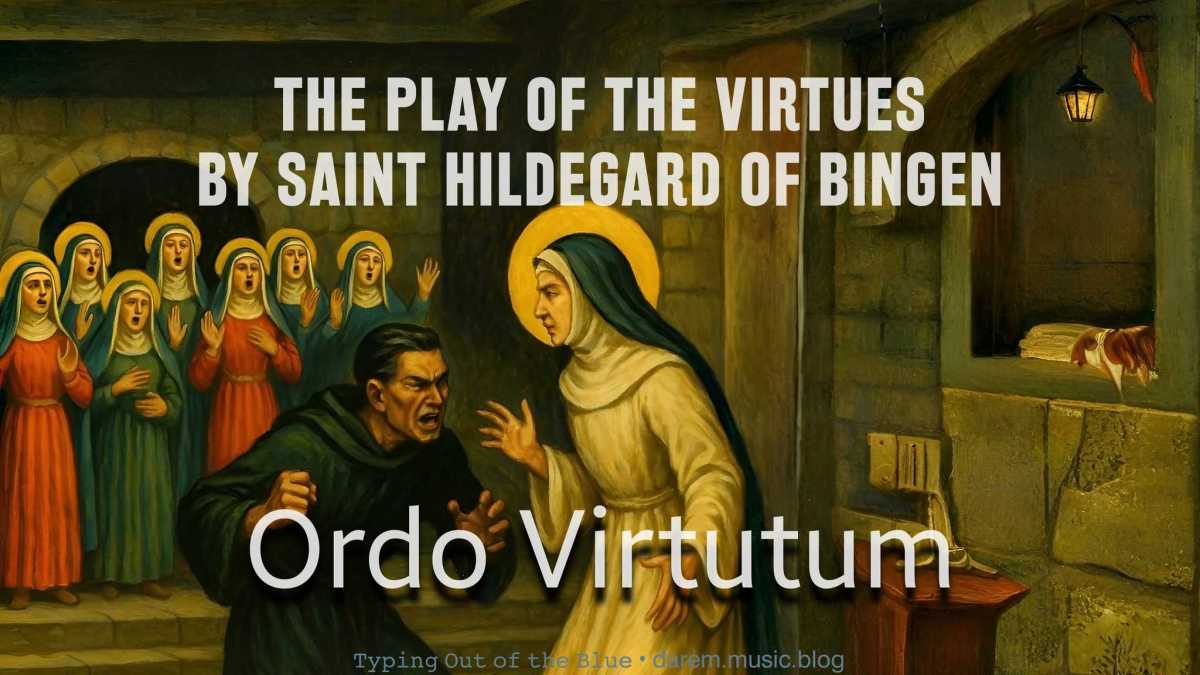
Ordo Virtutum

Not all voices can join the music. And in that silence, the story finds its sharpest truth.

The Play of the Virtues by Saint Hildegard of Bingen (A short retelling)

There’s this Soul. She’s hanging with the Virtues—Humility, Charity, Patience—the good crowd. They’re all singing together, and it’s not just music, it’s like the whole vibe of heaven. Everything clicks.

Then the Devil shows up. And here’s the funny part: he can’t sing. Not a single note. He just yells, spits promises, tries to sound cool. “Come with me, I’ve got freedom, I’ve got pleasure.” But it’s all noise. No rhythm, no tune.

The Soul falls for it. Steps out of the harmony, follows the noise. For a while, she thinks she’s winning. But the deeper she goes, the more empty it gets. Just chains. No beat.

Finally, she snaps out of it. “I wanna go back.”

The Virtues don’t shame her. They don’t say, “Told you.” They just welcome her back, and their music rises again. Stronger this time, bright enough to drown out the Devil’s noise. He rages, but he’s powerless—because noise can’t beat music.

And that’s how it ends: the Soul restored, the harmony alive, and the Devil stuck in silence.

Evil makes noise. Love makes music. You decide which crowd you wanna jam with.

We remember Saint Hildegard not only through her memorial on September 17, but also through her play that still sings of mercy and truth.

ᴛʸᵖⁱⁿᵍ ᴏᵘᵗ ᵒᶠ ᵗʰᵉ ʙˡᵘᵉ ᵈᵃʳᵉᵐ ᵐᵘˢⁱᶜ ᵇˡᵒᵍ

Written around 1151, Ordo Virtutum remains the earliest known morality drama with music.

WATCH: A full staged performance of Ordo Virtutum by Saint Hildegard of Bingen. Performed live at St. John’s Cathedral, Los Angeles, directed by Patricia McKee, Katina Mitchell, and Ned Tipton.