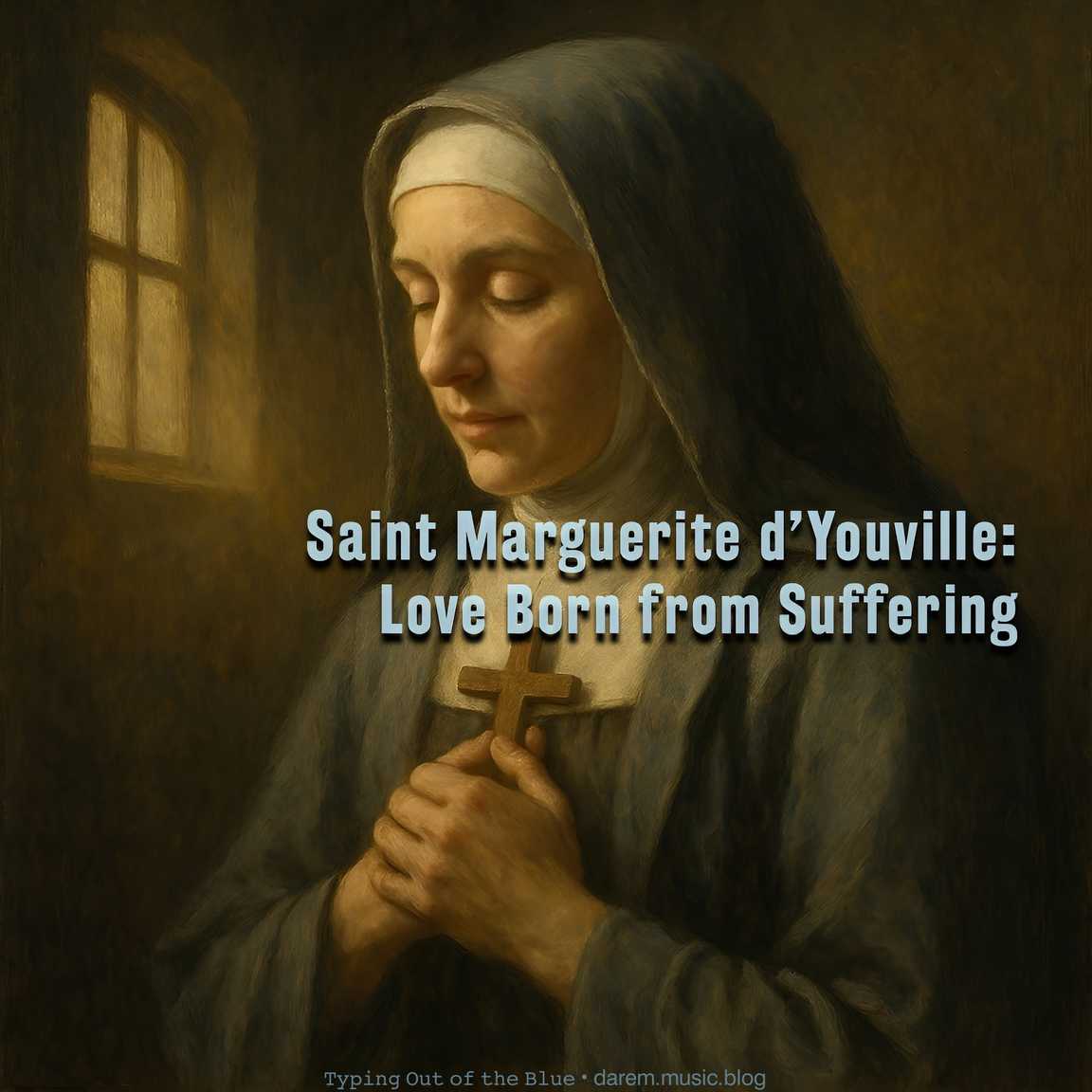
Marguerite was born in 1701 in Varennes, Canada. Her childhood was peaceful—until her father died and her family sank into poverty. At twelve, she promised God she would live for others. But life wasn’t kind.
She married a man who turned out to be cruel, dishonest, and deep in the liquor trade. He left her with debts and heartbreak. Two of her six children died young. When her husband finally passed away, Marguerite was only twenty-eight—widowed, poor, and judged by society. People whispered, mocked, even called her cursed.
But pain has a strange way of waking love. Instead of drowning in bitterness, she turned her sorrow into service. She began helping the poor and the sick in Montreal, and soon a few women joined her. In 1737, they made private vows to serve God and the poor. Years later, their mission was officially recognized by the Church, and Marguerite—now Mother d’Youville—became a true nun leading the Sisters of Charity of Montreal, known as the Grey Nuns.
When the hospital they ran burned down, Marguerite didn’t give up. She knelt among the ashes, sang hymns, and started again. Her heart refused to quit, even when the world did.
Years later, she became known as the Mother of Universal Charity—not because her life was easy, but because she loved through pain.
And maybe that’s the real miracle of Saint Marguerite d’Youville: not the healing of bodies, but the healing of hearts that once thought they were too broken to love again.
⌨ ᴛʸᵖⁱⁿᵍ ᴏᵘᵗ ᵒᶠ ᵗʰᵉ ʙˡᵘᵉ ᵈᵃʳᵉᵐ ᵐᵘˢⁱᶜ ᵇˡᵒᵍ

Listen on Apple Music, Apple Music Classical, and YouTube Music
