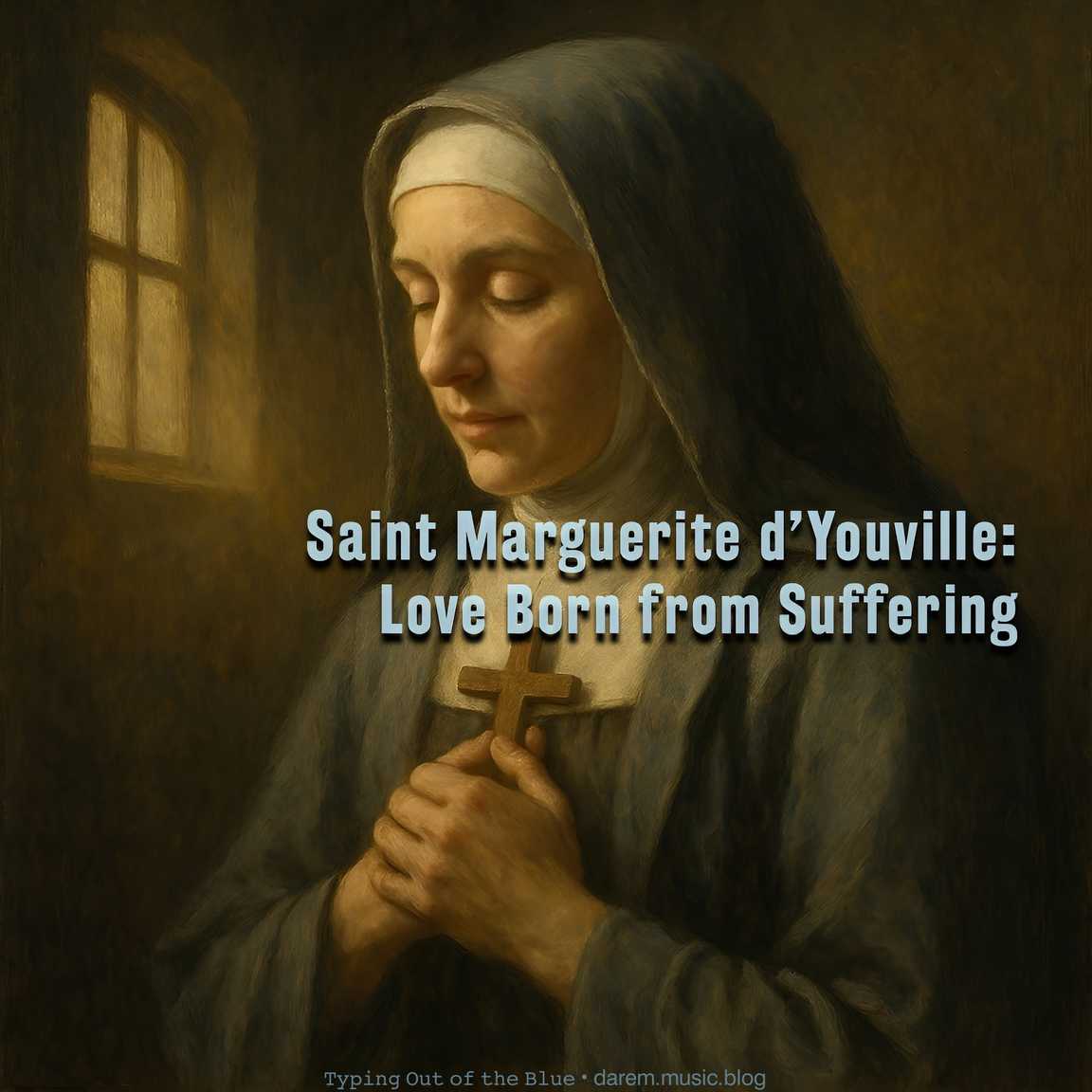
Saint Marguerite d’Youville: Love Born from Suffering

She lost almost everything—but found a love big enough to rebuild the ashes of her life into light.

Marguerite was born in 1701 in Varennes, Canada. Her childhood was peaceful—until her father died and her family sank into poverty. At twelve, she promised God she would live for others. But life wasn’t kind.

She married a man who turned out to be cruel, dishonest, and deep in the liquor trade. He left her with debts and heartbreak. Two of her six children died young. When her husband finally passed away, Marguerite was only twenty-eight—widowed, poor, and judged by society. People whispered, mocked, even called her cursed.

But pain has a strange way of waking love. Instead of drowning in bitterness, she turned her sorrow into service. She began helping the poor and the sick in Montreal, and soon a few women joined her. In 1737, they made private vows to serve God and the poor. Years later, their mission was officially recognized by the Church, and Marguerite—now Mother d’Youville—became a true nun leading the Sisters of Charity of Montreal, known as the Grey Nuns.

When the hospital they ran burned down, Marguerite didn’t give up. She knelt among the ashes, sang hymns, and started again. Her heart refused to quit, even when the world did.

Years later, she became known as the Mother of Universal Charity—not because her life was easy, but because she loved through pain.

And maybe that’s the real miracle of Saint Marguerite d’Youville: not the healing of bodies, but the healing of hearts that once thought they were too broken to love again.

⌨ ᴛʸᵖⁱⁿᵍ ᴏᵘᵗ ᵒᶠ ᵗʰᵉ ʙˡᵘᵉ ᵈᵃʳᵉᵐ ᵐᵘˢⁱᶜ ᵇˡᵒᵍ
Traces of courage, silence, and sacrifice—this is Saints.

Listen on Apple Music, Apple Music Classical, and YouTube Music
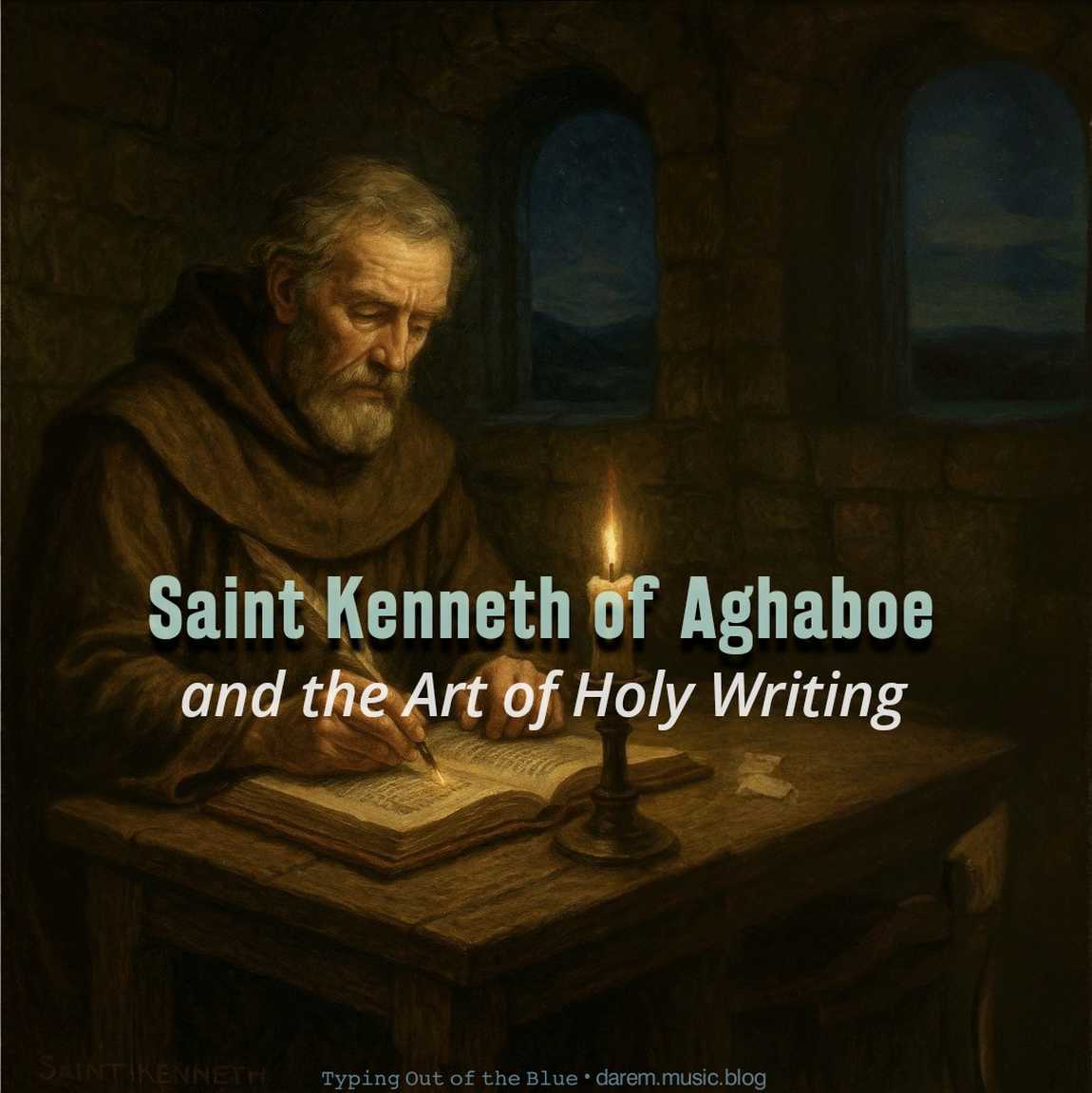
Saint Kenneth of Aghaboe and the Art of Holy Writing

In candlelight and silence, a monk’s pen kept faith alive—each word a prayer, each page a light that never faded.

In the quiet light of old monasteries, words were not just read—they were born again through hands like those of Saint Kenneth of Aghaboe.

He lived in the 6th century, when books were rare and paper was precious. Each page was made of parchment, and every letter was written by candlelight. Father Kenneth was one of the few who mastered the art of copying sacred texts—not for fame, but for faith.

To him, writing was prayer in motion.

Each stroke of ink was a whisper to God.

Each page was a bridge between heaven and earth.

He and his fellow monks would spend long hours bent over Scripture—repeating the same holy words until they lived inside their hearts. They copied the Gospels, psalms, and teachings of the saints. And when a book was finished, it was not sold. It was shared—sent to another monastery, another place of silence and hope.

As a priest, Father Kenneth also preached to those who could not read, bringing the Word alive not through pages but through presence. He carried light both in ink and in voice.

Through his steady hands, the Word of God reached new lands.

Through his calm patience, wisdom was preserved when the world outside was full of wars and forgetting.

That’s how Saint Kenneth became more than a monk—he became a keeper of light, ensuring that even one small candle of knowledge would never die out.

⌨ ᴛʸᵖⁱⁿᵍ ᴏᵘᵗ ᵒᶠ ᵗʰᵉ ʙˡᵘᵉ ᵈᵃʳᵉᵐ ᵐᵘˢⁱᶜ ᵇˡᵒᵍ

Traces of courage, silence, and sacrifice—this is Saints.

Listen on Apple Music, Apple Music Classical, and YouTube Music