When faith met war, the Rosary became more than prayer—it became the calm behind every storm.
Our Lady of the Rosary’s Victory
In 1571, during the Battle of Lepanto, Christian forces faced a powerful Ottoman fleet. Pope Pius V called everyone to pray the Rosary for protection—and against all odds, the Christian side triumphed. The victory was credited to Mary’s intercession, and October 7 was declared the Feast of Our Lady of Victory, later renamed the Feast of Our Lady of the Rosary.
More than a story of war, it became a story of faith. The Rosary turned from simple beads into a symbol of trust, courage, and unity. Through it, generations learned that peace isn’t found in strength or silence—it’s found in prayer. The Rosary isn’t just prayed—it’s lived, one mystery at a time.
In a Church ruled by power, one priest found a holier answer that no authority could silence.
In the medieval Church, many became priests not because of calling, but ambition. In those times—especially in 10th to 11th century Europe—being a bishop or archbishop meant power, land, and money. It wasn’t just about faith anymore; it was status, like being a lord who ruled over people.
One of them was Archbishop Manasses II of Reims, France. He lived like a ruler, not a servant of God. He sold positions in the Church, took bribes, and used Church money for himself. Anyone who spoke against him was punished.
But not everyone stayed silent. Father Bruno, known for his honesty and intelligence, stood against Archbishop Manasses’ corruption and helped push for his removal. The archbishop was later excommunicated, but before leaving, he sent soldiers to loot church property and hunt down his critics.
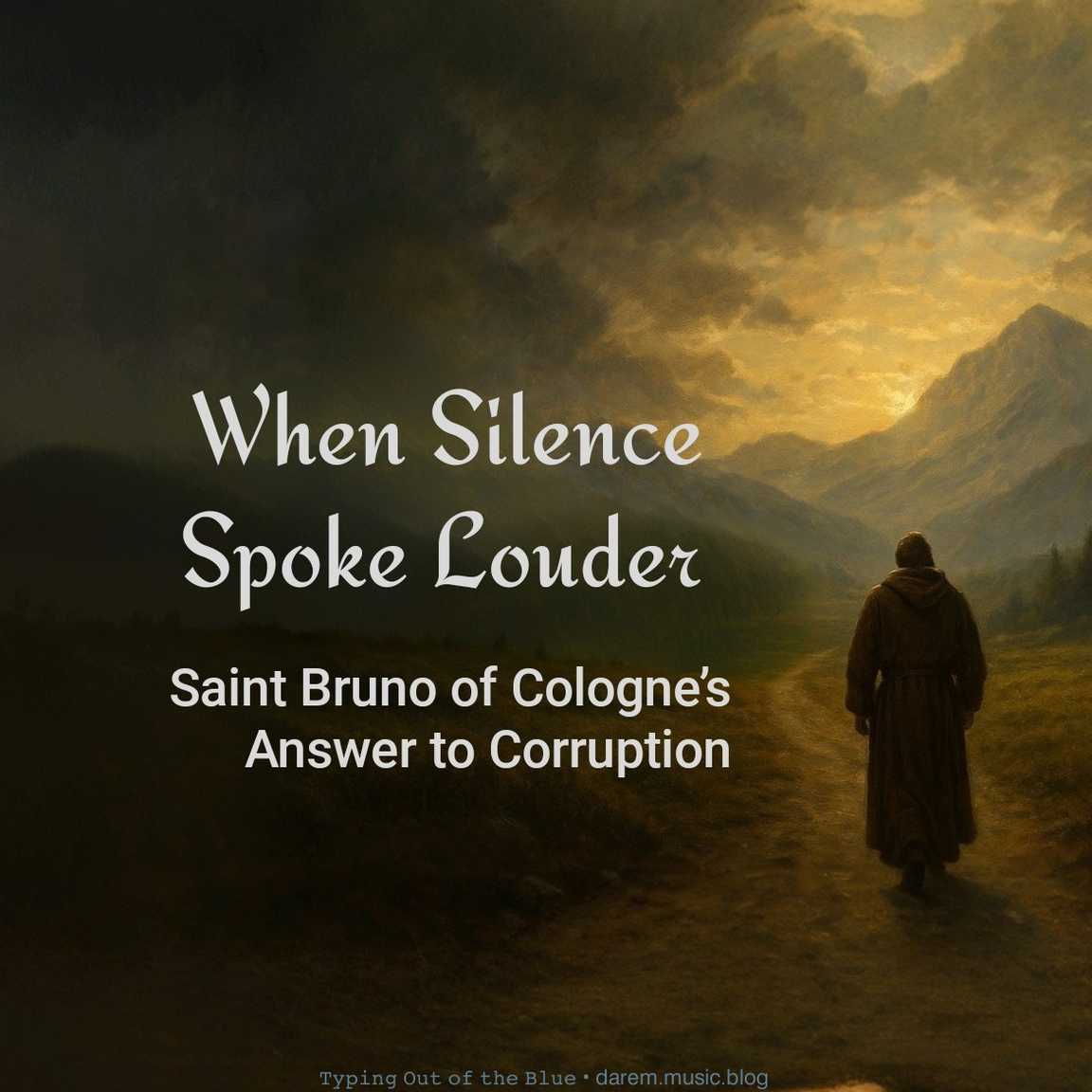
Reims was left in turmoil. A new archbishop later took over and tried to bring back order, but many priests were still difficult to deal with, and people had begun to lose their trust in the Church. Seeing how pride and politics had poisoned faith, Father Bruno chose a different path. Instead of fighting back with power, he walked away. He chose silence over argument.
With a few companions, he went to the Chartreuse Mountains in France. There they lived simply—each man in his small hut, praying, working, and staying close to God. This quiet beginning became the Carthusian Order, a life of prayer, humility, and solitude.
In time, the Church he left behind in Reims slowly healed. Reform took root, and new leaders rose who lived with integrity.
Meanwhile, Father Bruno continued his mission of renewal in silence—showing that faith doesn’t need power to change the world.
After all, why keep drinking from a cup full of cracks when you can still drink the same water from one that’s whole?