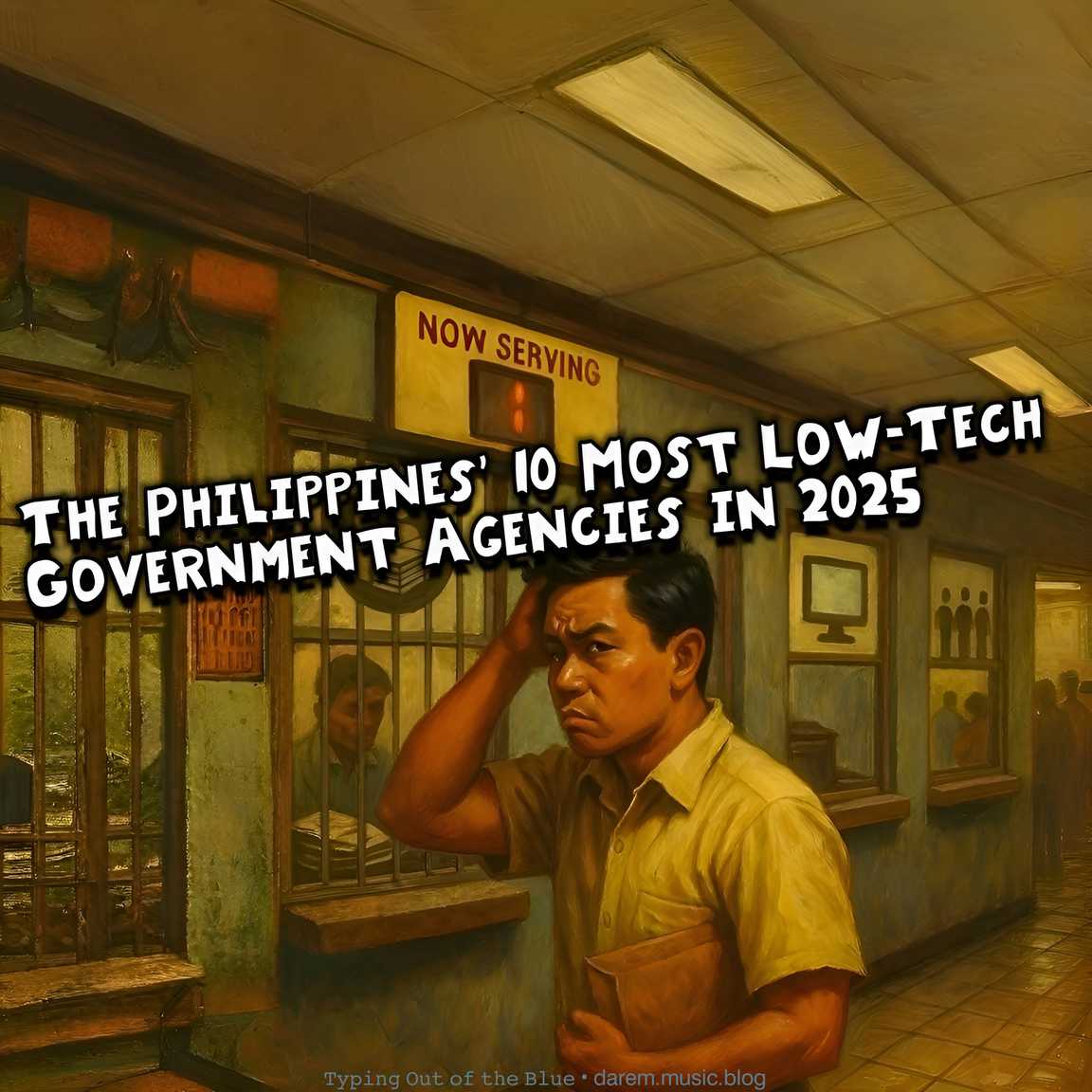
Even with the push for digital transformation, many government services in the Philippines still rely on old systems and manual processes. This list highlights the agencies most often described as “low-tech” by the public in 2025, with reasons grounded in real user experience, nationwide sentiment, and documented system issues.
1. Bureau of Internal Revenue (BIR)
Why it feels low-tech:
• eBIRForms still uses outdated software
• Many updates and corrections require in-person visits to the RDO
• System confirmation emails are unreliable
• Printing physical copies remains the “safe” method
Based on:
Accountant forums, small business groups, tax discussions, and consistent 2023–2025 user complaints across online communities.
Parang love life—sa huli, papel pa rin ang kailangan. 🤭
2. PhilHealth
Why it feels low-tech:
• Identity mismatches are common
• Online updating is extremely limited
• Most verification tasks still require branch visits
• PhilSys integration is incomplete
Based on:
User feedback on PhilHealth Check, YAKAP verification issues, and recurring nationwide reports after the 2024–2025 profile inconsistencies.
Identity mismatch? Sana tao lang, hindi system. 🤣
3. Land Transportation Office (LTO)
Why it feels low-tech:
• LTMS portal exists but does not cover everything
• Biometrics and verification still require physical presence
• System outages and slowdowns remain common
Based on:
Driver renewal experiences, plate-release discussions, and multiple reports of offline systems.
Online portal daw… pero parang stoplight—lagi ring naka-red. 🙃
4. National Bureau of Investigation (NBI)
Why it feels low-tech:
• Clearance system still experiences downtime
• Biometric tools rely on fragile infrastructure
• Service interruptions affect nationwide operations
Based on:
Clearance applicants’ reports, online appointment feedback, and system outage notes from 2023–2025.
Clearance release: depende sa alignment ng planets. 😅
5. Department of Foreign Affairs (DFA)
Why it feels low-tech:
• Appointment system is modern but relies on manual checks
• Document verification still follows a hybrid workflow
Based on:
Passport renewal experiences, travel community feedback, and service observations from 2023–2025.
Fast lane? Pwede. Pero may manual lane pa ring laging bukas. 😏
6. Pag-IBIG Fund
Why it feels low-tech (even with improvements):
• Virtual Pag-IBIG works, but not for all services
• Some branches still require personal appearances
Based on:
Loan processing reviews, MP2 discussions, and user feedback on digital service gaps.
Modern na sana… pero may “pumunta po kayo sa branch” plot twist pa rin. 😆
7. Social Security System (SSS)
Why it feels low-tech:
• The My.SSS portal works, but not consistently
• Individual members must generate a Payment Reference Number (PRN) every time they contribute
• Payments are rejected without a PRN, even if the member already knows their SSS number
• Profile mismatches and special cases still require branch visits
• Occasional system downtime persists
Based on:
Member forums, PRN-related complaints, customer service reports, and verified portal issues across 2023–2025.
Alam mo na SSS number mo, pero PRN pa rin ang bida—parang supporting actor na nag-take over. 🤦♂️
8. Commission on Elections (COMELEC)
Why it feels low-tech:
• Voter registration remains manual-heavy
• Digital tools exist but lack consistent nationwide rollout
Based on:
Election season experiences, volunteer observations, and feedback from local government channels.
Biometrics na, pero sinulat pa rin ang pangalan mo sa papel. 😬
9. Local Government Units (LGUs)
Why it feels low-tech (varies by city):
• Some cities are modern, others still operate fully manually
• No unified national standard for digital services
Based on:
City-to-city comparisons, barangay transaction reports, and governance reviews.
Digital kung digital—pero depende sa zip code. 🤷♂️
10. Philippine Postal Corporation (Post Office)
Why it feels low-tech:
• Tracking is partially digital but not always updated
• Delivery timelines are inconsistent
• Sorting and verification remain manual
Based on:
Customer reviews, logistics discussions, and comparison with private couriers.
Tracking number? Suggestion lang minsan, hindi promise. 😌
A Final Note on the National ID
When the PhilSys National ID was introduced in 2021, many people believed it would finally cut through red tape and unify identity checks across all agencies. In reality, the system is still rolling out, and most government databases are not fully connected to it. Because of this gap, the National ID has not yet delivered the seamless experience many expected. Instead of reducing the number of IDs people carry, it often ends up sitting in the wallet with the others—useful in theory, but not fully integrated in practice.
Pinakapal lang ang wallet na walang lamang pera! 😁
⌨ ᴛʸᵖⁱⁿᵍ ᴏᵘᵗ ᵒᶠ ᵗʰᵉ ʙˡᵘᵉ ᵈᵃʳᵉᵐ ᵐᵘˢⁱᶜ ᵇˡᵒᵍ
