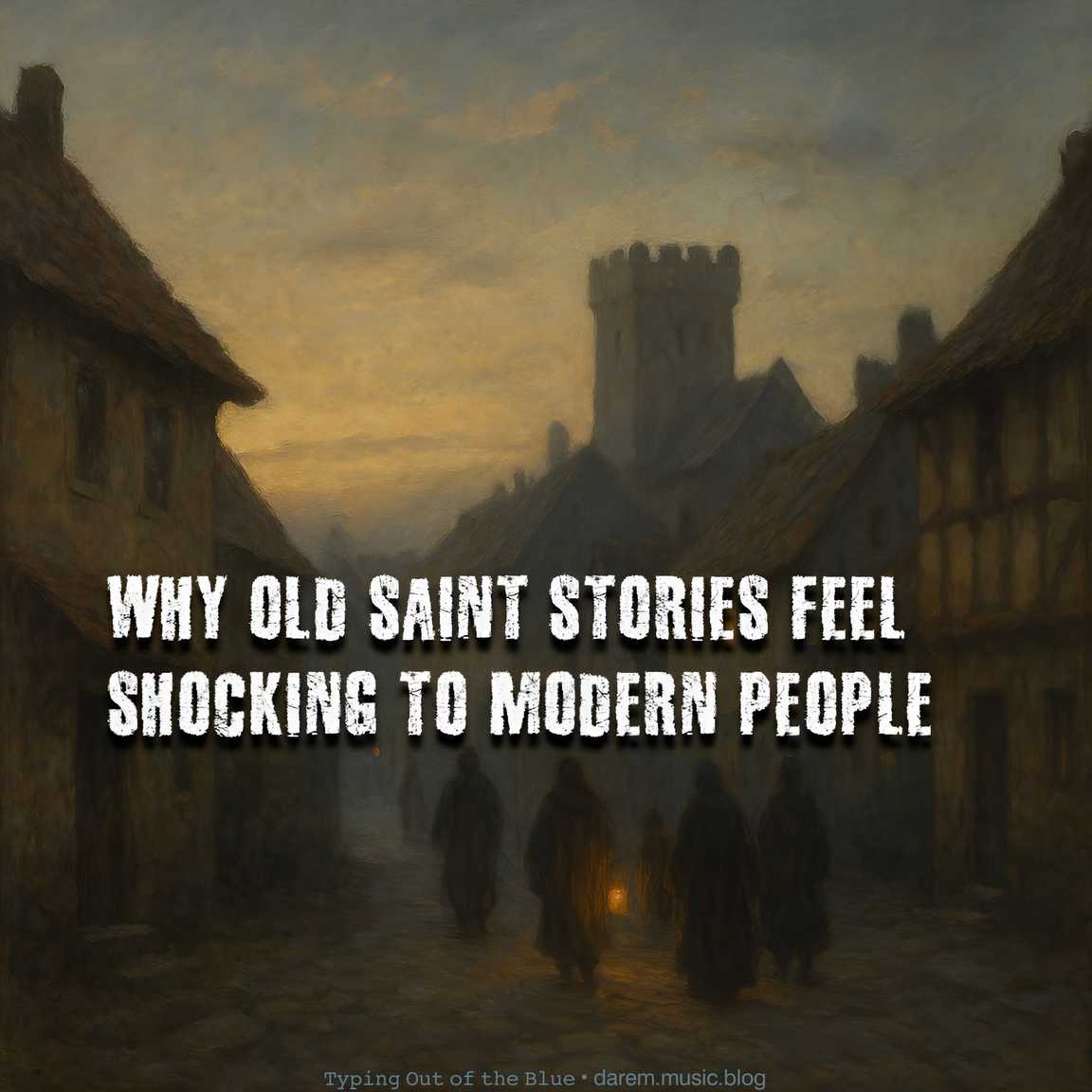
Modern readers often open a story about a saint and feel surprised. The punishments seem extreme. The reactions seem excessive. Everything feels too harsh for the small actions being described.
But once you understand the world they lived in, the whole thing starts to make sense.
Long ago, religion wasn’t just a belief you practiced quietly at home. It was the backbone of a kingdom. The faith of the ruler was expected to be the faith of the entire country. That wasn’t about prayer—it was about loyalty.
If someone followed a different belief, rulers didn’t think, “This person has a different spiritual path.”They thought, “This person might follow a different leader.”
And that fear shaped everything.
Kingdoms were fragile. Power was unstable. A change in belief could look like a sign of rebellion. Even a calm, gentle priest visiting a family could appear dangerous to a paranoid ruler who feared losing control.
At the same time, the Church was still growing into itself. Teachings were developing. Rules were still being shaped. Leaders were learning as they went. There were beautiful moments, but also mistakes, conflicts, and scandals. Big institutions never form cleanly—they grow through chaos before they find stability.
Rulers responded to all this with harshness. They created strict laws. They punished quickly. They reacted out of fear more than reason. To them, it wasn’t about attacking faith. It was about protecting the throne.
Ordinary people lived inside that same tension. Religion wasn’t private. It defined identity, family, community, and national loyalty. Changing your religion wasn’t just a personal choice—it had political meaning.
Today, everything looks different. We have freedom of belief. Governments don’t rely on religion for stability. Human rights protect people from the punishments that were once considered normal. The Church itself has matured—more peaceful, more structured, wiser through experience.
So when we read old saint stories now, they feel shocking because we live in a quieter world.
They lived in a world built on fear, power struggles, and survival.
That’s why their courage stands out. Their faith didn’t grow in comfort—it grew in a time when the world was sharp, unstable, and easily threatened.
⌨ ᴛʸᵖⁱⁿᵍ ᴏᵘᵗ ᵒᶠ ᵗʰᵉ ʙˡᵘᵉ ᵈᵃʳᵉᵐ ᵐᵘˢⁱᶜ ᵇˡᵒᵍ
Listen on Apple Music, Apple Music Classical, and YouTube Music

