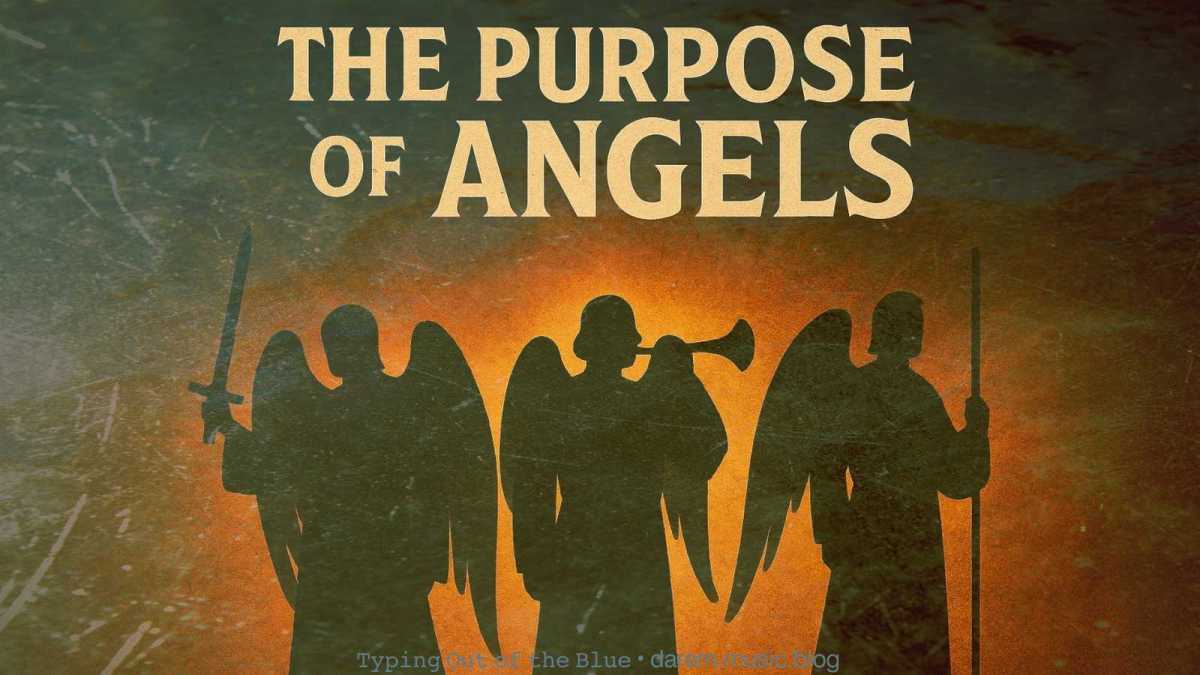
The Purpose of Angels

From ancient visions to quiet guardians today, the story of angels still speaks—mystery, strength, and healing.

From the first pages of the Old Testament, angels appear like flashes of light. They visit Abraham with a message, protect God’s people in the desert, and speak to prophets in visions. Their purpose was clear: to remind Israel that God was not far away.

In the New Testament, angels walk beside the story of Jesus. Gabriel announces His coming, a choir sings at His birth, they strengthen Him in His agony, and they proclaim His Resurrection. Their purpose was to stand as witnesses that Christ is the center of God’s plan.

Today, angels are not museum figures. They are quiet companions—guardian angels who walk with us, whisper courage when we are tempted, and carry our prayers before God. Their purpose is still the same: to connect Heaven and earth, guiding us until the last day.

But what are Archangels? They are angels with a special rank and mission, named in Scripture because of their great roles. Saint Michael defends against evil, Saint Gabriel announces God’s word, and Saint Raphael heals and guides. Through them, we see more clearly what all angels are meant to do: to keep us close to God, in strength, in truth, and in care.

🎧 Listen on YouTube: Angels EP (Complete, Gapless)

This is my own take on the angels in music form. Some names come from the Bible, others from old Jewish writings. Not doctrine—just art.

WARNING: Do not listen while driving or operating heavy machinery


Trackslist:
1. Gabriel, Micheal, Raguel, Raphael, Remiel, Saraqael and Uriel
2. Light And Guard, Rule And Guide
3. Man’s Broken Wings
4. Sky
5. The Messenger
6. War In Heaven
7. We Are Not Alone

ᴛʸᵖⁱⁿᵍ ᴏᵘᵗ ᵒᶠ ᵗʰᵉ ʙˡᵘᵉ ᵈᵃʳᵉᵐ ᵐᵘˢⁱᶜ ᵇˡᵒᵍ
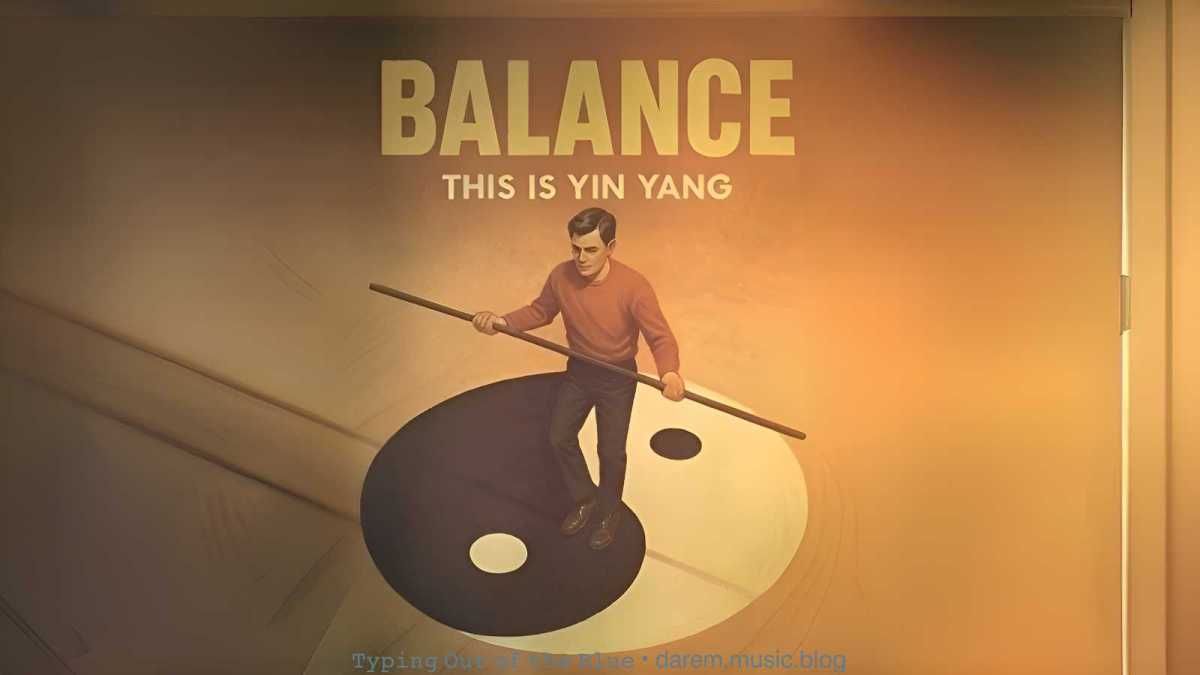
Balance

What if balance isn’t what you think it is?

This is Yin Yang

The Yin Yang symbol comes from ancient Chinese philosophy, especially Taoism, which teaches about living in harmony with the natural flow of life. But over time, a lot of people misunderstood it.

A lot of people think Yin Yang means balancing good and evil. But that’s not it. Yin Yang isn’t about morals—it’s about rhythm.

Yin and Yang are opposites, but not enemies. Yin is calm, dark, quiet, cool—like night or rest. Yang is loud, bright, active, warm—like day or motion. Neither one is better. Neither one is bad. They both need each other to work.

When life gets too quiet or too still, Yang shows up to bring movement and energy. But when things get too loud or chaotic, Yin steps in to calm things down. It’s not about canceling anything—it’s about knowing what’s missing and adjusting.

The black and white dots in the symbol mean that each side holds a bit of the other. Even in peace, there’s movement. Even in action, there’s calm.

Nothing in life is 100% one thing.
The magic is in the mix.

Yin Yang isn’t about good vs evil. Darkness doesn’t mean evil. Light doesn’t always mean good. It’s not a battle—it’s the natural flow of life.

Sometimes you rest.
Sometimes you run.
Sometimes you listen.
Sometimes you lead.

Balance isn’t about being neutral—it’s knowing what’s needed now.

Yin Yang is knowing when to speak and when to stay quiet.

When to rise and when to let go.

It’s not about being perfect—just in tune.

Note: Yin Yang is a philosophical concept from ancient Chinese thought. This article explores its idea of balance as a metaphor for rhythm in life. As Christians, we reflect on such ideas with care, always grounding ourselves in Christ, who brings true harmony and truth.

ᴛʸᵖⁱⁿᵍ ᴏᵘᵗ ᵒᶠ ᵗʰᵉ ʙˡᵘᵉ ᵈᵃʳᵉᵐ ᵐᵘˢⁱᶜ ᵇˡᵒᵍ
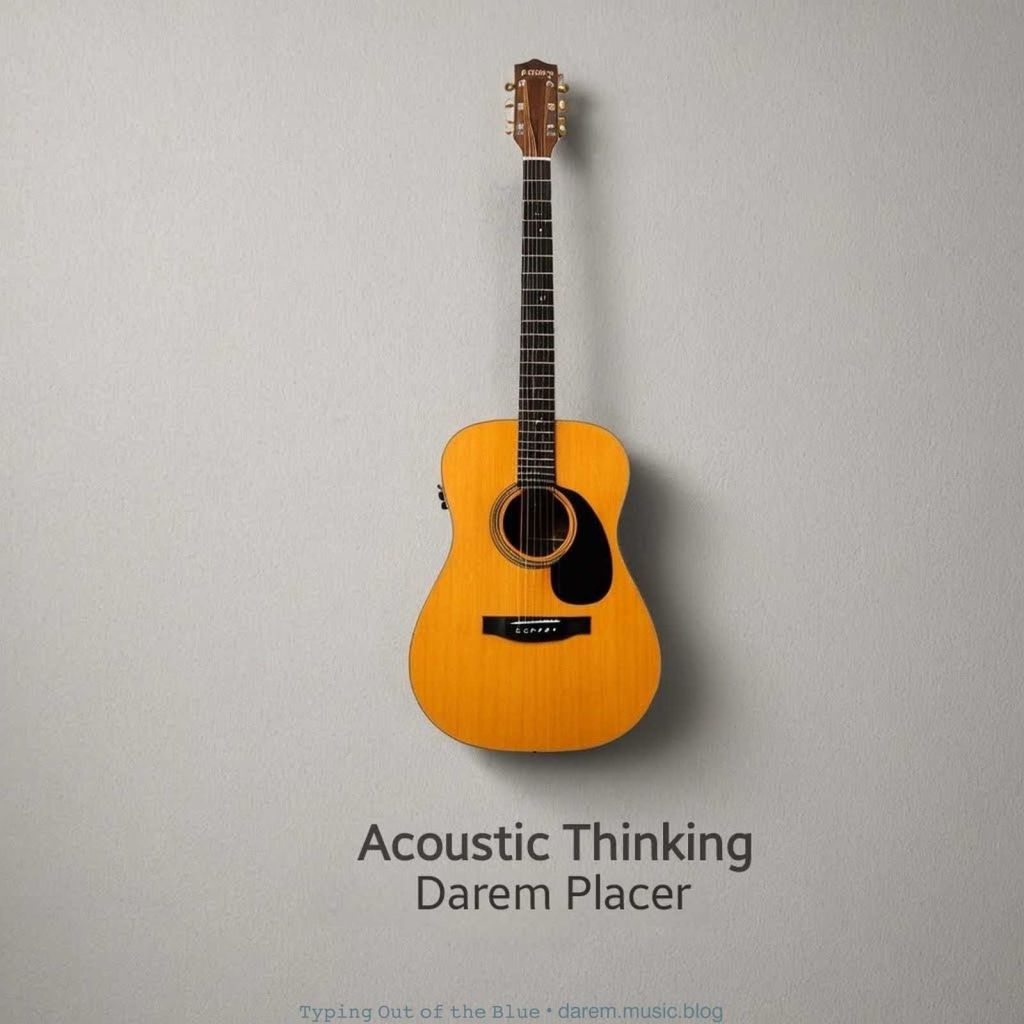
Pause Between Breaths • Darem Placer

Listen to Acoustic Thinking on Apple Music and Apple Music Classical

Acoustic Thinking includes Pause Between Breaths